 In Sanskrit `Samhita` means `to put together`. Samhitas or Sanhitas or mantras are the basic texts containing hymns of prayer and worship of the Vedic deities who represented natural forces and phenomena. These hymns were sung at times of worship and Yajna, giving rise to the rites of the early Vedic period.
Vedic chants or Samhitas are the oral tradition of the Vedas. They consist of several pathas, `recitations` or ways of chanting the Vedic mantras. Vedic chants are considered the earliest unbroken oral tradition in existence, the fixation of the samhita texts as preserved dating to roughly the time of Homer or the Early Iron Age.
There are many Post-Vedic texts which are also known as Samhitas. They are Gherand Samhita, Charak Samhita, Kashyap Samhita, Ashtavakra Samhita, Bhrigu Samhita, Yogayajnavalkya Samhita, Brahma Samhita, Garga Samhita and Deva Samhita.
The Gherand Samhita is one of the three classic texts of hatha yoga. The Charak Samhita is the text on ancient art and science of Ayurveda contains 120 adhyayas or chapters and divided into eight parts. The Kashyapa Samhita known as Braddha Jivakiya Tantra is an essential treatise on Ayurveda medicine written in ancient India by the sage Kashyapa. Then is the Ashtavakra Samhita which is an Advaita Vedanta scripture, the dialogue between the Perfect Master Ashtavakra and Janaka, the King of Mithila.
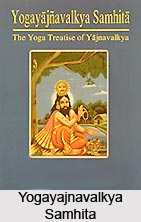
The Bhrigu Samhita is an astrological classic accredited to Maharishi Bhrigu during the Vedic period. The Yogayajnavalkya Samhita is a classical treatise on Yoga attributed to Yajnavalkya and is a dialogue between Yajnavalkya and his wife Gargi. The Brahma Samhita is a Sanskrit Pancaratra text, comprised of verses of prayer spoken by Brahma to Govinda or Krishna at the beginning of creation. The Garga Samhita is a book written by the sage Garga and deals with the life of Krishna. The last is the Deva Samhita that is a collection of Sanskrit hymns by Gorakh Sinha during the early medieval period. The Deva Samhita is a discussion between Shiva and Parvati expressed in slokas or verses.