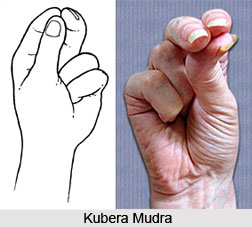
"When inhalation and exhalation are performed very quickly, like a pair of bellows of a blacksmith, it dries up all the disorders from the excess of phlegm, and is known as Kapala Bhati.", says the Hatha Yoga Pradipika.
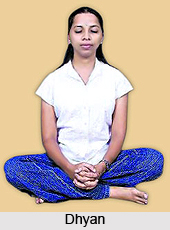
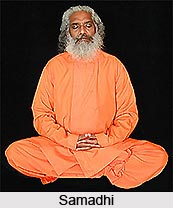
Spreading out comfortable ` Asana` (sitting material like blanket, kusha, deer skin or towel), sit in Padmasana, Svastikasana, or in any comfortable posture. While doing Kapalabhati, there is a chance of shakening the body with jerk hence sit firmly. As the bellows of blacksmith draws air in or leaves air out with sound , so we have to practice inhaling through nostrils and exhaling forcibly soon, keeping our mouth closed. The navel region is drawn in during each exhalation and bulged out at the time of inhalation. This is to be practiced repeatedly, rightly and rapidly. Here exhalation is given prominence, inhalation takes place automatically.
b
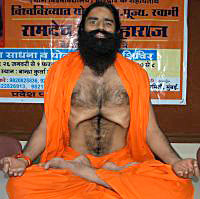 Steps for Practice KapalaBhati:
1. Sit erect in any Asana (Padmasana, Samasana, or in any comfortable Asanas) spreading out some sitting material.
2. Put both hands on respective knees.
3. Exhale forcibly through both the nostrils. Simultaneously abdomen will be drawn in.
4. Soon after completing exhalation with jerk, take the breath in and bring the abdomen in previous position.
Benefits of KapalaBhati
1. This is very useful in asthma, cold and constipation.
2. Liver and spleen are made strong and efficient through its practice.
3. This makes respiratory rhythm constant.
Precautions during KapalaBhati
1. Remain composed while exhaling.
2. Those having throat infection, should exhale air touching it to the nostrils.
3. Those having too much sneezing tendency, should practice it with contracted glottis producing sound as in Ujjayi.
4. Those suffering from diabetes should not practice it.
5. Those having complaint of ulcer or bile in abdomen should not practice it.