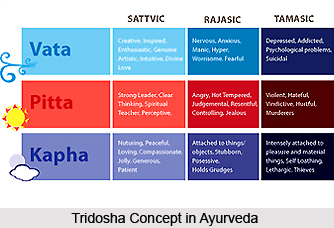
 Pitta Dosha is one of the Tridoshas which is made up of the elements fire and water. It is responsible for thirst, digestion, hunger, heat regulation, vision, softness and lustre, intellect, cheerfulness and sexual vigour. In short, this dosha governs all changes taking place in the physiology, from the digestion of food to the regulation of feelings, emotions and sensory perceptions.
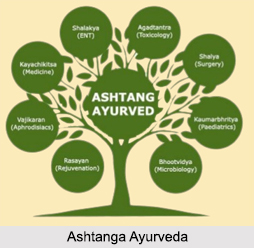
According to Ashtanga Ayurveda, the site of existence of pitta is between the naval line and the "epigastrum" line. Ashtanga Ayurveda talks about the three bodily humours or doshas - vata, pitta and kapha, which determine the body"s physical and mental functions. For a healthy, vital and well-protected body, a balanced condition of the three doshas is mandatory. These doshas are in fact derived from the five components, namely space, air, fire, water and earth, which are collectively termed as the Pancha Mahabhutas. Each dosha combines any two of the five Bhutas and out of these two, one dominates.
Characteristics of Pitta Dosha
The Charaka Samhita, a well known Ayurvedic text, defines the characteristics of Pitta dosha in the following way: hot and a little sycophantic (sahasnehamushnam), liquid and acidic (dravamlam), sharp, burning (tikshnam), always flowing in an unbounded manner (saram); pungent and sharp (katuhu). People of pitta personality tend to be of medium proportions and frame. They possess warm skin that is very fair or glowing and may be sensitive. Their fine hair may show signs of premature greying or thinning. These people are intelligent and strong-minded in thought, speech and action. They show signs of purpose and ambition in each step as well as intensity in their voice whenever they speak. They are moderate sleepers and like to stay in cooler environments. Balanced pitta is specifically characterized by self-confidence and entrepreneurship.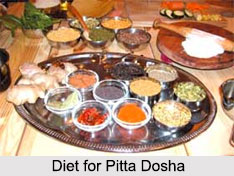
Types of Pitta Dosha
There are five types of pitta, each having its own specific area of activity. These types are pachak pitta, ranjak pitta, sadhak pitta, alochak pitta and bhrajak pitta.
•Pachak Pitta: This enables digestion and metabolism and is found in the duodenum and the intestines, those locations where the main process of digestion (breakdown and conversion) takes place. Apart from digestion, this pitta administers the formation of all other types of pitta in the body. Since formation of body structures and synthesis of energy occur as a result of proper digestion and metabolism, pachak pitta is essential for the maintenance of normal bodily activities.
•Ranjak Pitta: This originates in the liver and determines to a certain extant the colour and odour of blood, urine, faecal matter and other substances. Changes in the colour of these substances indicate improper functioning of ranjak pitta and suggest disturbances in the liver.
•Sadhak Pitta: This is present in the heart area and governs most mental and physical activities. Since this pitta promotes concentration, good will, good work, courage, capability, sharpness, intelligence, positive thoughts and energy, it plays a major role in the achievement of life goals.
•Alochak Pitta: This is present in the eyes and at the point between the eyebrows, which is often referred to as the spiritual "third eye". This pitta converts the reflection of an item on the retina into an image and thus enables one to see.
•Bhrajak Pitta: This provides the skin tissue by giving it colour, shine and quality. It helps in the regulation of body temperature through sweating.
Remedies for Pitta Dosha
Food with bitter, sweet and astringent tastes find favour with the pitta constitution. An excessive intake of hot, spicy or sour foods, fermented, fried, oily, stale and "fast foods"; artificial colourings and flavourings, sour or unripe fruits and alcoholic drinks, hamper the normal pitta constitution of the body. Prolonged exposure to the sun, experiencing hot weather, indoor heat, chemicals, corrosives and undergoing strenuous exercises augment the constitution of pitta. In addition, an excess of normal human impulses such as mental tensions, fighting, fasting, cruelty, jealousy, competition and greed can cause a misbalance in the pitta.
Thus a person in whom pitta dominates, Ashtanga Ayurveda suggests proper diet and various Yoga therapies. If the pitta is well balanced, the digestive system functions properly thus ensuring proper metabolism.