Introduction
 English theatre is an age old custom in India, which made its presence felt on a serious level right from the Vedic Period. Amidst the Vedic literature, rituals and ethnicities, English theatre flourished tremendously. India as a nation is very comfortable in illustrating her mood through art and drama - Indian theatre has proved the same in many occasions. Illustration of moods through, natya, lasya and mudra have been rampant in Indian drama. Slowly, as a result, a typical and distinct style of dramaturgy actually evolved to promote Indian tradition, rituals, customs and ethnicity. Since then, which was just the beginning, there was no looking back. Both theatre in ancient India and modern Indian theatre have worked towards glorifying the culture of India and to provide a naturalistic and realistic viewpoint of the socio economic and political scenario of the country. With the establishment of English theatre, very slowly the old concept of Sanskrit theatre started to fade away. Dramas were no longer the narrative forms, with heroes and celestial beings. But it became a true representation of the "unedited realisms" of Indian social life. Bengali theatre, Marathi theatre, Kannada theatre along with the innovativeness of the English theatre, therefore, added a fresh dimension to the artistry of Indian Theatre. The introduction of the artistic quality through the English theatre in India added that contemporary dimension to Indian drama.
Origin of English Theatre in India
Modish aspect in Indian drama was first sown during the British Empire in India, as then, Indian drama stood apart as the weapon of protest against the British Raj. It is then; English theatre in India made its presence felt quite enormously as a portrayal of the realisms of daily life. The contemporaneousness of the varied facets of the English theatre in India for the very first time then aided in illustrating the finer aspects of life teamed with the regular instances of the poverty, sufferings and agony of the common people. English theatres mainly initiated in different European countries and evolved in diverse stages; however in India English theatre arrived in the later part of the 17th century with the arrival of the "British East India Company". British colonialism then did play the major role in changing the Indian dramaturgy whilst making it lot more chic.
English theatre in India gained a dimension with the establishment of the three Presidency Towns by the British. Kolkata, Mumbai and Chennai therefore became the three-metropolis in exemplifying the true aura of contemporary art forms through the grace of English theatre. These cities then had the typical urban middle class audiences, which again helped in the thriving prosperity of the English theatre. The success of the English drama in India was then, not based on the sale of the tickets but was grounded on the support and patronage of the affluent class and the theatres were then an emblematic representation of the European ways of life. The colonial aspects, British Imperialism coupled with the tuneful harmonization of the Eastern and Western philosophy then crafted a marked change in the story line and in the dramatic art whilst making English drama in India a true representation of the British culture, ways of life and of course a depiction of the British exploitations.
English Playwrights from India
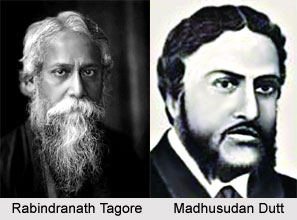
Step by step, chief Indian dramatist emerged, who were fluent and confident in English Language. Although Madhusudan Dutt and Rabindranath Tagore wrote in Bengali language and contributed greatly to Bengali literature, they translated many of their plays into English. Rabindranath Tagore as a dramatist contributed greatly to English theatre.
 Various Indian who went to England to study during that time, started to perform at various stages of theatre, as amateurs. Niranjan Pal son of the nationalist leader Bipin Chandra Pal, started the Indian Players in London, producing his own scripts like The Goddess (1924), revived in Kolkata after he returned in 1929.
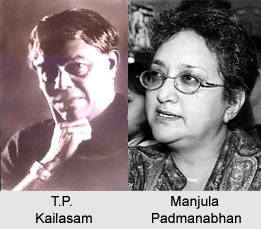
T.P. Kailasam, another bilingual author, who lived six years in England, applied his two languages discretely. He composed Shakespearean-style English theatre on the Mahabharata, but used spoken phrases and idiom for his Kannada theatre plays on contemporary topics. He also recited his works extempore, and the stage directions in his six English plays (including The Purpose, 1944; Kama, 1946; Keechaka, 1949) reveal a strong theatrical sense unlike many closet English playwright and dramatist in India. Among the latter, who used the form more to tell a story through dialogue than as theatrical offerings, Sri Aurobindo Ghose (1872-1950) and Harindranath Chattopadhyaya (1898-1990) left a large dramatic corpus chiefly on mythical or religious subjects.
English Theatre Personalities in India
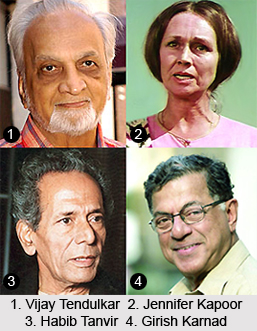
The nature of the English drama in India again changed with the independence of India. It was then not only a representation of the European lifestyle but a lot more. English drama then became a typical art form in epitomizing the socio- political and economic status of Independent India. The rich chronicle of Indian drama, the colossal history of Indian Natya then witnessed a marked change with the advent of the eminent theatre personalities like Habib Tanvir, K.N. Pannikar, Girish Karnad, Vijay Tendulkar, and many others who further carried English drama in India to the further step of maturity. English drama in India, which was once just the illustration of British mistreatment, then gained a further up to date projection as the theatre personalities then tried to highlight Indian tradition, folklore, custom, rituals, conventions, and rites amidst the innovativeness of English drama. Other dramatists with substantial output include the poet Nissim Ezekiel (1924-2004), Dina Mehta and Manjula Padmanabhan. The saga of English theatre, which began long back during the British Imperialism, continued further and is still an eminent part of various forms of theatre in India. Continuous study, deep understanding and above all the tuneful blend of the west and East have helped English drama in India as a distinct art form whilst aiding it to stand apart with pride and dignity.
English Theatre Companies in India
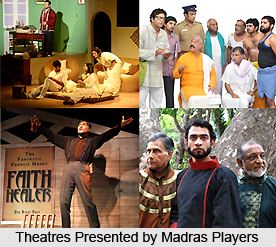
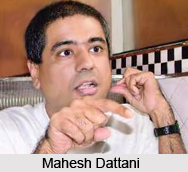
Among the various English-language troupes, the Theatre Group (Mumbai), led by the first major Indian director in English, Ebrahim Alkazi and later by Padamsee, is the most long-lived and accomplished. It staged original plays by Gieve Patel and Gurcharan Das, whose dance-drama Mira had premiered at La Mama, off-off-Broadway in 1970; and the freshest and most promising Indian-English dramatist, Mahesh Dattani. The Madras Players, who produced Girish Karnad`s self-translated plays and held a competition for new scripts jointly with the daily The Hindu, and Delhi`s Yatrik also encouraged innovative playwriting, a strategy followed in current years by Lillete Dubey`s Prime Time Theatre.
The annual Deccan Herald theatre festival in Bengaluru gave a boost to English drama by such local authors as Dattani and Poile Sengupta. The Sahitya Akademi Award to Dattani for `Final Solutions` and Other Plays (1994) finally gave Indian-English drama respectability.
A commercial or main stream English-language stage became a reality in Mumbai after Adi Marzban directed his comedy Ah! Norman (1972, adapted from Norman, Is That You? by Ron Clark and Sam Bobrick), a milestone hit logging up hundreds of performances.
Development of English Theatre
 Development of English theatre in India came through the hand of British rule in India. Various playhouses in Kolkata said to have received tremendous help from English actor manager David Garrick who came to India in the year 1753. The Bombay Theatre was modelled after the London`s Drury Lane, and dates back to 1776. Some of the inhabitants also staged amateur performances at popular halls plays by Shakespeare and Congreve, later Goldsmith and Sheridan. Very soon it became a frequent practise for individuals and companies from England, travelling to other nations like New Zealand and Australia, to present shows during halts in Kolkata or Mumbai for expatriate community.
In the year 1835, even before Macaulay declared English language the medium for education for selected Indians, the Rev. Krishna Mohan Banerjee (1813-85) wrote the first play in English by an Indian: The Persecuted,, or Dramatic Scenes Illustrative of the Present State of Hindoo Society in Kolkata (1831)-a dramatized debate on the conflict between orthodox Hindu custom and new Western ideas. Local students, under the new system, predictably looked to English Literature for inspiration. Study of Shakespeare led to a spurt not only of translations and emulations of his work in the Indian languages, but also staging in English of scenes and, often, full plays by Shakespeare particularly among Indian collegians.
As only men had the privilege of going to school and colleges and attaining education, they too played the roles of women in theatres. British and Indian rarely participated in the same production. Some of the prominent faces of Bengal literature fraternity like Rabindranath Tagore and Madhusudan Dutt contributed in English plays as well. There was another bilingual author named T.P. Kailasam (1884-1946), who lived for some years in England, and applied his two languages discretely. And there were also people who used the English language form to merely tell the story through dialogue than as theatrical offerings. Aurobindo Ghose (1872-1950) and Harindranath Chattopadhyaya (1898-1990) left a large theatrical body chiefly on religious or mythical subjects.
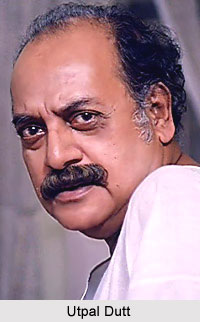
 After independence of India in 1947, there were around 200 plays that were written, though most of them are not performed and many not performable. Due to lack of stage opportunities, the writers were deprived of practical knowledge of learning the art. During the 1950s Shakespearean plays became quite significant role, led by Geoffrey and Laura Kendal whose productions of Shakespearean and other classics barnstorming through Indian cities and towns influenced potential and young theatre enthusiasts like Utpal Dutt.
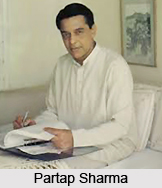
During the 1960s the socio-political work of Asif Currimbhoy (1928-94) brought passion, power and complexity to original Indian-English Theatre in at least twelve significant plays on topical matters, but offended conservatives and traditionalists that led to a complete ban on The Doldrummers (1961). Somewhat similar luck befell on "A Touch of Brightness (1965), set in a Mumbai brothels by Partap Sharma, who has written four other plays.
A space for commercial English language theatre became possibility and reality in Mumbai after Adi Marzban (1914-87) directed his comedy Ah! Norman (1972, adapted from Norman, Is That You? by Ron Clark and Sam Bobrick), a landmark hit leading to hundreds of performances.
The audiences for English theatre mainly consist of people from elite classes from metropolitan cities. Indian people have, somewhat, accepted English as their Indian tongue, but nowhere in India, apart from Delhi and Mumbai, is English theatre viable commercially. Amateur theatre groups, as it stands in present conditions, still rely largely on a Western repertoire to lure theatregoers.
Playwrights in English Theatre
 Playwrights in English theatre have contributed greatly to the success and popularity of various genres of theatres in India. The introduction of English theatre in India happened through the hands of British. Slowly, important and significant Indian dramatists with proficiency in English language came to the fore. The development of English theatre helped in a major way for playwrights in English theatre to flourish.
Playwrights like Michael Madhusudan Dutt and Rabindranath Tagore made a great contribution to the English theatre. Though they were primarily writers, thinkers and pioneers of Bengali plays, but they translated many of their own works into English. Rabindranath Tagore as a Dramatist has made huge impact in the theatre society in west Bengal. In many cases Indian who set out to England for studies began to perform there in English, as, as amateur artists. Niranjan Pal (1889-1959), the son of great Bipin Chandra Pal, kick-started the Indian theatres in London, and even produced his own scripts like The Goddess (1924), revived in Kolkata in 1929, after his return.
Apart from these, there were other bilingual writers or authors who made contribution towards English theatres in India. T.P. Kailasam (1884-1946), spent six years in London and discretely used two languages he knew - Kannada Language and English Language. He even composed Shakespearean-style English drama on the Mahabharata, but used spoken idiom for his Kannada plays on contemporary themes. Unlike many closet English dramatists in India, T.P. Kailasam, indulged in recitation of his work, scenography and direction of his own plays (he wrote six plays in English). Other writers like Sri Aurobindo (1872-1950) and Harindranath Chattopadhyaya (1898-1990) dealt with religious or mystical subjects.
After India attained independence, there were around 200 plays that were written, though most of them were unperformed and some not even performable. Due to lack of stage opportunities actors and artists lacked the practical idea of the craft. During 1950s, some venom was injected into the English language theatre by Geoffrey and Laura Kendal, who mainly dealt with classics from Shakespeare. A decade after that, in 1960s, works of Asif Currimbhoy (1928-94) brought passion, power and complexity to original Indian-English drama in at least a dozen important plays on topical matters, but offended conservatives, which led to a ban on The Doldrummers (1961).
There were many drama troupes that came up in Mumbai during 1920s that staged original plays. The Mumbai Theatre Group was mainly led by Ebrahim Alkazi and later by Padamsee. It staged original plays by Gieve Patel and Gurcharan Das whose dance-drama Mira had premiered at La Mama, off-off-Broadway in 1970; and the freshest and most promising Indian-English dramatist, Mahesh Dattani.
Some of the important dramatists with significant output include poet Nissim Ezekiel (1924-2004), whose five plays show the effect of working with his mentor - Alkazi, in the Theatre Group; Dina Mehta, who won a worldwide BBC radio drama competition for Brides Are Not for Burning (1979), on dowry-related bride-burning; the prolific Madras-based Leo Fredericks, specializing in television drama with often exotic situations; and Manjula Padmanabhan from Delhi, who has written highly provocative scripts on social mores, such as Harvest, awarded the international Onassis Prize in 1997.
English theatre attained a commercial status in Mumbai, after Adi Marzban (1914-87) directed his comedy Ah! Norman (1972, adapted from Norman, Is That You? by Ron Clark and Sam Bobrick), a highlight hit sorting up hundreds of performances.