Established in the year 1986, the Nilgiri Biosphere Reserve is located at the foothills of the famous Nilgiri Hills at the meeting point of the Western Ghats sharing boundaries with Tamil Nadu in South India. Spreading over an area of 5, 520 sq. km, the Niligiri Biosphere Reserve has many other national parks as well as two wildlife sanctuaries. The 6 national parks in the Reserve are the Aralam, Mudumalai, Mukurthi, Nagarhole, Bandipur and Silent Valley, while the Wayanad and Sathyamangalam are the two famous wildlife sanctuaries of the Niligiri Biosphere Reserve.
Overview of Nilgiri Biosphere Reserve
The Nilgiri Biosphere Reserve was under the Man and Biosphere Programme by UNESCO in September 1986. This Reserve is known to be India"s first and foremost biosphere reserves with a heritage, rich in flora and fauna. Tribal groups like the Todas, Kotas, Irullas, Kurumbas, Paniyans, Adiyans, Edanadan Chettis, Allar, Malayan, etc., are native to the Reserve.
 Climate of Nilgiri Biosphere Reserve
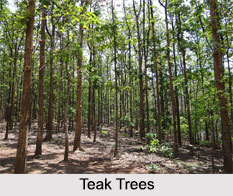
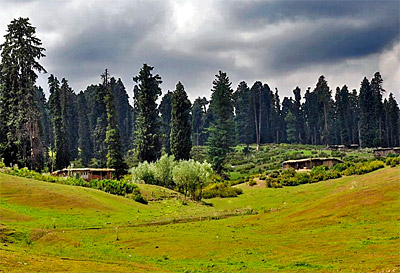
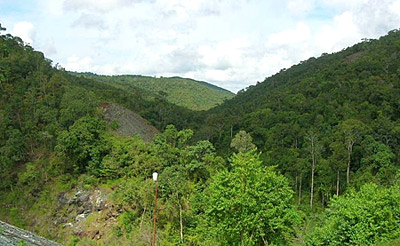
The area of the Nilgiri Biosphere Reserve extends from the tropical moist forests of the windward western slopes of the Western Ghats to the tropical dry forests on the leeward east slopes. The annual rainfall in this reserve ranges from 500 mm to 7000 mm per year and its temperature ranges from 0 degree Celsius during winter to 41 degree Celsius during summer. The Nilgiri Biosphere Reserve comes under the bio-geographic region of the Malabar rain forest. It also encompasses 3 eco regions, like the South Western Ghats moist deciduous forests, the South Western Ghats montane rain forests, and the South Deccan Plateau dry deciduous forests. The main habitat types found in this reserve include montane rain forest, semi-evergreen moist forest, thorn forest and scrub, montane grassland and high-elevation Shola forests.
Flora and Fauna of Nilgiri Biosphere Reserve
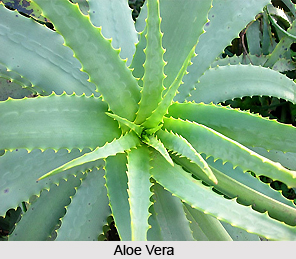
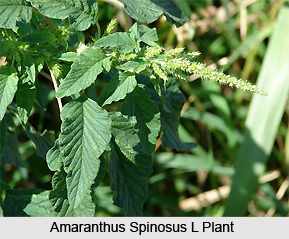
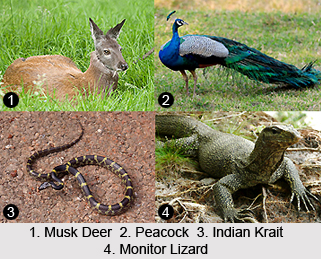
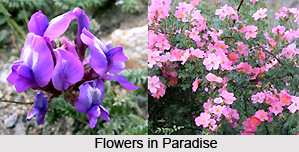
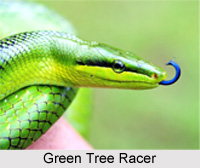
The Nilgiri Biosphere Reserve is rich in flora and fauna, with over 100 species of mammals, 350 species of birds, 80 species of reptiles, about 39 species of fish, 31 amphibians and 316 species of butterflies. The Nilgiri Biosphere Reserve has the largest population of 2 endangered species- lion tailed macaque and nilgiri tahr, other species of mammals includes the Bengal tiger, Indian leopard, gaur, Indian elephant, mongoose, Malabar giant squirrel, nilgiri langur and grey langur. With a rich diverse flora, the Nilgiri Biosphere Reserve has about 3,300 species of flowering plants out of which 133 are endemic to the reserve.
Visiting Information on Nilgiri Biosphere Reserve
The nearest railway station to the Nilgiri Biosphere Reserve is the Tamil Nadu station at a distance of 57 km and the Calicut International Airport is the closest at a distance of 133 km from the Reserve.