


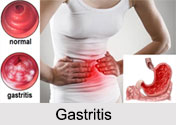
 Gastritis is a common stomach problem among humans. It is actually inflammation of the stomach that may eventually give rise to many life-threatening complications, if not treated in time. Gastritis is not a single disease and the term is actually used to describe a group of conditions characterised by inflammation of the lining of the stomach. Gastritis is caused due to many reasons, can be identified through various signs and symptoms and is treated following different medicinal methods. Gastritis is a common stomach problem among humans. It is actually inflammation of the stomach that may eventually give rise to many life-threatening complications, if not treated in time. Gastritis is not a single disease and the term is actually used to describe a group of conditions characterised by inflammation of the lining of the stomach. Gastritis is caused due to many reasons, can be identified through various signs and symptoms and is treated following different medicinal methods.
Types of Gastritis There are two types of Gastritis namely; acute gastritis and chronic gastritis and they represent a critical and persistent condition of the disease, respectively. Acute gastritis may occur suddenly and may involve bleeding of the stomach mucosa. This is mainly caused due to damage to the tissue caused by the stomach's own acid and the bleeding normally lasts not more than 24 hours. The bacteria Helicobacter pylori are the main cause behind 90 percent of cases of acute gastritis. On the other hand, chronic gastritis involves a long-term inflammation of the mucosal lining of the stomach. Generally, the older people tend to suffer more frequently with chronic gastritis and this inflammatory condition of the upper digestive system can last for years. Among several possible causes, the Helicobacter pylori bacteria are found in 90 percent of all patients suffering from chronic gastritis. Causes of Gastritis The inflammation of gastritis usually results from infection with the same bacterium that causes most stomach ulcers. There are several factors that contribute to the development of gastritis. The most common causes of gastritis include poor or imbalanced diet; a weakening of the immune system brought about by smoking or alcohol abuse; lasting and unresolved stress; etc. It is found that stress creates the ideal conditions for gastritis. Traumatic injury and regular use of certain pain relievers can also contribute to gastritis. Apart from these, major surgery, burns, severe infections, infection with bacteria, certain diseases like pernicious anaemia, chronic bile reflux, and certain autoimmune disorders, etc. are also considered probable causes of gastritis. 
Symptom of Gastritis Gastritis can be identified through various signs and symptoms. The most common symptom of gastritis is abdominal upset or pain. A pain or discomfort in the upper part of the abdomen is sometimes called Dyspepsia. The other symptoms of gastritis include a pain in the centre of the chest, loss of appetite, nausea, vomiting, indigestion, abdominal bloating, etc. Sometimes a person suffering from gastritis may have a feeling of fullness or burning in the upper abdomen as well. Diagnosis of Gastritis Gastritis can be diagnosed through the urea breath test, Gastroscopy or Endoscopy, blood test, complete blood count test, a stool test, a biopsy of the gastric lining, etc. Sometimes, the physicians assess the clinical history of the patient for diagnosing gastritis. Treatment of Gastritis Various alternative medicinal methods are applied for treatment of Gastritis. The traditional medicines like Ayurveda, Homoeopathy, Naturopathy, etc. are used quite frequently for curing gastritis. Apart from these, different home remedies like water treatments and dietary restrictions are also used for treatment of gastritis. Gastritis is sometimes considered as a pre-condition for other severe health disorders like Peptic Ulcer disease or cancer. However, taking preventive actions like reducing alcohol consumption, avoiding hot or spicy foods or foods that trigger attacks, quit smoking, avoiding prolonged use of Non-Steroidal Anti-Inflammatory Drugs (NSAIDs), etc. can help a person to stay away from Gastritis. |
| |||



Gastritis
| Gastritis is a group of diseases that cause inflammation of the lining of the stomach. It can be prevented by avoiding certain drugs, foods mentioned above and modifying the diet. |
| ||||||||||||||||||||||||||||

