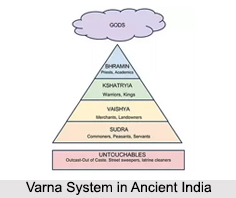
 Varna System in Ancient India was based on occupation, but with time it turned to a rigid caste system. "Varna" literally means group in Sanskrit. With the advent of the Aryans, the ancient Indian society got divided into four sections - Brahmin, Kshatriya, Vaishya, and Sudra. In Hinduism, the Varna System was based on class, colour, guna, and yoga.
The first 3 Varna is called twice born. It implies that they have come of age and are eligible to study Sanskrit and the Vedas and perform Vedic rituals. The thread ceremony marks the second birth among the Indian male. For girls it is during their marriage that a thread is tied round their hands to mark the second birth. Besides Hindus, this custom is also prevalent with the Jains.
Etymology of Varna
“Varna†is a Sanskrit word derived from the term “vr†which mean to cover or envelop. It also denotes classification or choosing something. “Varna†as a word first appeared in Rig veda to represent or distinguish physical appearance, character, complexion, shape, or size. In ancient Hindu epics, the word meant colour, race, tribe, or any species. “Varna system†as caste or social classes was first referred in Manusmriti.
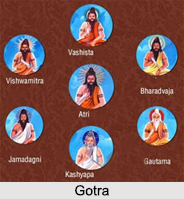
Theoretical classification of Varna system describes the concept as Jati or groups which is further divided into two categories. These include endogamous groups and exogamous groups. While endogamous groups prefer marrying within the same community or varna, exogamous groups are more liberal about social groups and identifies varna based on gotras. Gotra is denotes lineage of a person.
Historical Evidences of Varna System
Varna System has been referred to many ways in ancient Indian texts like epics, Vedas, and also in religious texts apart from Hindu scriptures. Below are some excerpt and details provided about the mention of “Varna†system in ancient texts.
Mahabharata: The reference to the Varna System can be traced back to the religious texts of the land. In Mahabharata (Anushasana Parva, Chapter 163) it is said: "O Devi, if even a Sudra is actually engaged in the occupation andhas pure behaviour of a Brahmana, he becomes a Brahmana. Moreover, a Vaishya can become a Kshatriya. Therefore, neither the source of one"s birth, nor his reformation, nor his education is the criterion of a Brahmana. The vritti, or occupation, is the real standard by which one is known as a Brahmana". So it is not birth but one"s karma that decided his class.
In Bhagavata Gita, varna system is based on the qualities, profession, and duties of the people in the society. A quote from the Hindu scripture reads: “Of Brahmanas and Kshatriyas and Vaishyas, as also of Sudras, O scorcher of foes, the duties are distributed according to the Gunas born of their own nature.â€
Vedas: According to Rig Veda, the creator of the 4 groups is Lord Brahma. Each Varna sprang from the different body parts of the Lord. Brahmins originate from His mouth and they looked after the spiritual needs of the society. They were, thus, the learned men who could guide those who ruled the society. The Kshatriyas evolved from the arms and were the warrior class or the ruling class. The Vaishyas originated from the thighs and are comprised of the merchants, artisans and craftsmen. The Sudras developed from His feet and they formed the base of the ancient Indian society. Peasants, cobblers, servants and others came from this section of the community. The Varna system was, thus, merely based on occupations.
Dharmasastras: These shastras divided the society into four varnas namely Brahmin, kshatriya, Vaishayas, and Shundras. According to Dharmasastras, the unrighteous people or those who earn a living by unethical way will not be counted under any varna in the society.
Upanishads: Mention of Varna system has been found in Chandogya Upanishad where varnas or classes in society are classified on the basis of a person"s birth. This is believed that the birth of an individual depends on the karma of this past time which eventually decides his varna in the present life. A difference to this belief has been stated in Vajrasuchi Upanishad which reveals ht that the birth of a Brahmin is based on knowledge of spirituality and not on his karma in the previous birth.
Varna System in Ancient Religious Texts
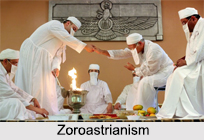
Varna system was mentioned in several ancient Buddhist texts in south Asia but according to details it was flexible and not imposed rigidly on the society. Adi Purana, an 8th-century text of Jainism written by Jinasena, mention Varna or Jati which is considered to be one of the earliest mentions of the words. The origin of this text and its concept of Varna system are not related to Rigveda but to the Bharata legend.
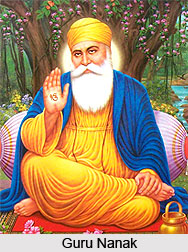
Varna system also found its mention in Sikhism that originated in late 15th-century. Sikh literature during the period of 18th to 20th century, mentions Varna as Varan to denote Zat or Zat-biradari. At that time, Zat reflected the endogamous occupational groups.
Classification of the Varna System in Ancient India
Indian Varna System was primarily divided into four main sections:
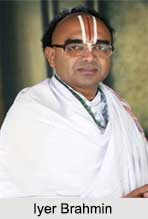
Brahmin: At the top of the social hierarchy were the Brahmins. The sages of Indian culture are all Brahmins. Besides, they were wise men who imparted knowledge and wisdom to the society. They were highly respected in the ancient Indian society. They were the advisors in the royal courts. In the post Vedic Age, they became oppressive and exploited and misguided the society.
2. Kshatriya: The warrior or the ruling class ranked second in the Varna System. They were the protectors of the society. The Kshatriyas were depicted as gallant, courageous and intelligent. They were the true patriots.
3. Vaishya: This was the merchant class. They were the moneyed class and contributed a great deal in the economic growth of the nation. The Vaishyas were also responsible for introducing Indian culture to the other nations. The Brahmins kept them in good humour as Vaishya community constructed temples and other buildings for social cause.
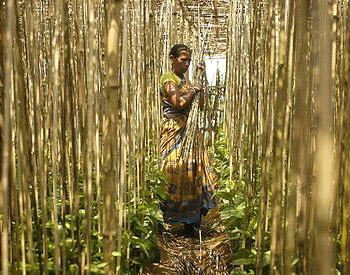
4. Sudra: Though they were looked down as "Dasas" and "Dashyus", yet they are not discriminated. In the post Vedic ages there evolved a new section of Sudras known as the "Untouchables". They were social outcasts because they could not belong to any caste and did menial jobs. They were denied to take entry into the mainstream.
The definition of the Varna System of the later Vedic Period underwent a huge change with time. The class system gave way to caste system. The caste of an individual was decided by his birth. Hence, a rigid one replaced the flexible Varna system. The caste system in ancient India divided the masses and brought in inequality and suppression.