
 Tulsidas is regarded to be one of the most celebrated representatives of the Bhakti school of Hinduism. He (1574-1577) composed `Ramcharitmanas`, which is an authority on Hindu religion and till date an essential treatise in Hindu rituals. One of the best poets ever to have graced Bharat, his verses were written in Hindi language and accessible to everyone. Tulsidas was a great poet, philosopher, saint and, more importantly, the devotee of Lord Rama.
Tulsidas - Indian Poet-Saint
Tulsidas was an Indian poet-saint. He was believed to be the incarnation of sage Valmiki. He is best known for composing the epic Ramcharitmanas.
Introduction
Tulsidas is regarded to be one of the most celebrated representatives of the Bhakti school of Hinduism. He (1574-1577) composed `Ramcharitmanas`, which is an authority on Hindu religion and till date an essential treatise in Hindu rituals. One of the best poets ever to have graced Bharat, his verses were written in Hindi language and accessible to everyone. Tulsidas was a great poet, philosopher, saint and, more importantly, the devotee of Lord Rama.Early Life Of Tulsidas
There shrouds a smoke of controversy dealing with his year of birth. Some say that the year is 1532 while others opine it is 1588. But there is no disagreement regarding his birth place. It is Rajpura at present which is known as Uttar Pradesh. At the time of birth he was named Rambola as it is believed that he uttered the name of Lord Rama at the time of birth. He suffered the pangs of separation from his parents at a very young age and was even abandoned by his relatives. He came into contact with some saints who advised him to surrender to Lord Rama. As time grew on, Tulsi`s love for Rama grew deeper and deeper.
Literary Works of Tulsidas
Tulsidas began his literary works in 1574. He penned down some works of great literary merit, but his greatest work is Ramcharitmanas which occupies a couple of beautiful numbers called `chaupai` completely devoted to Lord Rama. Many verses of Ramcharitmanas are very popular proverbs and have passed into common speech, and are used by millions of Hindi speaker.
 Besides Ramcharitmanas, Tulsidas wrote five longer and six shorter works, most of which deal with the theme of Rama, his doings, and devotion to him. Other great literary masterpieces composed by Tulsidas include the Dohavali, the Kavitavali, the Gitavali, the Krishnavali, the Vinay Patrika, and the much revered poem praising the Lord Hanuman, the Hanuman Chalisa. In fact the dohas of Tulsidas are popular even today and are even part of the curriculum in various parts of India.
His minor compositions comprise Vairagya Sandipani, Baravai Ramayana, Janaki Mangal, Ramalala Nahachhu, Parvati Mangal, and Sankata Mochana. His entire collection of compositions, consisting of 13 books, has been translated into English (as poems) by Binda Prasad Khattri (1898-1985).
Tulsi was a personification of humanity. Tulsidas also appreciated the diverse tenets of Shaiva, advaita and Samkhya Philosophy. He authored 22 different works. In Kashi, he became the head of the monastery in lolarka kunda and was designated "Gosain."
 Literary works of Tulsidas are traced back to year 1574. He wrote twelve books. All of his writings are worthy to read. But among all his literary compositions Ramcharitmanas is most acknowledged. It is considered to be written under the guidance of Lord Hanuman. Most of his writings deal with the life of Lord Rama, his doings and the author`s to him. Besides Ramcharitmanas, his other notable works include Vinaya Patrika, Hanuman Chalisa, the Dohavali, the Kavitavali, the Gitavali and the Krishnavali.
Ramcharitmanas
It is the most long and earliest work of Tulsidas. `Ramcharitmanas` literary means `The Holy Lake of Acts of Lord Rama`. It is written in Awadhi language. Tulsidas to compose this work drew sources from Ramayana of Valmiki, the Adhyatma Ramayana, the Prasannaraghava and Hanuman Nataka. Ramcharitamanas occupies a couple of beautiful numbers called `chaupai` completely devoted to Lord Rama separated by Doha. This long epic includes around 12,800 lines divided into 1073 stanzas. It is divided into seven books or kandas. Ten Sanskrit metres and eight Prakrit metres are used in the composition of the epic. They are Anushtup, Shardulvikridit, Vasantatilaka, Vamshashta, Upajati, Pramanika, Malini, Sragdhara, Rathoddhata and Bhujangaprayata, Soratha, Doha, Chaupai, Harigitika, Tribhangi, Chaupaiya, Trotaka and Tomara.
The first two books of Ramcharitmanas are titled Bala kanda and Ayodhya kanda that make up more than half of the work. The remaining five books are Aranya kanda, Kishkindha kanda, Sundara kanda, Lanka kanda and Uttara kanda.
Vinaya Patrika
Composed in Braj Bhasa it includes 279 stanzas. The first 43 stanzas comprise hymns dedicated to the several deities and the courtiers of Lord Rama. The remaining hymns are dedicated to Lord Rama. This is believed to be the second best work of Tulsidas after Ramcharitmanas.
Hanuman Chalisa
This work is a prayer to lord hanuman consisting 40 Chaupies and two Dohas. It is a short text and considered as a religious one in the Northern India. It is believed to have been uttered by Tulsidas in a state of Samadhi at the Kumbh Mela in Haridwar. As per belief Hanuman Chalisa should be recited on Tuesdays and Saturdays.
Dohavali
This is a collection of 573 Dohas or short verses written mainly in Braj and Awadhi languages. The subjects of the Dohas are related to political wisdom, righteousness and the purpose of life.
Kavitavali
It is a collection of Kavitas including 325 verses composed entirely in metres of the Kavitta family - Kavitta, Savaiya, Ghanakshari and Chhappaya. It is also divided into seven kands like Ramcharitmanas but it is a completely different work.
Gitavali
It is a collection of songs all are set to raagas of classical music. It consists of 328 songs divided into seven Kandas.
Krishnavali
It is a collection of 61 songs dedicated to Lord Krishna. 32 songs are devoted to the childhood sports and Rasalila of Krishna while 27 songs form the dialogue between Krishna and Uddhava. Remaining two songs describe the episode of disrobing of Draupadi.
Besides these major works the minor works of Tulsidas include Barvai Ramayana, Parvati Mangal, Janaki Mangal, Ramalala Nahachhu, Ramagya Prashna and Vairagya Sandipini.
Besides Ramcharitmanas, Tulsidas wrote five longer and six shorter works, most of which deal with the theme of Rama, his doings, and devotion to him. Other great literary masterpieces composed by Tulsidas include the Dohavali, the Kavitavali, the Gitavali, the Krishnavali, the Vinay Patrika, and the much revered poem praising the Lord Hanuman, the Hanuman Chalisa. In fact the dohas of Tulsidas are popular even today and are even part of the curriculum in various parts of India.
His minor compositions comprise Vairagya Sandipani, Baravai Ramayana, Janaki Mangal, Ramalala Nahachhu, Parvati Mangal, and Sankata Mochana. His entire collection of compositions, consisting of 13 books, has been translated into English (as poems) by Binda Prasad Khattri (1898-1985).
Tulsi was a personification of humanity. Tulsidas also appreciated the diverse tenets of Shaiva, advaita and Samkhya Philosophy. He authored 22 different works. In Kashi, he became the head of the monastery in lolarka kunda and was designated "Gosain."
Literary works of Tulsidas are traced back to year 1574. He wrote twelve books. All of his writings are worthy to read. But among all his literary compositions Ramcharitmanas is most acknowledged. It is considered to be written under the guidance of Lord Hanuman. Most of his writings deal with the life of Lord Rama, his doings and the author`s to him. Besides Ramcharitmanas, his other notable works include Vinaya Patrika, Hanuman Chalisa, the Dohavali, the Kavitavali, the Gitavali and the Krishnavali.
Ramcharitmanas
It is the most long and earliest work of Tulsidas. `Ramcharitmanas` literary means `The Holy Lake of Acts of Lord Rama`. It is written in Awadhi language. Tulsidas to compose this work drew sources from Ramayana of Valmiki, the Adhyatma Ramayana, the Prasannaraghava and Hanuman Nataka. Ramcharitamanas occupies a couple of beautiful numbers called `chaupai` completely devoted to Lord Rama separated by Doha. This long epic includes around 12,800 lines divided into 1073 stanzas. It is divided into seven books or kandas. Ten Sanskrit metres and eight Prakrit metres are used in the composition of the epic. They are Anushtup, Shardulvikridit, Vasantatilaka, Vamshashta, Upajati, Pramanika, Malini, Sragdhara, Rathoddhata and Bhujangaprayata, Soratha, Doha, Chaupai, Harigitika, Tribhangi, Chaupaiya, Trotaka and Tomara.
The first two books of Ramcharitmanas are titled Bala kanda and Ayodhya kanda that make up more than half of the work. The remaining five books are Aranya kanda, Kishkindha kanda, Sundara kanda, Lanka kanda and Uttara kanda.
Vinaya Patrika
Composed in Braj Bhasa it includes 279 stanzas. The first 43 stanzas comprise hymns dedicated to the several deities and the courtiers of Lord Rama. The remaining hymns are dedicated to Lord Rama. This is believed to be the second best work of Tulsidas after Ramcharitmanas.
Hanuman Chalisa
This work is a prayer to lord hanuman consisting 40 Chaupies and two Dohas. It is a short text and considered as a religious one in the Northern India. It is believed to have been uttered by Tulsidas in a state of Samadhi at the Kumbh Mela in Haridwar. As per belief Hanuman Chalisa should be recited on Tuesdays and Saturdays.
Dohavali
This is a collection of 573 Dohas or short verses written mainly in Braj and Awadhi languages. The subjects of the Dohas are related to political wisdom, righteousness and the purpose of life.
Kavitavali
It is a collection of Kavitas including 325 verses composed entirely in metres of the Kavitta family - Kavitta, Savaiya, Ghanakshari and Chhappaya. It is also divided into seven kands like Ramcharitmanas but it is a completely different work.
Gitavali
It is a collection of songs all are set to raagas of classical music. It consists of 328 songs divided into seven Kandas.
Krishnavali
It is a collection of 61 songs dedicated to Lord Krishna. 32 songs are devoted to the childhood sports and Rasalila of Krishna while 27 songs form the dialogue between Krishna and Uddhava. Remaining two songs describe the episode of disrobing of Draupadi.
Besides these major works the minor works of Tulsidas include Barvai Ramayana, Parvati Mangal, Janaki Mangal, Ramalala Nahachhu, Ramagya Prashna and Vairagya Sandipini.
Personal Life of Tulsidas
Tulsidas married Ratnavali on the thirteenth day of the bright half of the Jyeshta (May-June) in Vikram 1583. The couple was blessed with a son named Tarak who died as a toddler. Later Ratnavali`s reproach for his love and advice to love Lord Rama instead of her guides him to lead the life of an ascetic. He lived in Chitrakuta hill for some time before 1564. He used to go around houses for alms. Over the next few years, Tulsidas wandered across India, visiting many pilgrimage sites in his quest for Lord Rama.
Around 1612, he started to suffer from acute arm pain, boils causing uprooting of his hair and also seemed to have suffered from the epidemic in the local area. Having dedicated his life to Lord Rama, these were considered as mere trifles and Tulsidas passed away on the third day of the dark fortnight in the month of Shravana in 1623. All of Tulsidas`s Ramcharitamanas is inscribed on the marble walls of Tulasi Manasa Mandir in Kashi. His sandals and couple of his minor possessions are preserved in this temple.
His writings execute an amalgamation of his intense devotion and philosophical ideologies, making him one of the greatest Hindi poets to ever compose such outstanding pieces of verse.
Around 1612, he started to suffer from acute arm pain, boils causing uprooting of his hair and also seemed to have suffered from the epidemic in the local area. Having dedicated his life to Lord Rama, these were considered as mere trifles and Tulsidas passed away on the third day of the dark fortnight in the month of Shravana in 1623. All of Tulsidas`s Ramcharitamanas is inscribed on the marble walls of Tulasi Manasa Mandir in Kashi. His sandals and couple of his minor possessions are preserved in this temple.
His writings execute an amalgamation of his intense devotion and philosophical ideologies, making him one of the greatest Hindi poets to ever compose such outstanding pieces of verse.
Recently updated articles in Indian Literature
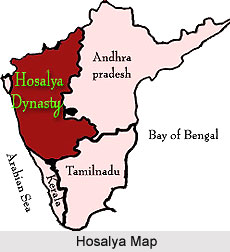
Gadyakarnamrita
Gadyakarnamrita is a 13th-century Sanskrit literary work written mainly in prose. It describes the ninety-day battle at Srirangam between the Hoysala...
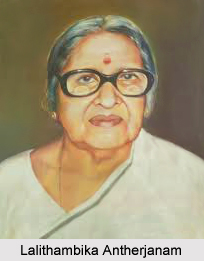
Women Writers in Malayalam Literature
Women writers in Malayalam literature have worked incessantly to make a place for their literary works. In the earlier periods, they were completely o...
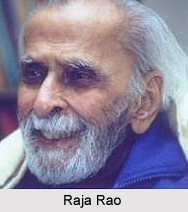
Comrade Kirillov, Novel by Raja Rao
Comrade Kirillov, a distinctive creation of Raja Rao, is presented as a brief yet incisive novelette that offers an ironic portrayal of the self-contr...
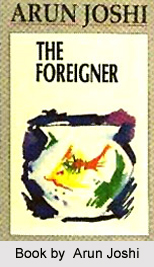
The Foreigner, Novel by Arun Joshi
“The Foreigner” is a book authored by Arun Joshi and published by Vision. It is an illustrious creation in the entire career of Arun Joshi, the famous...
Short Story in Telugu Literature
Short Story in twentieth century Telugu Literature was extremely popular and growing in and developing in a major way. Their popularity was greatly fa...
Related articles in Indian Literature
Mythological Themes in Indian Literature
Mythological themes in Indian literature have been integral to every ancient and contemporary writer and their path to f
Literature During Gupta Age
It is during the Gupta Age literature in the form of poetry, epos and drama gained a colossal importance.
Literature of Aravidu Dynasty
Sanskrit and Telugu were the popular literary medium of communication during Aravidu dynasty.
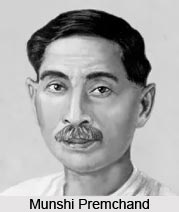
Munshi Premchand
Munshi Premchand was a legendary Indian writer notable for his modern Hindustani literature. A writer of a very high caliber, Premchand`s writings hav...
Sanskrit Poets
The names of some of the Sanskrit Poets are Bharavi, Devarshi Ramanath Shastri, Jayadeva and Srinivas Rath.