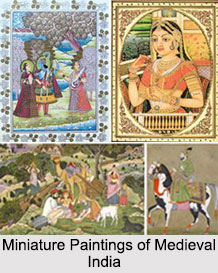
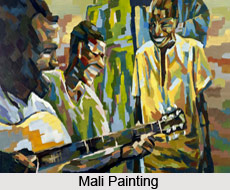
Miniature Paintings are complex, multi-coloured and small in size, with delicate brushwork. The different schools of Indian miniatures are Pala, Odisha, Jain, Mughal, Rajasthani and Nepali. Their most important contributing factor was the representative use of colour.
Miniature painting is stunning handmade painting, which is fairly colourful but tiny in size. The highlight of these paintings is the complicated and delicate brushwork, which provides them exceptional characteristics. The colours are handmade, from minerals, vegetables, precious stones , indigo, conch shells, pure gold and silver.
History of Miniature Painting
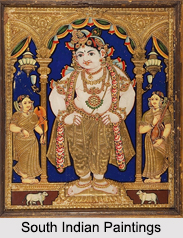
The history of Indian Miniature painting has started between 6th and 7th century. Miniature Painting was drawn to express realism. The 11th century Pala miniatures were the earliest to appear. Originally they were done on Palm leaves and later on the work was done on paper. The Eastern school of miniature painting, which was dated to the 9th-12th centuries, portrays the Mahayana Buddhist deities. The art is symbolized by easy compositions and serious tones. The Brahadeswar temple has representations of paintings done in the Chola era of the 11th century in South India.
 Themes of Miniature Painting
Themes of Miniature painting are Krishna leela, raga raginis, nayika bheda, ritu chitra, panchatantra etc. The paintings offer a close perception into the life of the royals and the common man, the splendour of their womenfolk and the motivations and attachments of the artists themselves. Music is connected with the paintings here and the different ragas were considered as appropriate to different seasons. With the Mughal influence in miniature painting, the focus is shifted to the portraits and prosperity of colour.
Development of Miniature Painting
However, the Western Indian Jain miniature painting has left a permanent mark on succeeding Indian paintings. The Jain miniature painting"s use of strong pure colours, the stylish figures of ladies, the heavy gold outlines, the reduction of dress to pointed segments, enlarged eyes and square shaped hands are reflected both in Rajasthani and Pahari paintings. The 16th century was creatively successful for Indian painting. The art of miniature painting came into a great importance both under the Mughals and the Muslim kings of the Deccan and Malwa and also under the Hindu Rajas of Rajasthan. The Mughals were supportive in introducing elements of Persian tradition in modern painting as well as subsequent styles of Indian painting. The recognition for introducing Western elements in drawing and painting in the Indian style also goes to the Muslim kingdoms. Deccani miniatures on the other hand, do not seem to have influenced by Pahari paintings. The only thing which links both schools appears to be the use of sprays of pink flowers common in Deccani miniatures and in Chamba miniatures. In some other parts of India, a painting tradition may have existed in the Western Himalayas earlier than the datable remains. The fact is that the artists were well acquainted with the techniques of preparing the plaster for wall paintings that seem to lend the support to this view. Unfortunately, not a single painting before this period exists.
Schools of Miniature Painting
The different schools of the Miniature painting of India include:
Pala School
Odisha School
Jain School
Mughal School
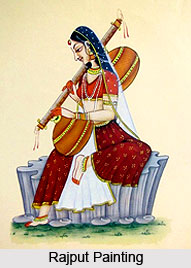
Rajasthani School
Nepali School
The initial examples of the Indian Miniature painting are those connected to the Pala School and they dated back to the 11th century. The Jain School of Miniature painting laid immense importance on style. The exclusive features of this school contain strong pure colours, stylish figures of ladies, heavy gold outlines, diminution of dress to angular segments, enlarged eyes and square-shaped hands.
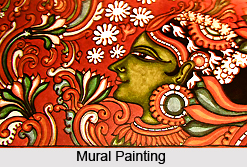
Wall Paintings of Miniature Painting
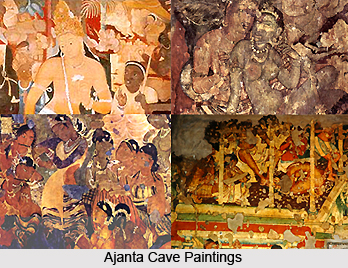
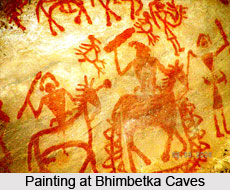
The wall painting in miniature painting in India had started in the prehistoric times. The Pre-historic paintings in the cave shelters of Bhimbetka and Pachmarhi are simple designs showing scenes of hunting, farming and dancing against dotted rock and was originally done in black or mud colours. The colour palette soon expanded to include white, red, yellow, blue and green. This succession can clearly be seen in the wall art of Bhimbetka. The wall miniature painting of caves and rock shelters served two purposes: decorating homes and comforting deities. There were many influences on India`s art ranging from religious and cultural to regional influences. The influence of Buddhism is first seen in 2nd BC to the 7th century AD). At Ajanta, the temples were built into the stone cliffs, with the paintings on the wall, which were the illustrations of the stories of Buddha. In addition to the wall miniature paintings found in Ajanta, other paintings were found in Odisha and Tamil Nadu, with the same theme as Ajanta, stories of Buddha`s life.
Types of Wall Paintings of Miniature Painting
Following are the different types of Wall Paintings:
1. Deity Wall Paintings
The Bhils and Bhilala tribes of Madhya Pradesh paint myths on the walls related to creation called pithora paintings. Horses, elephants, tigers, birds, Gods, men and objects of daily life are painted in bright-multi-coloured hues.
2. Mandana
Auspicious wall miniature paintings of Rajasthan and Madhya Pradesh, mandanas are meant to protect the home and fireplace as well as to welcome Gods into the house. Mud and cow dung are usually plastered on the walls, which are then painted white. The women of the house paint symbols like the swastika, the sun or the tree in black and red. Fortunate diagrams are drawn on the floor with rice paste, coloured powder, flower petals or grains of rice, often with symbolic signs.
3. Madhubani
Traditionally painted on walls and floors by the women of Bihar to invoke divine protection, the humble Madhubani wall miniature painting has come a long way. Scenes from Hindu epics, fertility symbols, auspicious birds and beasts are drawn on walls with the paste of newly harvested rice.