Common names: Gurmarbooti, Gurmar
Botanical name: Gymnema sylvestre
Parts used and where grown
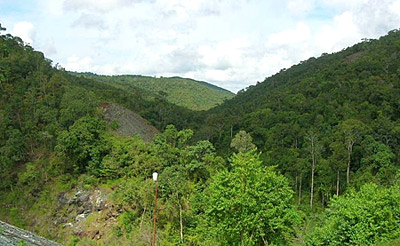
Gymnema sylvestre is a woody climbing plant that grows in the tropical forests of central and southern India. The leaves are used in herbal medicine preparations. G. Sylvestre is known as "periploca of the woods" in English and meshasringi (meaning "rams horn") in Sanskrit. The leaves, when chewed, interfere with the ability to taste sweetness, which explains the Hindi name gurmar-"destroyer of sugar."
Historical or traditional use
Gymnema has been used in India for the treatment of diabetes for over 2,000 years. The leaves were also used for stomach ailments, constipation, water retention, and liver disease.
Active constituents
The hypoglycemic (blood sugar-lowering) action of Gymnema leaves was first documented in the late 1920s. This action is attributed to members of a family of substances called Gymnemic acids. Gymnema leaves raise insulin levels, according to research in healthy volunteers. Based on animal studies, this may be due to regeneration of the cells in the pancreas that secrete insulin, or by increasing the flow of insulin from these cells. When placed directly on the tongue, gurmarin, another constituent of the leaves, and gymnemic acid have been shown to block the ability in humans to taste sweets.
Side Effects
Used at the amounts suggested, Gymnema is generally safe and devoid of side effects. The safety of Gymnema during pregnancy and breast-feeding has not yet been determined. People with diabetes should only use Gymnema to lower blood sugar under the clinical supervision of a healthcare professional. People with either type 1 or type 2 diabetes cannot use Gymnema in place of insulin to control blood sugar.
Certain medicines may interact with gymnema.
Gymnema Plant
Gymnema sylvestre is a woody climbing plant that grows in the tropical forests of central and southern India.