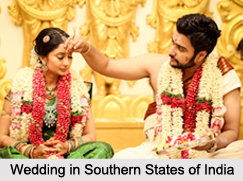
The Tamilian community is fairly large. The Tamilians believe in simple living, hence their weddings are not necessarily extravagant affairs. The date for the wedding is fixed after consulting the Hindu calendar. The Tamil traditions follow marrying within the community. However, the horoscopes of the couple are always being matched.
Pre Wedding Rituals
On the dawn of the wedding day the boy and the girl have an auspicious bath called "Mangala Snanam".
VrathamVratham
This ritual is somewhat similar to the Panda Kaal Muhurtham. It is usually performed a day before the wedding by the family of the bride as well as that of the groom. They recite Vedic hymns in the presence of a priest and seek the blessings of a family deity. Next, they invoke the blessings of all their ancestors and pray for their intervention in removing those obstacles that threaten to disrupt the wedding proceedings.
 Pallikai Thellichal
The family of the bride begins this ceremony a day before the wedding. Clay pots are filled with grains. Married women from both the sides sprinkle water on the pots filled with nine varieties of grain. During this ceremony, the others present sing traditional songs to the accompaniment of music.
Naandi
This ceremony involves honouring a few Brahmins with gifts and sweets. The Brahmins are invited to represent the souls of the ancestors of the bride and the groom. The families seek their blessings before beginning the marriage proceedings.
Jaanavaasam
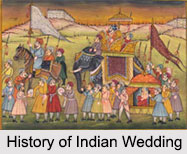
This is the custom related to the coming of the groom to the bride`s house for marriage. He is accompanied by a large and joyous procession of family and friends and professional musicians.
Wedding Costumes
The dress code for the Tamil bride is a saree. Usually the saree is a red one or any other similar dazzling colour. She would wear gold and pearl jewellery. The bride also adorns her hair with flowers in hair. The grooms of Andhra Pradesh wear the South Indian dhoti and a shirt in their style only. The Tamil grooms would not wear the shirt during marriage, but a dhoti and white Punjabi.
Wedding Ceremony
The wedding rituals are performed after the groom reaches the wedding venue.
Receiving the Groom
When the groom and his family arrive at the venue, they are welcomed with a tray containing offerings of flowers, paan supari, fruits and mishri. Rose water is sprinkled on the groom. The bride`s brother applies a tilak of sandalwood paste and kumkum on his forehead and garlands him. The bride`s mother offers the groom`s parents a sweet dish prepared from condensed milk. A senior female member of the bride`s family performs aarti and welcomes them. It is also customary to break a coconut to the ground, as this is believed to help ward off evil spirits.

Kanyadanam Wedding:
The "mandapam" where the actual ceremony is to be performed is decorated with kokam and flowers. Also varieties of sweets and savouries are served in the mandapam. The father of the bride welcomes the groom and washes his feet. The groom`s family presents the bride with the wedding 9-yard sari, which his sister helps, her wear. She has to be present wearing the newly gifted sari for the ritual of "Kanyadanam" where the groom and the bride are symbolically united by the bride`s father
Saptapadi
The havan and the paanigrahan are then performed where the boy accepts the girl and promises to look after her forever. Then the bride and the groom go around the sacred fire seven times in a ritual called "Saptapadi. This symbolizes that their union be as steady, solid and steadfast as a stone. In Tamil Marriage garlanding is done thrice. Most importantly, the boy ties a yellow thread with a pendant called the `Taali` to the girl`s neck.
Post Wedding Rituals
This has some fun filled moments in "Nalangu" usually celebrated in the evening when the boy and the girl are given a coconut to play with. An exchange of gifts takes place between members of both families and flower petals are showered on the couple
Katta Saddam
The next day after the 2-day affair of marriage, the boy`s relatives leave the marriage hall and return to their respective homes. The bride`s side bid adieu and provide them with all the condiments like rice, dal, coffee powder, appalam, tamarind, pickles and so on..
Paaladaanam
The bride and groom seek the blessings of the elder members of the family by asking for blessings in prostrate form in front of them. They also offer them a gift of fruits and a token rupee.
Sammandhi Mariyathai
The families of the newly-weds exchange clothes and other lovely gifts respecting their status during this ceremony.
Laaja Homam
The groom accepts popped rice from the bride`s brother and gives it to the sacred fire or Agni. The blessings of Lord Agni are asked for as fire stands for the divine power and light of God.