
Uttarakhand finds mention in the early Hindu scriptures as Kedarkhand, Manakhand and Himavat. It is often called the Land of the Gods (Dev Bhoomi) because of its various holy places and shrines. It was actually the ancient Puranic name for the inner stretch of the Indian Himalaya Mountains. The peaks and valleys of this state were known as the abode of gods and goddesses. Uttarakhand has to its credit some of the sacred pilgrimage spot of the Hindus. It was the source of the Ganga River. The Kushana Empire, Kudinas, Kanishka, Samudragupta, the Pauravas, Katuris, Pala Dynasty, Chandras and Pawaras and the British have ruled Uttarakhand in turns.
Early History of Uttarakhand
The region was previously settled by Kols. Kols are aboriginal people with Dravidian physical structure, and were later joined by the Indo-Aryan Khas that arrived from the North West by the Vedic period. At the present time, Uttrakhand served as the haunt for Sadhus and Rishis. Legends have it that Sage Ved Vyas scripted the Mahabharata as the Pandavas are believed to have camped in the region.
The first inhabitants of Tehri Garhwal District (a kingdom in the region of Uttarakhand) and Kumaon were the Kuninda in the 2nd century B.C. During the medieval period, the region was dominated in the west by the Garhwal Kingdom and in the east by the Kumaon Kingdom. They had close resemblance with the Indo-Greek civilization. They were central Himalayan tribal people who practiced an early form of Shaivism. They traded in Salt with Tibet. It is evident from the Ashokan Edicts at Khalsi in Western Gharwal that Buddhism made some inroads in this region. But Gharwal and Kumaon remained Brahmanical. In the fourth century, the Kuninda`s had to surrender to the Guptas. Between the 7th and 14th centuries the Shaivite Katyuri dominated lands of varying extent from the Katyur Baijinath valley in Kamaon. From the 13th -14th century, Eastern Kumaon prospered under the Chandras. During this period learning and new forms of painting were developed.
In 1791 the expanding Gurkha Empire (people from Nepal) overran Almora District, which was the seat of the Kumaon Kingdom. In 1803, the Garhwal Kingdom also fell under the clutches of the Gurkhas and became a part of Nepal. Later on, in the 19th century, expansion of the Gurkha Empire was brought to an end by British annexation of these regions. The Garhwal Kingdom was re-established from Tehri (Tehri is a city and a municipal board in Tehri Garhwal District in the Indian state of Uttaranchal, which has been renamed now as Uttarakhand) and eastern British. Garhwal and Kumaon had to yield to the British as part of the Treaty of Sugauli.
Other people of the Burman-Tibeto group also known as Kirates. They had settled in the northern highlands as well as in pockets throughout the region, and were also believed to be the ancestor to the modern day Raji, Buhsha, Bhotiya and Tharu peoples.
Modern History of Uttarakhand
The present state of Uttaranchal was earlier a part of the United Province of Agra and Awadh. In January 1950, the United Province was renamed, as Uttar Pradesh and Uttaranchal remained a part of Uttar Pradesh. It emerged as an individual state on 9 November 2000. It became the 27th state of India.
After the Independence, the princely state of Tehri was merged into Uttar Pradesh where Uttarakhand composed of the Garhwal and Kumaon Divisions. The kingdoms of Garhwal and Kumaon were traditional rivals with different linguistic and cultural influences. As a result of nearness of different ethnic groups and their inseparable geographical nature, between language and traditions, there existed a strong bond between these two regions. These bonds created the foundation for a new political identity of Uttarkhand. In 1994, the demand for a separate statehood achieved unanimous acceptance among the local people as well as political parties at the national level. Until 1998, Uttarakhand was the name most commonly by the different political groups. The BJP came to power in March 1998 and on November 2000, and the new state was created.
History of Uttarakhand
History of Uttarakhand finds mention in the early Hindu scriptures as Kedarkhand, Manaskhand and Himavat. Uttarakhand is called as the Land of the Gods (Dev Bhoomi) because of its various holy places and shrines.
Recently updated articles in States of India
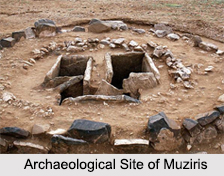
History of Thissur District
Early History of Thissur District explains flourishing of the port cities. Now these port cities are transformed into archaeological sites.
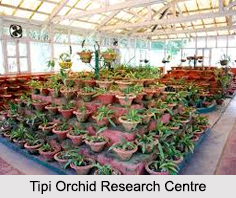
Tippi Orchid Research Centre, Arunachal Pradesh
Tippi Orchid Research Centre in Arunachal Pradesh is renowned for its rich collection of exotic and endangered orchids. Surrounded by lush rainforest...
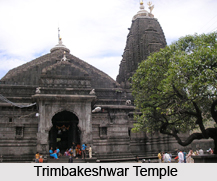
Tourism in Nashik District
Pilgrimage tourism in Nashik district involves visiting the various places of Hindu and Jain worship located here. Some of the holiest sites for Hind...
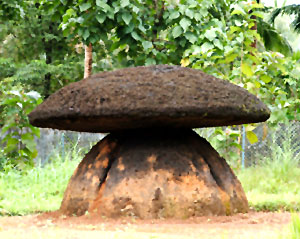
Mangadu, Kerala
Mangadu in Kerala’s Kollam district is a significant megalithic site known for its urn burials, cist burials, menhirs, and stone circles. Excavations...
Devaswom
History of Devaswom is not very ancient and can be dated back to late seventeenth century.
Related articles in States of India
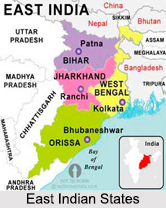
East Indian States
East Indian States comprises of Bihar, Jharkhand, West Bengal, Odisha and also the Union Territory of Andaman and Nicobar Islands. It defines the cult...
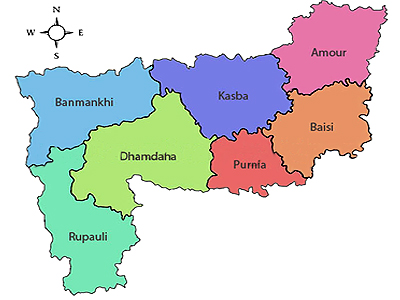
Purnia District in Bihar
Purnia District is located in Bihar and extends from River Ganga to Nepal. The district has a rich Hindu history and glorious past.
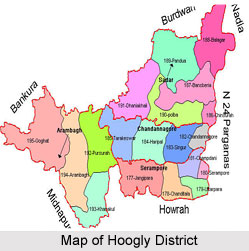
Hooghly district
Hooghly District along the bank of the river Hooghly is one of the principal trading ports of West Bengal.
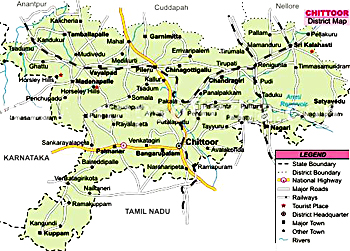
Geography Of Chittoor District
Geography of Chittoor district is spread along the topography of the land which is divided into two natural divisions; Chittoor has a dry and healthy...
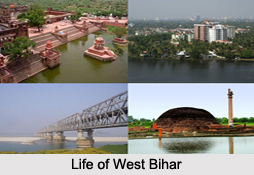
Districts of West Bihar
Districts of West Bihar is comprised of medieval monuments that were built by the different governors of Mughal era.