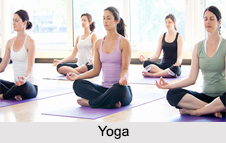
 Yoga for mental problems has been a popularised association for ages. This characteristic of Yoga owes to its effective asanas and meditative processes that bring forth a calm and settled mind. Yoga has a holistic approach towards life and several mental problems like hostility, frustration, memory loss, depression, pessimism and so one can be effectively cured through Yoga.
Mental Health
Mental health refers to the overall well-being of an individual. It is about the balance of the social, physical, spiritual and emotional aspects of a person`s life. The mental state of a person is characterised by the personal growth, sense of purpose, self-acceptance, and positive relationship with other people. It is also highly affected by environmental factors like family life, social life, and life at work. The general well-being is decreased by any negative experiences in any of the mentioned areas.
Types of Problems and Their Cure by Yoga
Among the most common mental problems are anxiety and depression. Patterns of belief, language use and perception can also become disordered. Psychotic disorders centrally involving this domain include Schizophrenia and Delusional disorder. Schizoaffective disorder is when the individuals show aspects of both schizophrenia and affective disorders. Schizotypy is a category used for individuals showing some of the traits associated with schizophrenia but without meeting cut-off criteria. However, Yoga is a complete sphere where the person can attain a pure mental peace.
The theoretical and philosophical aspects of yoga are responsible for imbibing in the mind of sadhaka an objective and impartial outlook towards the life and the world. Four Purusharthas, Panca Kosha theory, Karma-phal theory and Samkhya`s Triguna theory are the popular Yogic theories explaining the effect of Yoga on mental disorders. Asana and pranayama efficiently corrects the psychophysiology of a person. Trataka or the meditation of the third eye can bring about a psychological cleansing; conflicts can be reduced and a relaxation can be experienced. A Reduction of conflicts and relaxation are bedrocks of good social adjustments. Practice of the Yamas, is the foundation of good interpersonal adjustment. These codes of social conducts lay foundation for healthy and harmonious interpersonal relationships. Observance of Niyamas helps in self-adjustment, as they tackle a total psycho physiological system of man. Asanajaya enables a person to reduce the conflicts like hunger-thirst, hot and cold variations in the weather and so on. Dhyana brings about a mental purgation or catharsis that helps in reduction of conflicts and frustration. According to Patanjali Yoga Sutras, Kriya Yoga cleanses the psychological environment of individuals. Praying in groups helps in inculcating feelings of brotherhood thus, it helps in interpersonal adjustment. Pranava or omkar recitation reduces neuroticism, anxiety and conflicts. This helps in personal and interpersonal adjustments.
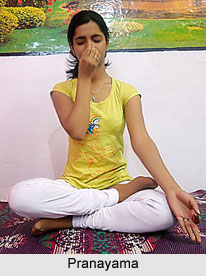 The most deep-rooted source of frustration is a conflict of motives within the person. A conflict between two or more motives results in the frustration of a motive. In the day-to-day life, often, individuals are not able to resolve the two opposing desires or wishes. A person may get indulged into a conflict through approaches. This is usually a conflict between two positive goals. Both the goals are equally attractive at the same time. Frustration is a natural tendency that is bound to take root in a person`s mind, if he faces problems in achieving his goals. Physical deficiency, mental deficiency, economical and social issues and personal habits may lead to various kinds of frustration. By understanding Yogic philosophy, perceptions or attitude may change.
Yoga philosophy teaches to be unruffled in frustrations. Yogic theories of Avidya, Pancha Kosha and Purusha prakriti are important in this regard. By a systematic practice of Astanga Yoga one can imbibe in oneself the yogic values like curbing ego and desires in equality which in turn can have a positive impact on the person in dealing with frustrations. Various methods of handling mental disorders are mentioned in Samadhi Pada of the Patanjali Yoga Sutras like Pranava japa, Vitarka Badhane Pratipaksha Bhavanam Chittaprasadanam etc.
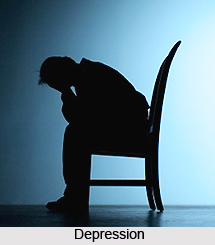
The word "depression" has become a very common problem in the contemporary society. Depression is a state of sadness. However, it is not major depression, which is a mental condition characterised by a severe state of sadness or melancholy that reaches the point of hindering a person from functioning well in society. Simple depression (or a depressed mood) may only last for a short time and can be treated easily, major depression can last for a longer time and treatment can vary from person to person. Some of the symptoms of depression include physical and mental fatigue, loss of appetite, a feeling of intense fear or melancholy and loss of interest in day to day activities. Changes in sleeping patterns, concentration level, outlook, suicidal tendencies may also appear. Dysthymia is a long-term depression that lasts for at least two years; while Bipolar Disorder is characterized by mood swings that go from depression to mania (extremely elevated mood) and vice versa.
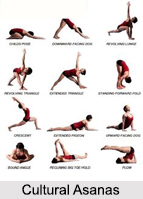
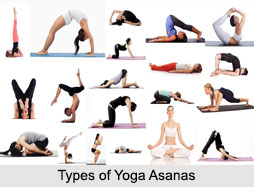
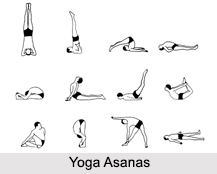
One can choose to practice Yoga to get rid of depression. Yoga will help reduce stress, create a peaceful state of mind and promote a positive outlook on life. The yoga asanas aid in stimulating important internal organs. Asanas help to cleanse and maintain the nervous and circulatory systems, which automatically result in a healthier body and mind. Breathing exercises or Pranayama can also help in keeping a person healthy by supplying a fixed amount of oxygen to the muscles and internal organs. However, Yoga should not be treated as the sole remedy for mental illnesses. The person should first seek assistance from a professional if he/she experiences any of the symptoms mentioned above. Yoga can help facilitate the recovery from some dangerous side effects of mental illnesses. However, it should always be accompanied by proper medication and psychological counselling.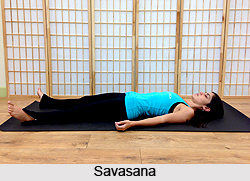
Importance of Savasana in Improving Mental Health
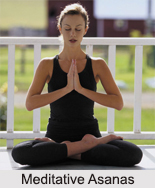
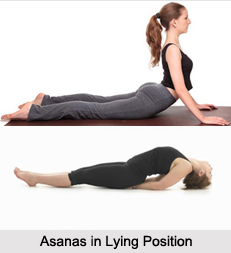
Almost each and every Yoga Asana is effective for retaining mental heath and curing the disorders. However, Savasana is the best option to attain complete relaxation. After practicing this asana, the body becomes relaxed, fatigue vanishes and the mind feels lighter. In fact, all Yoga asanas reduces high blood pressure and regulates respiratory system and is very effective in ensuring sound sleep. This keeps an individual more calm, alert and energetic throughout the day. Those who are suffering from insomnia can practice the meditative asanas or Yoga Nidra before going to sleep. Most Yoga asanas helps to cure nervous debility, mental imbalance, heart disease, insomnia and lack of memory.
Methods in yoga provide the individual a basic discipline for his overall adjustment with his environment. Asanas and Pranayamas have a very positive effect on the emotional make-up. Yoga philosophy may provide the person with a sound thinking base for sustained efforts in yoga path. Yoga practices, because of their psycho-physiological nature, make a sound emotional background, useful for absorbing all kinds of frustrations in one`s life, with equanimity and grace.