Lac Craft of Eastern India
In eastern India, lac is manufactured in many parts of West Bengal including Purulia district, Manbhum district and Elam bazaar of Birbhum district and also in Lohardugga district of Jharkhand. Stick lac is also manufactured in Sambalpur. Numerous alluring artefacts of lac are crafted in these regions among which the lac combs are very popular and are used by the tribal people as hair ornamentation. The comb is made up of soft wood and decorative motifs on it are made with jungle lac. Navrangapur of Koraput district of Orissa is another well known centre for jungle lac craft. The region has a distinct style of lacquering with its unique designs and colour schemes. Their speciality is a bamboo box, often designed with papier mache, which are brightly lacquered and highly decorated with folk motifs, animals, flowers and birds. These are traditionally used for exchanging gifts. Lac bangles are of numerous types like lahathi simple bangles, tisiphula bangles for marriage purpose, chagotava vsukhapuri, mathapa, motiya, bijulichata, phulavari, sahana etc are also famous in eastern India. Beautiful designs are made on each of these types of bangles. Different regions have different specialities in terms of designing.
 Lac Craft of Northern India
Lac bracelets and ornamental beads are manufactured in Delhi and Punjab. The lacquer ware industry of Varanasi is about 400 years old. It is reported that the artisans of this region had migrated from Udaipur in Rajasthan. They prospered in Varanasi under the patronage of the Maharaja of Kashi and millions of pilgrims who visited Varanasi as a holy city. The main industry of lac is in Bihar. In northern Bihar about one hundred tons of refuse lac, which remains in the sack after squeezing, is used for making bangle cores and the better quality lac is used for decoration. Lac bangles are worn by married women of the aboriginal tribes of Bihar including Bhumij, Mo, Munda, Oraon and Santhal tribes. The designs of bangles of Sursand in Muzaffarpur district of Bihar exhibit very traditional colouring and pattern.
Lac Craft of Western India
Lac bracelets are also manufactured in the district of the Panch Mahal in Gujarat. Lac is collected by the Bhils in the neighbouring forests of Ali Rajpur, Udaipur, and Devgad Bariya and is sold to grain dealers who, in turn, sell them to the town lac manufacturers. Lac industry gives employment to many families at Dohad and Jhalod districts of Gujarat. Lacquered wooden bracelets and wooden toys are also made at Ahmedabad and Surat. Lacquerware of Sawantvadi, once a princely state, is a traditional craft of that region. Lac jewellery also has cultural values, especially the bangles, which are worn on all auspicious occasions in Rajasthan. They are considered a sign of good omen. The bangles are either plain or studded with glass pieces, bright stones, gemstones and beads and are extremely beautiful. The plain bangles are of dazzling hues and zigzag designs. Decorative ones are set with salma and patri. Lac jewellery set with glass chatons is also a popular item in Rajasthan. Jaipur city of Rajasthan is a big centre of lac crafts.
 Lac Craft of Southern India
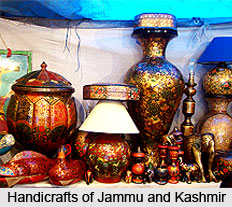
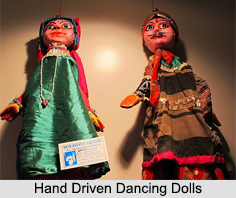
Mysore and Harpanahalli, in the Bellary district are famous for lac crafts in Southern India. Lac ornaments are made at Ellichpur in Berar. One of the famous artefacts of lac crafts here are the Rajputana boxes having a dull ground, decorated with conventional, geometric or floral motifs of two colours arranged in alternate rhythmical manner. In Mysore there is a type of lac craft in which the ground is painted in transparent green on tinfoil and subjects are painted on this shining background with bright colours. Etikoppaka in Andhra Pradesh is another important centre of this craft. Apart from this, Chennapatna in Karnataka state holds an honoured place in the lacquer ware world. Jhunjuna and chusni for babies, tops, bats, balls, models of aeroplanes, rail engines, telephone sets, tea sets, caravans of camels and elephants, sets of musicians and saints of India, models of carts and animal figures are some of the common products of lac craft. Lac furniture includes bedposts, cradles etc whereas utility articles enlist sindoor boxes, flower vases, powder boxes and many more.
Making of Lac Crafts
Lac is a coloured resin that is obtained from wild trees. It is collected from insects that accumulate this resin and is thoroughly purified before use. Multicoloured balls and sticks of lac are made by twisting coloured melted sealing wax round the stick or ball from top to bottom in alternate bands. Thereafter, the stick or ball is held before the fire and with the help of a needle different colourful designs are made on them. These are then rapidly rolled on a cool and smooth surface. Making of lac bracelets also includes elaborate steps. For this, lac bangles are firstly made separately. These are then slipped over the oily conical head of a rice pounder and are heated in such a way that they stick to each other without melting. Thereafter, a pattern is printed on the cylinder of bracelets. To embellish them, tin and a small lump of glue are pounded together till they form a dull grey metallic paste and are boiled in a copper vessel. The patterns on the bracelets are then intricately decorated with this paste. Application of varnish on them helps to turn all the white dots of the tin pattern into a beautiful golden colour. Lac bracelets are also ornamented with little glass beads and bits of tin or copper foil stuck along the edges.
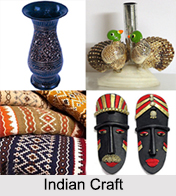
Owing to the plethora of artefacts, varying tremendously in designs and patterns, lac craft has always been in great demand. This unique craftwork reflects an amalgamation of traditional as well as contemporary styles. In addition to being trendy artefacts, lac crafts are also associated with religious beliefs of India. Lac articles are considered auspicious and are thus used in cultural and religious ceremonies also. Apart from the people of the country, lac crafts in India also attract people from all over the world.