
The Yadavas are spread throughout India. They include the Abhiras or Abirs of Northern India, Raos of Haryana, `Gwallas` (cowherd) of Uttar Pradesh, Mandals of Bihar, Pradhans of Orissa, Ghoshals of Bengal, Gopas and Reddis of Andhra Pradesh and Wodeyars of Karnataka. Some historians think that the Jats are Yadavas in origin, that the Gujjars and the Marathas were also Yadavas and that they and the Gujjars intermarried. The princely houses of Baroda, Bikaner and Alwar chose to align themselves with the Rajputs, though their roots were in Yadava stock.
The Yadavas who ruled southern India till the 13th century were the Mauryas, Shalivahanas, Chalukyas, Rashtrakutas, Yadavas of Devagiri and Mankhed, Haihayas of Chedidesh (near Jabalpur), Kalachuris of Kalyan in Hyderabad, Bhattis of Jaisalmer and Shelars and Shilahars of Southern Maharashtra. The Rashtrakutas, too, were Yadavas. The Kailash Temple cut out of solid rock at Ellora, stands as a perpetual monument to the greatness of Krishna I (756-73). In their inscriptions from the ninth century onwards, the Rashtrakutas are spoken of as Yadavas.
After the 14th century, Yadava power declined. Some of them linked themselves with the Suryavanshi Kshatriyas.
The Yadavas are dynamic people with a capacity for assimilation and absorption, a quality to which their survival after the fratricidal Mahabharata war may well be attributed. This tribe has intermingled and has gradually separated from the main Yadava fold. Socially and economically they began to be classed as backward. High caste Hindus often call them Sudras but the Yadavas call themselves `Somavanshi Kshatriyas.`
The contribution of the Yadavas to the composite culture of India is immense: the nomadic art forms, the Abhira language (Apabhramsa), the Raslila and certain ragas like Ahir-Bhairav, Abhirika, Gopika and Kannadagula, and perhaps most of all, the Krishna cult.
Yadava Community
Yadava Community can be closely linked to Lord Krishan as He was born into this community.
Recently updated articles in Religion in India
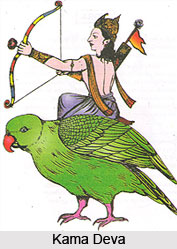
Kusumayudha
Kusumayudha is a name of Kamadeva, the Hindu God of Love. Depicted with a sugarcane bow and flower-tipped arrows, he represents attraction and longing...
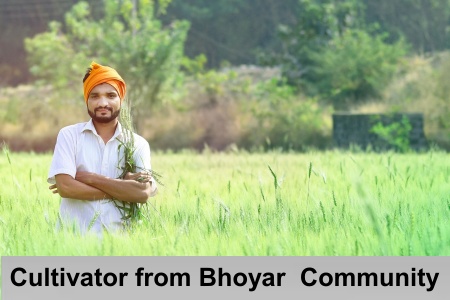
Bhoyar Caste
Bhoyar Caste is largely found in the Central Provinces of the country. Traditional occupation of Bhoyars is agriculture. They are good cultivators and...
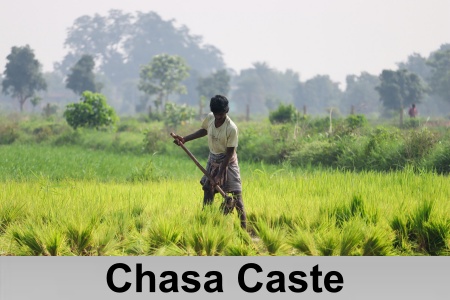
Chasa Caste
Chasa caste is a prominent agrarian community native to Odisha. Traditionally associated with cultivation and farming, Chasas have historically played...
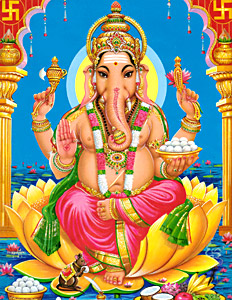
Vigneswara, A Form of Lord Ganesha
Lord Vigneswara is another form of Lord Ganesha or Vinayaka, prominently worshipped as the God of intelligence and good luck in the Indian subcontinen...
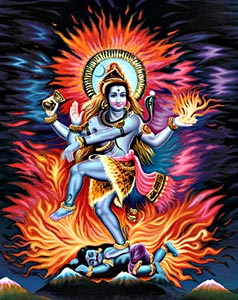
Maheswara
Maheswara, meaning “the Great Lord,” is a revered name of Lord Shiva in Hindu tradition. It represents Shiva’s supreme authority over creation, preser...
Related articles in Religion in India

Religion in Indus Valley Civilization
Religion in Indus Valley Civilisation included Hinduism, Buddhism and Jainism. Details about the religion in Indus Valley Civilization have been gathe...

Iyer Brahmin
Iyer Brahmins are originally from Tamil Nadu of South India. They are known for their adherence to Advaita philosophy and Smarta traditions. Tradition...

Kumbhakar / Kumhar Caste
Kumbhakar or Kumhar caste is a traditional artisan community in India known for pottery making. Derived from Sanskrit word Kumbhakar, meaning potter,...

Gujjars in Mughal Era
Gujjars in the Mughal era enjoyed great power. Further their power increased with the decline of Aurangzeb, Mughal emperor.

Gotra in Hinduism
In Hinduism, gotra refers to a lineage system tracing descent from ancient sages, primarily through the paternal line. Originating from Vedic traditio...