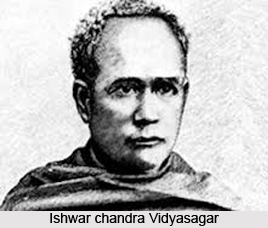
 Widow Remarriage in modern India was a very sensitive issue and much was done by reformers to enforce this system. Among the foremost advocates of widow remarriage in modern India was Ishwar Chandra Vidyasagar (1820-91). He had devoted his life to improving the status of Hindu widows and encouraging remarriage. Social reformers and activists rallied extensively against the inhumane situation of widows and the legalizing of widow remarriage in modern India. The outcome of these efforts was the Hindu Widow Remarriage Act of 1856.
Evolution of Widow Remarriage in India
The idea of widow remarriage had been practiced without any hindrance in ancient India. This is testified to by the fact that one can find several references of widow marriage in Ancient Indian literature. During the Vedic age, widow marriages were allowed among all the castes. The Narada Purana even went on to classify the three kinds of widow remarriage that existed. The first was one for a married woman, who fulfilled the rituals of marriage, but did not live with her husband for a single day; the other type of widow remarriage was of the woman who after leaving her first husband, comes back to him after parting with her second husband, and, the third type of remarriage was for a woman, who has been given to any Sapinda after her husband expires. In fact the Rig Veda even prescribes that the widow should give up thinking of her late husband and should accept the marriage proposal of the person who wants to marry her. It was later on, in the 10th to 11th century AD that widow marriages were not encouraged and they were universally prohibited. The system of Sati was becoming increasingly popular and being upheld as the right path to be adopted by a widow. The condition of widows in Hindu Society thus became terrible. Forced widowhood led to even worse situations such as illegitimate sexual relations, kidnapping, prostitution and illicit children.
Hindu Widow Remarriage Act, 1856
Modern India saw an increased awareness about the plight of widows and the deplorable conditions of their existence. There were a number of religious and social reformers who cried for a betterment of their conditions and demanded that widow remarriage should be legalized. They pressed on and urged the British to pass legislation that would enable Hindu widows to remarry. To support this demand, Ishwar Chandra collected almost 1,000 signatures and sent this petition to the Indian Legislative Council. The Council received thousands of signatures for and against this measure but the members finally decided to support the "enlightened minority." The Hindu Widow Remarriage Act was passed in 1856.
However, the Remarriage Act did not change the status of widows. Frequently blamed for the husband`s death, the high-caste widow was required to give up her jewellery and subsist on simple food. Young widows were preyed upon by men who would make them their mistresses or carry them away to urban brothels. Thus the widow`s situation was an extremely deplorable one, and even the passage of the remarriage act, despite the best intentions, did little to alleviate her situation.
Though immense efforts were put in for the purpose of widow remarriage it did not receive the approval of society, polygamy was not abolished, and the battle for female education had only begun in modern India. From the perspective of women`s rights, the new law often proved harmful. Remarried women from castes that had traditionally practiced remarriage were often deprived of their rightful inheritance and those castes were derogated as inferior. Widow celibacy was lauded by the elite as a hallmark of respectability. Moreover, the same colonial rulers who were critical of Indian customs were extremely hesitant in helping the reformers and bringing about social change. Thus, the situation of widow remarriage in modern India, though considerably better than in medieval times, was still quite bad and there was still a long way to go for widow remarriage to become an accepted reality.