 Venkatamakhin or Venkateshwara was a well-known musicologist and composer of Carnatic music. Venkatamakhin was one of the sons of Govinda Dikshitar, a Kannada Brahmin from Mysore. He was born in a family of seven brothers and sisters.
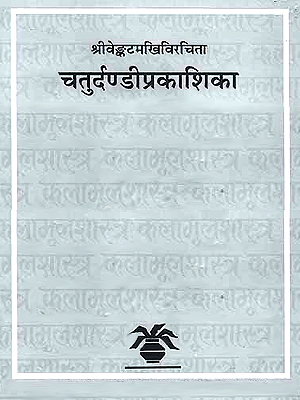
Chaturdandi Prakasika
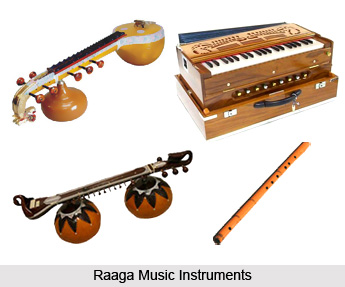
`Chaturdandi Prakasika` was a landmark in the chronicles of Carnatic music. The name means `Exposition of the four channels through which a raga manifests itsel`. He claims to have devised the 72 melakarta scheme. The ten chapters are: Veena Prakarana, Sruti, Swara, Mela, Raga, Alapa, Thaya, Geeta, Prabandha and Anubandha Prakaranas. Venkatamakhi has mentioned about one more variety of veena: Eka Tantri. Four forms of singing have been referred to in the text: Gita, Prabanda, Taya and Alapa. These are themes that have been highly focussed upon by Venkatamakin. The word chaturdandi means four parts of a raga-stayi, sanchari, aroha and avaroha.
The first and comparatively most important part of the work is Vinaprakarana that could not be traced. The second, third, fourth and fifth prakaranas most probably deal with srutis, svaras, melas and ragas. The seventh and eighth prakaranas speak about alapa, taya and gita.
In Sangita Saramruta 935 verses of Chaturdandiprakasika have been given. From here one gets an idea as to how the seventeen svaras of chaturdandi could be played on a veena and how they could be executed by the vocalist. In Ragaprakarana he elaborates the ragas which originate from the melas. His suggestion marks a shift from Tamil tradition. Venkatamakhin`s formula introduces a shift. He made an attempt to codify the ragas under the melas. According to him by manipulating the svaras mechanically, it is possible to derive 72 melas.
Chaturdandi Prakashika explicates the melakarta system of classifying ragas. He composed geethams and prabandhas, 24 ashtapadis in praise of Lord Thyagaraja of Tiruvarur. He received his formal training under his elder brother, Yagnanarayana Dikshita and later on under later under Danappachariar, alias Venkata Sarma.
Vijayaraghava Bhoopala was the ruler who encouraged Venkatamakhin in his pursuits in musicology. He has also composed Lakshya Gitas and Prabandhas in Bandira Bhasha.