 The Usinaras were an ancient, petty tribe dwelling to the north of the Kuru country. The Gopatha Brahmana says that the Usinaras and Vasas (Vatsas) were regarded as northerners. In the Rig Veda the Usinara tribe is alluded to in a passage which refers to their queen Usinarani. Panini, the grammarian had also referred to the Usinara country. The Aitareya Brahmana had assigned the Kurus and Panchalas, together with the Vasas and Usinaras, to the Middle Country which later came to be known as Madhyadesa. In the Kausttaki Upanishad too, the Usinaras are associated with the Kuru-Panchalas and the Vasas.
Some historians were of the opinion that the Usinaras were settled in towards the east. While some other historians believe that the Usinaras had occupied the state of Punjab. Usinaras had established separate kingdoms on the eastern border of the Punjab namely those of the Yaudheyas, Ambasthas and a lot more. Some other members of the Usinara clan had also established the kingdoms of the Vrisadarbhas, Madras, Kekayas and Suviras, thus occupying the whole of the Punjab except the north-west corner.
According to tradition, King Usinara was descended from the Anavas. He had five wives namely Mriga, Krimi, Nava, Darva and Drisadvati, who respectively had five sons, Mriga, Krimi, Nava, Suvrata and Sivi. The city of Mriga was Yaudheya; and the Harivamsa has connected the Yaudheyas with Usinara.
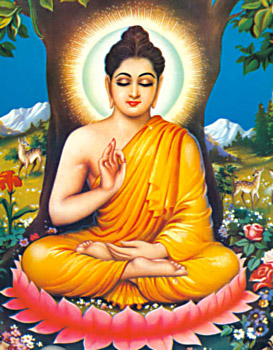
In Indian Mythology the story of king Usinara being ready to sacrifice himself for the sake of a pigeon occupies a prominent position. The Buddhist Jatakas on the other hand has referred more than once to King Usinara. For instance, in one Jataka it has been mentioned that there once reigned a king named Usinara. His people were wicked and followed unrighteousness. During his reign, the religion of Lord Buddha had begun to disappear. Sakka (Sakra) observed the miserable plight of the people, due to the decadence of the religion of the Buddha. He turned the god Matali, his charioteer, into the shape of a huge black hound and entered the city with him. The people were terrified by the loud barking of the hound. Sakka said that it was hungry; but even when all the food in the city was given to the hound, it did not stop barking. The king said that it must be a goblin, not a hound. Sakka then explained that he had come with the hound to revive the religion of the Buddha, and thus to establish the people in the virtues of liberality.