
Thirteen types of Siras(Movement of the head as Abhinaya) are : Akampita, Kampita, Dhuta, Vidhuta, Parivahira, Udvahitaka, Avadhuta, Ancita, Nihancita, Paravrtta, Utksipta, Adhogata, and Lolita.
Akampita - this is a slow movement in which the head moves up and down. This is done for giving hints, asking, normal conversation, giving bearing and direction.
Kampita - The quicker and several head movements of the head. This is done in order to display anger, argument, threatening, sickness and conception.
Dhuta - this is slow bending and contracting of Shiras. This is done in order to express sorrow, side glances, emptiness and prohibition.
Vidhuta - When the dhuta movement become quicker it is vidhuta. This is applicable in cases of being affected by excessive fear, alarming situation, fever and initial stage of alcoholism.
Parivahita - The head turned sideways. This is used in order to show emotions like wondering, getting angry, enjoying, reflecting deeply, recollecting and hiding.
Udvahita - When the head is turned upwards. This is done in order to show pride, revealing desire, looking up and self confidence.
Avadhuta - This is that movement of the head when there is a sudden depression. It is applied at times of sending a massage, worshipping the deities, talking and at times of sending a massage, invocation of the deities, talking and signalling people to one self.
Ancita - This is the movement where the neck is bent towards one side slightly. It is used in the ailments, loss of sense, inebriety and anxious displeasure
Nihancita - One who lifts up the arms and the head when the neck is bent sideways. This is used in context of the women characters exhibiting arrogance, flirtation, light heartedness, artificial anger in love, frantic laughter, arrogance and jealousy.
Pravarrta - When the actor imitates the turning of the face. This is employed in turning away the face looking behind.
Utksipta - The head remains with the face looking up. This is employed when speaking to tall people. It is also used when divine weapons have to be portrayed.
Adhogata - The head remains with face turned down. It is used in order to illustrate shyness, adoration and sadness.
Parihlita - Head rolls all round. It is used on occasions of fainting ailments, advanced state of intoxication, affliction and drowsiness.
Types of Siras
Types of Siras reveal the various movements of the head. There are thirteen types of Shiras that have been mentioned in Natyashastra.
Recently updated articles in Indian Drama & Theatre
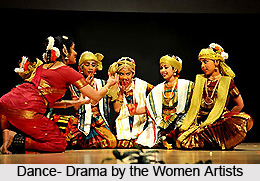
Amateur Theatre
Development of Amateur Theatre has been responsible for useful innovations in theatre culture of Karnataka.
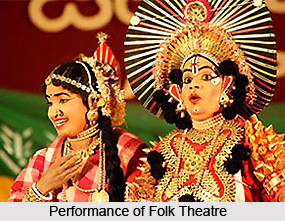
Surendranath Ghosh
Surendranath Ghosh or Dani Babu was a Bengali thespian active during the mid-20th century. He was mostly known for his contributions to Bengal’s moder...
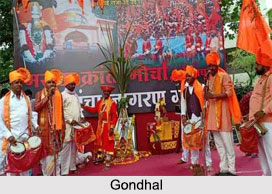
Gondhal Dance
Gondhal is a religious folk dance of Maharashtra. It is performed on special days like when there is a newborn in a family or marriage. Dedicated to g...

Pravritti in Natyashastra
Pravritti in Natyashastra refers to specific human behaviour varying from region to region. There are four types of Pravritti namely, dakshinatya, ava...
Padma Bhushan Awardees (2010-2019)
Padma Bhushan Awardees (2010-2019)
Related articles in Indian Drama & Theatre
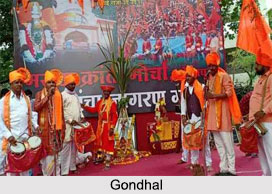
Gondhal Dance
Gondhal is a religious folk dance of Maharashtra. It is performed on special days like when there is a newborn in a family or marriage. Dedicated to g...
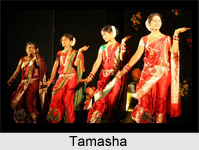
Tamasha Folk Dance
Tamasha is a folk art, which includes the love songs, which are traditional lavanis and dance along with the music.
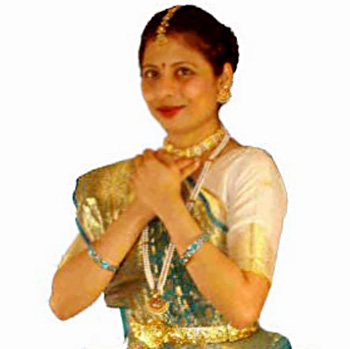
Sringara Rasa
Sringara Rasa is mentioned in Natyashastra as one of the important rasas. The Sthayi bhava in Sringara rasa is Rati or love.
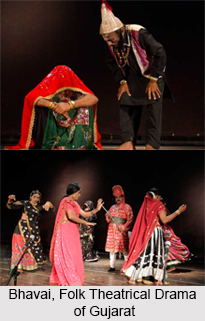
Bhavai - Folk Theatre of Gujarat
Bhavai is a popular folk theatre form of Gujarat that belongs to the tradition of theatre of entertainment.
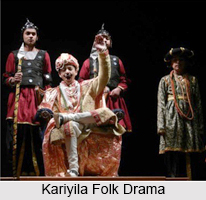
Kariyila Folk Dance
Kariyila is one of the most appealing and popular folk drama forms of Himachal Pradesh, portraying social satire with the accompaniment of folk dance...