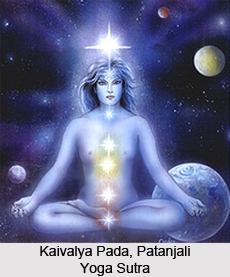
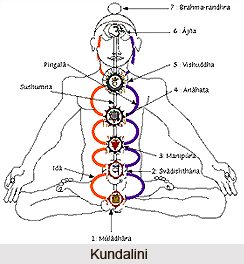
 There are seven fundamental vibratory rates (bodies) which an individual uses to advance from very basic energies to the very vastly developed superhuman levels. These bodies interpenetrate one another, the higher bodies expanding farther out. There are levels beyond the seven, but it is useable only by the very advanced.
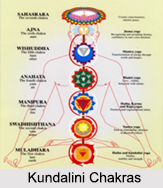
The densest of these bodies, and the only one willingly seen, is the physical. The other bodies, vibrating at equally higher rates, are the emotional, mental, intuitional, atmic (`atma` means great self), monadic (`monad` is a unit), and divine. A man or woman, however, are not these seven bodies; each is relatively a pure conscious which can inhabit in any one or an amalgamation of bodies. There are very few people in this particular age whose consciousness is so very matured, their bodies so revived and accustomed, that they function in all bodies at once; but this is nevertheless the eventual goal of earthly development. An individual serving in all bodies at once- i.e., all bodies in accord with his or her consciousness- lives as perfect a life as is achievable on this earth.
Most people intermingle with others and the world only through a few of their bodies. An individual may be principally physical/emotional or physical/mental or possibly mental/spiritual. Aquarian Age energies push for balance and synthesis of all bodies; no matter whether or not the person is concerned about Kundalini, he or she has to work with the dissimilar bodies or degrees of consciousness.