
The Puranas are different from the other contemporary texts both in composition and construction. Before being recognized as a literary genre, the Puranas existed as the legendary lore from the time immemorial. Several researches has been made in this connection in order to detect the tradition , which the composers of Puranas have followed. That the Puranas represent a Kshatriya tradition, as distinct from the Brahmana tradition of the Vedas, is accepted by many scholars following FE Pargiter. These scholars have provided their opinion, which is based on two assumptions. The first and foremost is that the heroes of the Puranas are Kshatriya kings, most of whom are not mentioned in the Vedas. And the second one is that the Puranas were transmitted by the Sutas, who were of Kshatriya origin.
But later certain other researches have been made which indicates that there is absolutely no foundation for these beliefs. According to them, the Suta was a venerable Brahmana. Moreover the traditional culture of India do not specify the Kshatriya and Brahmana traditions as the different traditional culture. Even in those works a note of glorification for the Brahmana tradition is noticed, which are assigned to the Kshatriya tradition by Pargiter. Moreover it has also been deciphered by the scholars that the so-called Brahmanic literature abounds in Kshatriya legends.
However according to Pargiter the Puranas assign a comparatively small portion to genealogical accounts, which are considered as the genuine Kshatriya tradition. The main bulk of the Puranas deals with Vedic and Brahmanic lore, to which the earliest reference to Purana is made. Moreover, the Puranas follow the Vedic religion as its base and take pride in styling themselves as the "fifth Veda".
According to Pargiter, the Puranas in the present days, are undeniably Brahmanic compilations; so no part can be partitioned as Brahmanic and Kshatriya traditions. These are not two distinct sets of traditions; both are Brahmanical, produced under different environments with different aims and objects. Hence the modern scholars, after a prolonged research do not endeavor to assign a separate tradition of Kshatriya to the Puranas.
Puranas and the Kshatriya Tradition
The Puranas followed the tradition of the Kshatriya in its construction and composition.
Recently updated articles in Indian Puranas
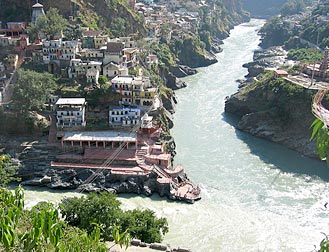
Mandakini, Holy River
Mandakini River is a significant Himalayan river in Uttarakhand, renowned for its ecological, cultural, and religious importance. Originating near the...
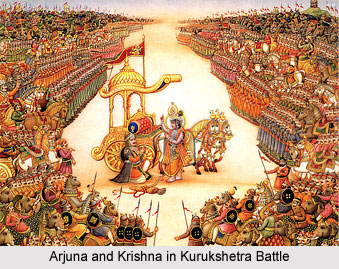
Kausika, Son of Vasudeva
Kausika is a minor figure in Hindu mythology and is identified in the Vishnu Purana as the only son of Vasudeva and his wife Vaishali. He is recognize...
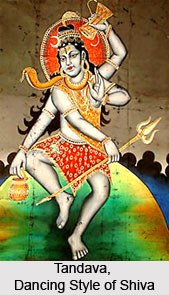
Tandu, Attendant of Lord Shiva
Tandu is revered as the divine attendant of Lord Shiva and the foremost exponent of the Tandava dance. According to the Natya Shastra, he instructed S...
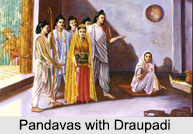
Niramitra, Mahabharata
Niramitra was a son of Nakula and Kareṇumati in the Mahabharata. A descendant of the Pandavas and the Kuru dynasty, he fought on the Pandava side duri...
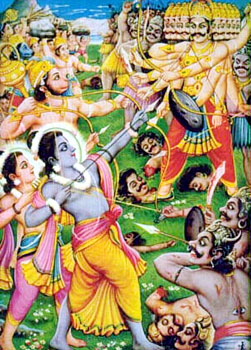
Mahodara, Ramayana
Mahodara was a prominent Rakshasa warrior, minister, and army chief who served under Rāvaṇa during the Battle of Lanka in the Ramayana. Celebrated for...
Related articles in Indian Puranas
Adhyayas in Agni Purana
Adhyayas in Agni Purana are all encompassing. The chapters have dealt with a variety of subjects related to human lives. A large number of chapters ha...
Indian Puranic Tribes
The existence of Indian Puranic tribes is often mixed with mythology and fiction that depict them as superhuman or sub.
Puranic Texts
Puranic Texts are vital according to Hindu, Jain or Buddhist religion; they describe the history of the Universe.

Puranic Shaivism
Puranic Shaivism established during the Gupta Dynasty. This puranic religion developed and expanded, and was accompanied by the development of Brahman...
Nilamata Purana
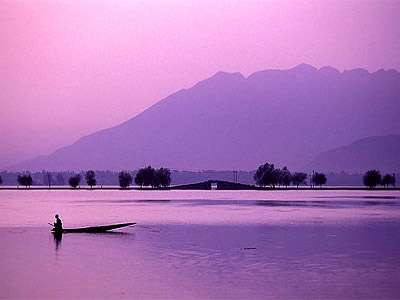
Nilamata Purana is a Kashmiri Purana that is referred by Kalhana. It is considered as one of the sources of ancient history of Kashmir.