 According to the book, Stri Parva, a detailed account of the pain and lament for the death has been given. When the evil characters of the great epic, Duryodhana ad Dushana lost their battle and they became the prey to their foe. Although Gandhari`s sons were portrayed as villains, the Mahabharata attributes high moral standards to Gandhari. It is being put forth in the Stri Parva that she repeatedly exhorted her sons to follow dharma and make peace with the Pandavas. Moreover, Gandhari especially had closer ties with Kunti who respected each other.
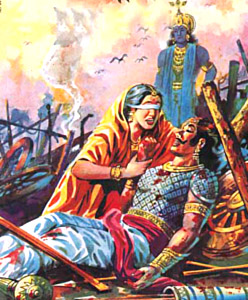
In the Stri Parva it is depicted that Gandhari made a single exception to her blindfolded state, when she removed her blindfold to see her son Duryodhana rendering his entire body except his side invulnerable to any foe. Apart from the mournful act, Gandhari was anguished in the loss of her hundred sons resulted in her cursing Lord Krishna. This parva also provides in sequence the wrath and power of Gandhari on his sons` death.
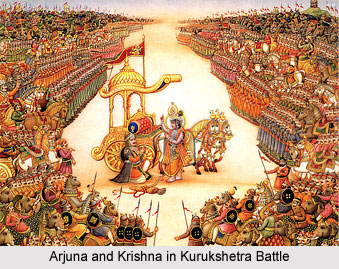
The Stri Parva also gives the information about Kunti, who was another sufferer after the battle of Kurukshetra. She was the mother of the eldest three Pandava brothers in the Indian epic Mahabharata. It has been rightly described in the Stri Parva that the men of Mahabharata played dice and waged wars in but it is the women who wieled power and influence. Moreover, it is explained that most of the decisions were taken by women and decided the fate of men. In the striparva it is insisted that the women are the true leaders of the Epic. The battle of Kurukshetra is termed as Dharma Yuddha. It is observed that at the end of the war very few warriors were alive and thus the women mourned the loss. Indeed, the theme of The Book of Women is the grief of the women left by warriors slain in battle. The book details the keening of palace ladies as they see their dead husbands and sons. In the Book of Women or Stri Parva the portrayal of the women`s grief leads into a crisis of conscience.