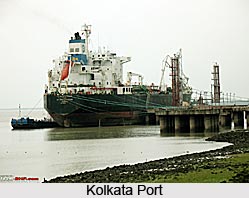
Development in Shipbuilding took place long before the arrival of the Europeans. It was a significant factor in the Indian maritime activity in the Indian Ocean region. The Indian ships were made of local timber especially teak from the western Indian forest. The ships were built basically for commercial purposes. Their design and construction were initially inferior as compared to that of the armed European merchant vessels that invaded Indian waters.
The usage of iron in Indian ships has been a subject of debate. European trade was a spur to Indian shipbuilding: vessels that were built in ports like Masulipatam and Surat by local craftsmen. They were cheaper and tougher as compared to their European counterparts. Local ships followed traditional construction methods. Those ships that were built for European and some of the Indian customers had Indian carpentry with European design. Ships that were built for Europeans employed the rabetting technique through which the edges of planks were inset to fit together in order to form a seamless, watertight hull. The use of coir ropes and the treatment of planks with lime were Indian contributions.
Indian shipyards produced several vessels between the seventeenth and early nineteenth centuries. Most of them were built in Bombay, where the East India Company had established a small shipyard. Parsi carpenters were brought from
Surat. In the second half of the eighteenth century displacements were being built there. During the Napoleonic wars it reached the peak of production. However post 1820 the Bombay shipyard declined. The yard had a bare existence building timber hulls in order to house imported steam-engines.
The decline of Indian shipbuilding was inevitable once iron hulls and steam-engines began to replace wooden sailing vessels. However it has been argued that demise of Indian shipbuilding was due to political influence and economic self-interest more than the consequences of technological innovation. The success of Indian shipbuilding alarmed British shipbuilders and shipping firms. In fact there was pressure on Parliament to restrict the entry of Indian vessels into British ports as well as to reprimand their cargoes. India`s shipbuilding industry was prevented from developing even despite it having a proven ability to adjust to changing technological needs. Shipbuilding was one of the routes through which Parsis moved from carpentry and other artis-anal trades to become patrons of modern technology.
The speed and reliability of steam navigation were fundamental to the British in north India. That was a time when overland communications was uncertain and slow. Steam navigation had its own limitations in India. Seasonal variations in the height and speed of India`s rivers, along with their sandbanks and shoals and the high costs of freight and passenger traffic, discouraged the development of this transport medium.
There were hardly any rivers in peninsular India that was suitable for steam navigation. On the
Brahmaputra River steam vessels were at their most effective which facilitated the emergence of the tea estates in
Assam. However steamboats became much more symbolic.

 India produces warships which are cheaper than those manufactured anywhere else in the world. This is because of the relatively lower labour rates and due to prices of equipment purchased from former Soviet Union and Russia has been highly competitive and economical to the country. On an average the shipyard effort in a shipbuilding programme is about forty percent of the total cost.
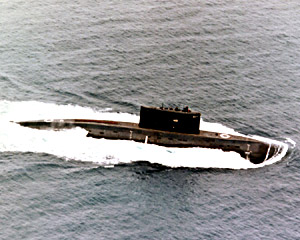 Warship design and building is a primary concern under Indian Navy, resting huge importance to train specialists. Warships occupy primary position under the shipping companies, making the Navy own several sophisticated class of ships necessary for combat at sea. Leaving aside impediments, warships are successfully built each year, looking towards a shining future.