
The yogic principles are firmly established when the effort is continued in accordance with yogic principles consistently and for a long time, with earnestness, attention, application and devotion. This theme is further contoured in the fourteenth yoga sutra of Patanjali Yoga.
Sa this
Tu and
Firghakala for a long time
Nairantarya without interruption, continuous
Satkara dedication, devotion
Asevitah passionately practised, performed diligently
dhabhumih of firm ground, firmly rooted, well fixed
Long, uninterrupted, alert practice is the firm establishment for restraining the fluctuations.
Insightful wisdom is acquired through unfaltering, dedicated, attentive practice, and non-attachment through applied restraint. However, success may blow up the sadhak`s ego, and he should be careful not to become a victim of intellectual pride, which may drag him away from enlightenment. If this happens, he should re-establish his practice by taking supervision from a skilled master, or through his own discrimination, so that humility replaces pride and spiritual wisdom dawns. This is correct practice.
Sa tu dirghakala nairantarya satkara asevitah drdhabhumih
It is the fourteenth yoga sutra that is contained in Patanjali Yoga Sutras.
Recently updated articles in Yoga
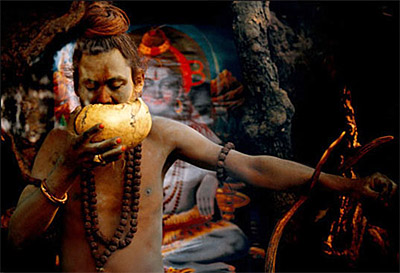
Khanda Manda Yoga
Khanda Manda Yoga is a difficult form of yoga where the Yogi cuts off his own arms and legs with a sharp cleaver, that is axe-like knife, and throws t...

Kaivalya Pada
Kaivalya Pada, the fourth chapter of Patanjali Yoga Sutra denotes an absolute, indivisible state of existence of the Yogi. The Kaivalya Pada is someti...
Vibhuti Pada
Vibhuti is the Sanskrit term for “power” or “manifestation.” In this third chapter, Patanjali introduces the final three limbs of Aṣṭanga Yoga, collec...

Sadhana Pada
Sadhana Pada in Patanjali Yoga Sutra denotes the idea of practicing yoga that leads to spiritual illumination. Sadhana, the Sanskrit term for “practic...
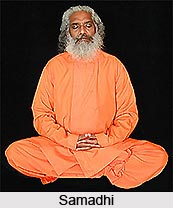
Samadhi Pada
Samadhi Pada is the first chapter of Patanjali Yoga Sutra. In this chapter, the author explains the essence of yoga, the nature of samadhi, and the me...
Related articles in Yoga
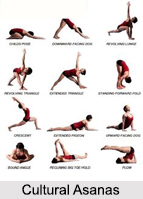
Cultural Asanas
Cultural Asanas refer to the daily physical exercise postures that train the body and mind in Yoga Practice.
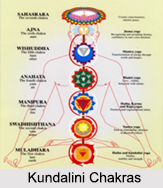
Kundalini Chakras
Kundalini Chakras are psychic energy centres or vortices, which connect between our psychic and physical energy systems.
Patanjali Yoga Sutras
Patanjali’s Yoga Sutras presents a foundational guide to the philosophy and practice of yoga. Through concise aphorisms, it outlines the nature of the...
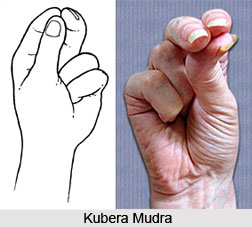
Kubera Mudra
Kubera Mudra, a form of Hatha Yoga, leads to the elevation of mental peace and physical relief by proper practice and cleanses frontal sinuses.