
Puranjaya was a king of Ayodhya and the son of Vikukshi. He was regarded as a very powerful King. Once when the Gods and Demons fought, Indra asked Puranjaya`s help. Puranjaya said that Indra needs to be his vehicle and then he would fight the demons. Indra took the form of an Ox. Puranjaya rode Him and defeated the demons. He gave all the riches, kingdoms that he obtained to Indra. Since Puranjaya rode on the hump of the Ox, he is also called as Kakutsth. He is also called as Indravah since Indra was his Vahana.
Puranjaya was also the name of a prince who was the son of Srinjaya.
Again, Puranjaya was a Yavana chief, the son of Vindhyasakti.
This article is a stub. You can enrich by adding more information to it. Send your Write Up to content@indianetzone.com
Puranjaya
Puranjaya was a king of Ayodhya and the son of Vikukshi.
Recently updated articles in Indian Puranas
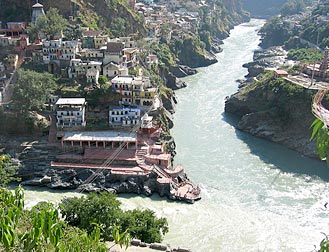
Mandakini, Holy River
Mandakini River is a significant Himalayan river in Uttarakhand, renowned for its ecological, cultural, and religious importance. Originating near the...
Kausika, Son of Vasudeva
Kausika is a minor figure in Hindu mythology and is identified in the Vishnu Purana as the only son of Vasudeva and his wife Vaishali. He is recognize...
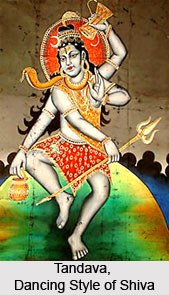
Tandu, Attendant of Lord Shiva
Tandu is revered as the divine attendant of Lord Shiva and the foremost exponent of the Tandava dance. According to the Natya Shastra, he instructed S...
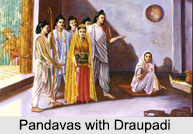
Niramitra, Mahabharata
Niramitra was a son of Nakula and Kareṇumati in the Mahabharata. A descendant of the Pandavas and the Kuru dynasty, he fought on the Pandava side duri...
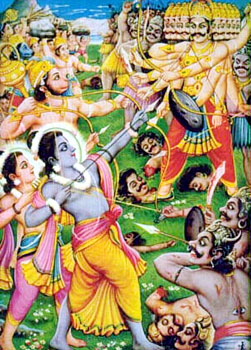
Mahodara, Ramayana
Mahodara was a prominent Rakshasa warrior, minister, and army chief who served under Rāvaṇa during the Battle of Lanka in the Ramayana. Celebrated for...
Related articles in Indian Puranas
Adhyayas in Agni Purana
Adhyayas in Agni Purana are all encompassing. The chapters have dealt with a variety of subjects related to human lives. A large number of chapters ha...
Indian Puranic Tribes
The existence of Indian Puranic tribes is often mixed with mythology and fiction that depict them as superhuman or sub.
Puranic Texts
Puranic Texts are vital according to Hindu, Jain or Buddhist religion; they describe the history of the Universe.

Puranic Shaivism
Puranic Shaivism established during the Gupta Dynasty. This puranic religion developed and expanded, and was accompanied by the development of Brahman...
Nilamata Purana
Nilamata Purana is a Kashmiri Purana that is referred by Kalhana. It is considered as one of the sources of ancient history of Kashmir.