
Padartha is also referred to a particular object belonging to a type of entity. These categories are Dravya, guna, karma, Samanya, samavaya, vishesha and Abhava. The first three types are defined as artha or something which can perceived and have real objective existence. The last three are defined as budhyapeksam or product of intellectual discrimination and they are logical.
The six categories of Padartha are described below:
Dravya: There are nine substances in number. They are prithivi, ap, tejas, vayu, Akasa, Kala, dik, atman and manas.
Guna: There are seventeen qualities. A guna cannot exist independently by itself.
Karma: The karmas like gunas that have no separate existence. An activity is transient Samanya: When a property is common to many substances, it is called Samanya
Vishesha: Through visesha one is able to perceive substances different from one another. They are innumerable.
Samavaya: The relation of samavaya cannot be perceived but can only be inferred from the inseparable connection of the substances.
If it is said that Red Rum is a horse, then it is categorised as a substance. If it is said that it is a shining example of the family of horses, then it is an instance of the generic property. The generic property horseness is a different kind of thing from the objects that it characterizes. Colours and other qualities are objective realties. The property brown is different from objects that are brown in colour. Categorical distinctions between properties and the individual objects possessing them are one of the key points that distinguish most Hindu philosophers from their Buddhist opponents.
This article is a stub. You can enrich by adding more information to it. Send your Write Up to content@indianetzone.com
Padartha
Padartha means category of entities and according to Vaiseshika Philosophy, these are the types of objectively basic features that organise, structure and give identity to individual objects in the cosmos.
Recently updated articles in Indian Philosophy
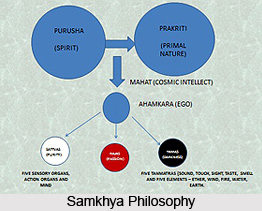
Samkhya Philosophy
Samkhya philosophy is one of India’s oldest intellectual traditions, explaining reality through the interplay of Puruṣha (pure consciousness) and Prak...
Maya, Prakriti in Hinduism
Maya or illusion is a very potent instrument of the Divine Prakriti, the Primal nature. In Hinduism one must be able to come out of Maya in order to a...

Samadhi in Hinduism
Samadhi is the result of meditation or that state of mind when there is an absence of all idea of individuality.
Samadhi in Buddhism
According to Buddhism, oen can only achieve samadhi through strict meditation and right concentration.

Abdul Rehman Jilani Dehlvi
Syed Abdul Rehman Jilani Dehlvi was a renowned Sufi saint of the Qadri Order in India.
Related articles in Indian Philosophy

Ajivika Philosophy
Ajivika philosophy is different from the mainstream religion
Indian Philosophy In The Vedic Period
Indian Philosophy in the Vedic Period was primarily based on the concepts of nature worship.
Achintya Bheda Abheda Philosophy
Achintya-Bheda-Abheda is a School of Vedanta that represents the philosophy of unimaginable one-ness and difference in relation to the power creation...
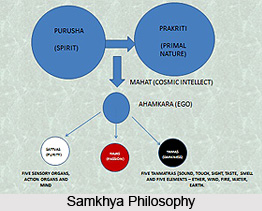
Samkhya Philosophy
Samkhya philosophy is one of India’s oldest intellectual traditions, explaining reality through the interplay of Puruṣha (pure consciousness) and Prak...
Charvaka Philosophy
The Charvaka Philosophy believes that only those things that can be perceived is the ultimate reality.