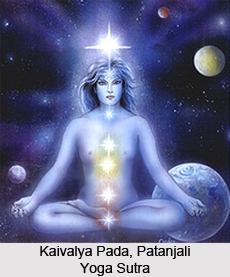
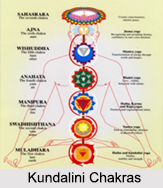
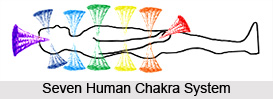
 There are a series of meditative exercises to be used in opening and developing the chakras. It may be performed alone or with other people.
If a specific area hurts, it is better not to message it; it is best just to send energy into it, either mentally or from the ends of one`s fingers, breaking down the energy form causing the sting. The body sends a restrained communication. In touch with it, one will sense what to do and what not. But even when one listens, if the body retorts to pain and one doesn`t deal with that area, the energy may cause disease or ailment. If the energy is too frozen, too closed up, or too constipated, one can attract accidents that release it. Much exhaustion and pain may happen in the physical chakras. The body has a strong sense of self-healing; given appropriate time and tools, it will come around. Astrological energies, diet, overwork or general inattentiveness to the body also regulates one`s physical well being.
Bodies are living machines. Like any living machine, there are knobs to pull or buttons to push. The chakras are the buttons and knobs of the human machine. One`s way of living and relating to life is influenced very heavily by chakra flow. Through the ejection of energy these exercises produce, one will become conscious how very important the chakras are in life, understanding in the process how one blocks oneself from life and consciousness, how one heightens the present, or how, just by chakra flow, one opens oneself to new things. As one tunes into the chakras, it is best to let one`s consciousness be with them and let the energy or consciousness of the chakra answer themselves. The Physical Body, Emotional Body, Mental Body, Intuitional/Compassionate Body, Will/Spirit Body, Soul Body, Divine Body are the seven types of bodies.