
The Mogs inhabit in western border of Aizawl district of Mizoram. Majority of them reside in southern part of Tripura and Chittagong Hills of Bangladesh. Their dialect resembles the Arakanese.
The Mog Tribe has their personal language and personal scripts. They follow Buddhism but they also worship Hindu deities like mother Ganga, Goddess Kali etc. They have their own headman and village council whom they elect. They call their headman as Bonaraug (Choudhury or Tahsildar). The basis of election of the person is the property and social status.
The Mogs reside in the plains. They have big dormitories for boys where they usually stay. Girls are allowed inside these dormitories but they are not permitted to stay back at night. The Mog men dress in a loin cloth dhoti that resembles the style of the Burmese. They also wear a genji and a small piece of cloth called the head gear. They put the head gear usually in the manner of an Assamese youth. Women dress in two pieces of clothes to cover upper and lower part of their body. Their dressing style seems to be fanek of a Meithei-Manipuri and mekhala of an Assamese. They wear blouse with an orna. Occasionally they also put headgear which covers upto their forehead. They also wear gold bangles, ear-rings, necklace to decorate themselves.
The Mogs have two endogamous divisions. The Mog has a clan Palamsa which is further sub-divided into two exogamous sub-clans. They practice three types of marriages. They are marriage by negotiation, marriage by service and love-marriage. Widow re-marriage and divorce is acceptable among them. They cremate their deceased ones after performing the funeral rites. After seven days of the death of the person they observe Aivaan with the assistance of their priest. They arrange for a feast for the priest and others. The eldest son is entitled to get half of his father`s property and the remaining half is equally divided among the other sons. Among them the eldest daughter acquires half of the share of the ornaments of her mother and the rest is equally divided among other daughters.
Mog Tribe in India
Mog Tribes residing in the western border of Aizawl district are followers of Buddhism but they also worship Hindu deities.
Recently updated articles in Tribes of India
Arakh Tribe
Arakh Tribe is one of the ancient tribes located in several parts of central India. Their origin dates back to the Tughlaq era. Arakh tribe appears to...
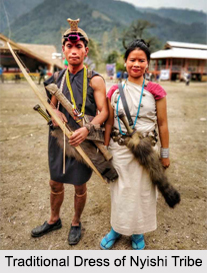
Traditional Dress of Nyishi Tribe
Traditional Dress of Nyishi Tribe is worn during festivals and social gathering. Men wear a cane helmet surmounted with the beak of the great Indian H...
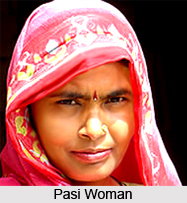
Pasi Community
Pasi is an aboriginal race of India and are mainly distributed over the northern region of the country. The traditional occupation of Pasi is the extr...

Bhojas
Bhojas have been described as a very important tribe in the Aitareya Brahmana. Historical records have said that the Bhojas were settled towards the s...
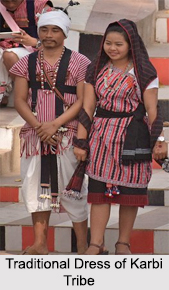
Traditional Dress of Karbi Tribe
Traditional Dress of Karbi Tribe can be easily recognized by the artistic designs inherited from their forefathers. Karbis have their own traditional...
Related articles in Tribes of India
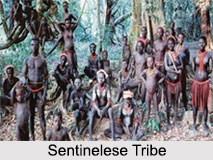
Sentinelese Tribe
Sentinelese tribal community is one of the most isolated and secluded tribes that are found in the whole world.
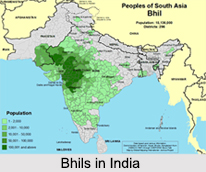
Bhil Tribe
The people of the Bhil tribe are the most widely distributed tribal groups in India.
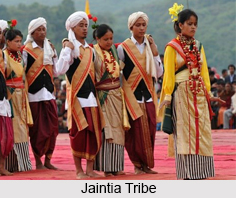
Jaintia Tribe
Jaintia Tribes are located in the Jaintia Hills of Meghalaya. They are also called the Pnars. They are famous for weaving of carpet, making of musical...
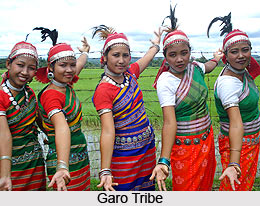
Garo Tribes
Garo Tribes are one of the matrilineal tribes of North-East India who reside in the Garo hills of Meghalaya. Historically, the tribe originated in Tib...
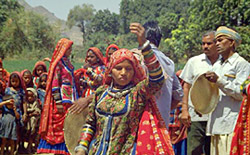
Garasia Tribe
The Garasia tribal community holds a significant position within Indian culture, renowned for their distinctive way of life and rich cultural heritage...