
Kausitaki Upanishad belongs to Kausitaki branch of Rig Veda. This text is a Samanya Upanishad. This Upanishad is a part of Kaushitaki Aranyaka which is again a part of the Kaushitaki Brahmana. The importance of Prana, the breathing spirit is taught by sage Kaushitaki. Prana is identified with immortal and ageless intelligential-self.
Kausitaki Upanishad
Kausitaki Upanishad is a part of the Brahmanas of the Rig Veda. It is believed one of the primary Upanishads.
Introduction
First Chapter, Kausitaki Upanishad
Kausitaki Upanishad belongs to Kausitaki branch of Rig Veda. This Upanishad is a part of Kaushitaki Aranyaka that is again a part of the Kaushitaki Brahmana. Kaushitaki Aranyaka comprises 15 chapters. Here the sage Kaushitaki taught about the importance of Prana, the breathing spirit. Prana here is the real self and is immortal and ageless. In the first chapter of Kausitaki Upanishad Chitra Gargyayani explains about Brahma and the real self to the priest Arni.
According to the story of the first chapter once Chitra Gargyayani, the son of Gangya wished to offer a sacrifice and hence chose Arnni as his priest. Aruni sent his son Svetaketu to perform the sacrifice. When he sat for the sacrifice, Gargyayani asked him is there any abode in the world where he can set him. He however, replied that as he was unaware he needs to consult his father. His father too was unaware of the answer. Hence he thought of their Vedic studies in his residence and get the required information. Then, with fuel, in hand Aruni returned to Chitra Gargyayani and asked him to accept him as his pupil. He told Chitra that as he was worthy of sacred knowledge he shall reply to his questions.
Chitra Gargyayani then replied that whoever departs from the world go to the moon. In the earlier half of the lunar month the moon flourished on their breath and then in the later half, it causes them to be reproduced. The moon here is the door of the heavenly world. He who accepts it is set free but who rejects it rains down. Later he becomes a worm or an insect or a fish, or a bird, or a lion, or a boar, or a snake or a tiger or a person or some other in this or that condition according to his deeds and knowledge. When the sage asked who he was, Chitra replied that seeds were collected from the wise season ordaining moon and placed in a man. Later the man placed it in a woman, from whom he was born. He then said that one needs to know the knowledge that is truth and to know the knowledge that is against the truth.
He further says that having reached the divine road he goes into the world of Agni (fire), then to the world of Vayu (air), then to the world of Varuna, then to the world of Indra, then to the world of Prajapatit and then to the world of Brahma. The world of Brahma has a lake of Ara or enemies, the sacrifice-destroying moments; the Age-less river ; the Ilya tree; the Salajya city; the impregnable Palace; the door keepers Indra and Prajapati; Brahma`s hall Vibhu; his throne Vichakshana, his coach of Amitaujas, the mothers, the nurses, the nymphs and the rivers. The person who is well aware of these advances forth.
Five hundred Apsarasas go to meet him, with fruits, perfumes, garlands, garments, aromatics. They adorn him with the ornaments of Lord Brahma. He comes to the lake of enemies, and crosses it by his mind. Those who only know the present sink. Just as one driving swiftly in a chariot looks down on the two wheels revolving, so too he looks down on day and night, on good deeds and bad deeds, and on all the pairs ; he, free from good deeds, free from bad deeds, knowing Brahma, advances toward Brahma. Just as one driving a chariot looks at the wheel of the chariot, he looks upon day and night; upon good deeds and evil deeds and upon of pairs of opposites. Thus, the knower of Brahman, devoid of good deeds, devoid of evil deeds, goes on to Brahman.
It is explained that Self is Truth; it is the Self of all and is Brahman. He is the real one. He is thus expressed by the word satyam.
According to the story of the first chapter once Chitra Gargyayani, the son of Gangya wished to offer a sacrifice and hence chose Arnni as his priest. Aruni sent his son Svetaketu to perform the sacrifice. When he sat for the sacrifice, Gargyayani asked him is there any abode in the world where he can set him. He however, replied that as he was unaware he needs to consult his father. His father too was unaware of the answer. Hence he thought of their Vedic studies in his residence and get the required information. Then, with fuel, in hand Aruni returned to Chitra Gargyayani and asked him to accept him as his pupil. He told Chitra that as he was worthy of sacred knowledge he shall reply to his questions.
Chitra Gargyayani then replied that whoever departs from the world go to the moon. In the earlier half of the lunar month the moon flourished on their breath and then in the later half, it causes them to be reproduced. The moon here is the door of the heavenly world. He who accepts it is set free but who rejects it rains down. Later he becomes a worm or an insect or a fish, or a bird, or a lion, or a boar, or a snake or a tiger or a person or some other in this or that condition according to his deeds and knowledge. When the sage asked who he was, Chitra replied that seeds were collected from the wise season ordaining moon and placed in a man. Later the man placed it in a woman, from whom he was born. He then said that one needs to know the knowledge that is truth and to know the knowledge that is against the truth.
He further says that having reached the divine road he goes into the world of Agni (fire), then to the world of Vayu (air), then to the world of Varuna, then to the world of Indra, then to the world of Prajapatit and then to the world of Brahma. The world of Brahma has a lake of Ara or enemies, the sacrifice-destroying moments; the Age-less river ; the Ilya tree; the Salajya city; the impregnable Palace; the door keepers Indra and Prajapati; Brahma`s hall Vibhu; his throne Vichakshana, his coach of Amitaujas, the mothers, the nurses, the nymphs and the rivers. The person who is well aware of these advances forth.
Five hundred Apsarasas go to meet him, with fruits, perfumes, garlands, garments, aromatics. They adorn him with the ornaments of Lord Brahma. He comes to the lake of enemies, and crosses it by his mind. Those who only know the present sink. Just as one driving swiftly in a chariot looks down on the two wheels revolving, so too he looks down on day and night, on good deeds and bad deeds, and on all the pairs ; he, free from good deeds, free from bad deeds, knowing Brahma, advances toward Brahma. Just as one driving a chariot looks at the wheel of the chariot, he looks upon day and night; upon good deeds and evil deeds and upon of pairs of opposites. Thus, the knower of Brahman, devoid of good deeds, devoid of evil deeds, goes on to Brahman.
It is explained that Self is Truth; it is the Self of all and is Brahman. He is the real one. He is thus expressed by the word satyam.
Second Chapter of Kausitaki Upanishad
Kausitaki Upanishad is one of the earlier, primary Upanishads that belongs to the Kausitaki group of the Rig Veda. The Kausitaki Upanishad has been divided into four chapters. In the second chapter here the knowledge of Prana and certain external and internal actions of the Supreme Power have been explained.
According to Kausitaki Prana is identical with Brahma; the mind is the messenger, the eye the guard, the ear the doorkeeper, the speech the encloser. He who verily knows mind as the messenger of this Vital Breath that is Brahma becomes the messenger. He who knows eye as the protector becomes possessed of a protector; he who knows the ear as the announcer becomes possessed of an announcer: he who knows speech as the encloser becomes possessed of an encloser. To this vital Breath as Brahma all these gods (i.e., mind, age, ear, speech) bring offerings unbegged. Thus one should not beg.
Next follows the attainment of some special wealth. If a man meditates on some special wealth; then, on a full moon or a new moon, or an auspicious constellation -on one of these holy seasons, having placed the fire, swept the sacrificial floor, strewn the sacred grass, sprinkled the holy water, kneeling on the right knee, let him offer the oblations of ghee with the sruva. Then comes the divine desire (Daivah Smarah). If a worshipper desires to be beloved by any man or woman, then on a sacred day in the name of these same deities, let him offer the oblations of ghee by reciting some mantras.
Following is the self-subjection of Pratardana; they call it the inner Agnihotra.` As long as a man speaks, so long he cannot breathe, then he offers the breath in the speech; as long as a man breathes, so long he cannot speak, and then he offers the speech in the breath. These are the two never ending immortal oblations. Next are three forms of worship of the all conquering Kausitaki. The all conquering Kausitaki adores the rising sun, having put on the sacrificial thread and brought water and sprinkle it thrice. By doing this whatever sin he commits by day or by night he completely scatters away. Next on the day of the full moon let the person adore the moon when it is seen in front of him. He is Soma, the brilliant, the wise, the five mouthed, the lord of creatures.
On the night of the full moon one should worship in the same way the moon as it appears in the east. One must turn himself with the turn of the gods. Now, when about to lie down with a wife one should touch her heart. When returning after an absence from home, a man smells his son`s head saying that he has arose from the his limbs.
Next Prana is referred to as the death of the deities. This Brahma shines forth when the fire blazes, it dies when it blazes not; the splendour of the fire goes to the sun, the Prana goes to the wind. This Brahma shines forth when the bud is seen and dies when it is not seen. The sun`s splendour goes to the moon, the Prana to the wind. In this way all the deities, thus enter into Prana and die in Prana.
Next, comes the accepting the pre-eminence of Prana. These deities, contending each for its own pre-eminence, went out from this body. Speech, sight, mind, and then prana entered into it. All, these deities, having recognised the pre-eminence to be in prana, having honoured Prana as alone the soul of knowledge, went out from this body with all these. They having entered into the wind, having the nature of space went to the heavenly world
Next follows the father`s traditions towards the son. The father, about to die, calls his son. After making all the required arrangements he calls his son. The father then delivers his organs to him like his speech, breath, sight, hearing, flavours of food, actions, pleasure and pain, enjoyment, dalliance and offspring, walking, mind, vital airs. The son accepts them all. Then the son goes out with his father. He walks with his father keeping his right side towards him. The father blesses his son that he may be blessed with glory, holiness and honour.
According to Kausitaki Prana is identical with Brahma; the mind is the messenger, the eye the guard, the ear the doorkeeper, the speech the encloser. He who verily knows mind as the messenger of this Vital Breath that is Brahma becomes the messenger. He who knows eye as the protector becomes possessed of a protector; he who knows the ear as the announcer becomes possessed of an announcer: he who knows speech as the encloser becomes possessed of an encloser. To this vital Breath as Brahma all these gods (i.e., mind, age, ear, speech) bring offerings unbegged. Thus one should not beg.
Next follows the attainment of some special wealth. If a man meditates on some special wealth; then, on a full moon or a new moon, or an auspicious constellation -on one of these holy seasons, having placed the fire, swept the sacrificial floor, strewn the sacred grass, sprinkled the holy water, kneeling on the right knee, let him offer the oblations of ghee with the sruva. Then comes the divine desire (Daivah Smarah). If a worshipper desires to be beloved by any man or woman, then on a sacred day in the name of these same deities, let him offer the oblations of ghee by reciting some mantras.
Following is the self-subjection of Pratardana; they call it the inner Agnihotra.` As long as a man speaks, so long he cannot breathe, then he offers the breath in the speech; as long as a man breathes, so long he cannot speak, and then he offers the speech in the breath. These are the two never ending immortal oblations. Next are three forms of worship of the all conquering Kausitaki. The all conquering Kausitaki adores the rising sun, having put on the sacrificial thread and brought water and sprinkle it thrice. By doing this whatever sin he commits by day or by night he completely scatters away. Next on the day of the full moon let the person adore the moon when it is seen in front of him. He is Soma, the brilliant, the wise, the five mouthed, the lord of creatures.
On the night of the full moon one should worship in the same way the moon as it appears in the east. One must turn himself with the turn of the gods. Now, when about to lie down with a wife one should touch her heart. When returning after an absence from home, a man smells his son`s head saying that he has arose from the his limbs.
Next Prana is referred to as the death of the deities. This Brahma shines forth when the fire blazes, it dies when it blazes not; the splendour of the fire goes to the sun, the Prana goes to the wind. This Brahma shines forth when the bud is seen and dies when it is not seen. The sun`s splendour goes to the moon, the Prana to the wind. In this way all the deities, thus enter into Prana and die in Prana.
Next, comes the accepting the pre-eminence of Prana. These deities, contending each for its own pre-eminence, went out from this body. Speech, sight, mind, and then prana entered into it. All, these deities, having recognised the pre-eminence to be in prana, having honoured Prana as alone the soul of knowledge, went out from this body with all these. They having entered into the wind, having the nature of space went to the heavenly world
Next follows the father`s traditions towards the son. The father, about to die, calls his son. After making all the required arrangements he calls his son. The father then delivers his organs to him like his speech, breath, sight, hearing, flavours of food, actions, pleasure and pain, enjoyment, dalliance and offspring, walking, mind, vital airs. The son accepts them all. Then the son goes out with his father. He walks with his father keeping his right side towards him. The father blesses his son that he may be blessed with glory, holiness and honour.
Third Chapter of Kausitaki Upanishad
Kausitaki Upanishad belongs to the Kausitaki group of the Rig Veda. The Kausitaki Upanishad has been divided into four chapters. The third chapter imparts the knowledge of soul. Here a conversation takes place between Pratardana and Lord Indra.
Pratardana, the son of Divodasa, by fighting and virility, reached the beloved abode of Lord Indra. Indra told him to select a boon. Pratardana told him to choose and give him that is best for the man. Indra told him to choose for himself.
Indra did not swerve from the truth, for Indra is truth. He said verity knows him, he slew the three headed son of Twashtri and he was unharmed. He then said that the person who knows him will never be harmed. Indra said he is Prana hence he must be worshipped as identical with knowledge, as life, as immortal. While Prana abides in this body, life abides. Thus, when speech speaks, all the Pranas speak after it; when the eye sees, all the Pranas see after it; when the ear cars, all the Pranas hear after it; when the mind thinks, all Pranas think after it; when the breath breathes all the Pranas breathe after it.
Prana is identical with knowledge (prajna). Having assumed this body it raises it up, therefore it allows men worship this as Uktha. Prana is completed associated with knowledge. All names, which are verily speech, are left in him, by speech he obtains all names; all odours, which are verily Prana, are left in him, by Prana he obtains all odours; all forms, which are verily the eye, are left in him, by the eye he obtains all forms; all sounds, which are verily the ear, are left in him, by the car he obtains all sounds; all thoughts, which are verily the mind, are left in him, by the mind he obtains all thoughts. Together they two dwell in this body; together they two depart from it.
The verse also explains about the all the humans being absorbed in the same knowledge. The Prana is prajna, it is joy, it is eternally young, and immortal; it cannot be increased by good deeds it cannot not be increased by bad deeds. Verily him it causes to do good deeds, which it desires to uplift from these worlds; while him it causes to do bad deeds that it desires to sink down. This is the guardian of the world and this is the soul that is associated with it.
Pratardana, the son of Divodasa, by fighting and virility, reached the beloved abode of Lord Indra. Indra told him to select a boon. Pratardana told him to choose and give him that is best for the man. Indra told him to choose for himself.
Indra did not swerve from the truth, for Indra is truth. He said verity knows him, he slew the three headed son of Twashtri and he was unharmed. He then said that the person who knows him will never be harmed. Indra said he is Prana hence he must be worshipped as identical with knowledge, as life, as immortal. While Prana abides in this body, life abides. Thus, when speech speaks, all the Pranas speak after it; when the eye sees, all the Pranas see after it; when the ear cars, all the Pranas hear after it; when the mind thinks, all Pranas think after it; when the breath breathes all the Pranas breathe after it.
Prana is identical with knowledge (prajna). Having assumed this body it raises it up, therefore it allows men worship this as Uktha. Prana is completed associated with knowledge. All names, which are verily speech, are left in him, by speech he obtains all names; all odours, which are verily Prana, are left in him, by Prana he obtains all odours; all forms, which are verily the eye, are left in him, by the eye he obtains all forms; all sounds, which are verily the ear, are left in him, by the car he obtains all sounds; all thoughts, which are verily the mind, are left in him, by the mind he obtains all thoughts. Together they two dwell in this body; together they two depart from it.
The verse also explains about the all the humans being absorbed in the same knowledge. The Prana is prajna, it is joy, it is eternally young, and immortal; it cannot be increased by good deeds it cannot not be increased by bad deeds. Verily him it causes to do good deeds, which it desires to uplift from these worlds; while him it causes to do bad deeds that it desires to sink down. This is the guardian of the world and this is the soul that is associated with it.
Recently updated articles in Indian Literature
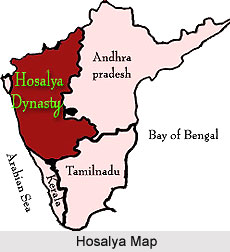
Gadyakarnamrita
Gadyakarnamrita is a 13th-century Sanskrit literary work written mainly in prose. It describes the ninety-day battle at Srirangam between the Hoysala...
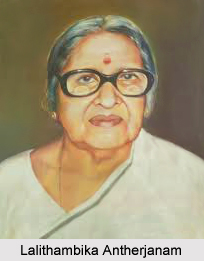
Women Writers in Malayalam Literature
Women writers in Malayalam literature have worked incessantly to make a place for their literary works. In the earlier periods, they were completely o...
Comrade Kirillov, Novel by Raja Rao
Comrade Kirillov, a distinctive creation of Raja Rao, is presented as a brief yet incisive novelette that offers an ironic portrayal of the self-contr...
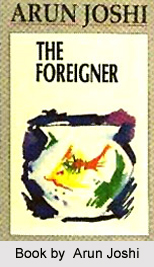
The Foreigner, Novel by Arun Joshi
“The Foreigner” is a book authored by Arun Joshi and published by Vision. It is an illustrious creation in the entire career of Arun Joshi, the famous...
Short Story in Telugu Literature
Short Story in twentieth century Telugu Literature was extremely popular and growing in and developing in a major way. Their popularity was greatly fa...
Related articles in Indian Literature
Mythological Themes in Indian Literature
Mythological themes in Indian literature have been integral to every ancient and contemporary writer and their path to f
Literature During Gupta Age
It is during the Gupta Age literature in the form of poetry, epos and drama gained a colossal importance.
Literature of Aravidu Dynasty
Sanskrit and Telugu were the popular literary medium of communication during Aravidu dynasty.
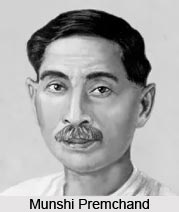
Munshi Premchand
Munshi Premchand was a legendary Indian writer notable for his modern Hindustani literature. A writer of a very high caliber, Premchand`s writings hav...
Sanskrit Poets
The names of some of the Sanskrit Poets are Bharavi, Devarshi Ramanath Shastri, Jayadeva and Srinivas Rath.