 Isa or Isavasya Upanishad is the smaller Upanishad with eighteen poems only but it is one of the most important one as it is often quoted. It is also named as Ishopanishad and is considered as Sruti as in Hindu tradition the followers remember it only by listening. Isa Upanishad derives its name from the very first word of the first verse of it. The word `Isa` means Lord of the universe. The Upanishad begins with the majestic and jubilant declaration that the Supreme Lord, which is expressed in Sanskrit as "Isavasyam Idam Sarvam", envelops the whole world.
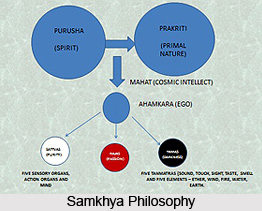
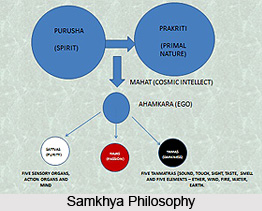
The Isa Upanishad is present within the final `Adhyaya`(chapter) of the White Yajurveda. Isa Upanishad contains a wide spectrum of philosophy, religion, ritualism and metaphysics in a brief manner. It contains an advanced stage of doctrine that Universe belongs to the Lord. Isa Upanishad is one of the later `mukhya`(main) Upanishad, which is thought to be of Mauryan times. It is also the predecessors of the later Samkhya philosophy.
The Isa Upanishad gives a very convincing and logical argument of the purpose of our living in the world and also gives the reason as to why should we perform our duties without being much attached. This argument is very simple but authentic. Since the Supreme Lord is omnipresent and omnipotent and controls the whole world dynamically, nothing belongs to us and nothing can be performed by us on our own only. Thereby the Rishi utters -" And he who beholds all beings in the Self, and the Self in all beings, he never turns away from it…When to a man who understands, the Self has become all things, what sorrow, what trouble can there be to him who once beheld that unity…He (the Self) encircled all, bright, incorporeal, scathe less, without muscles, pure, untouched by evil; a seer, wise, omnipresent, self-existent, he disposed all things rightly for eternal years."
The last three verses of the Upanishad deal with death and departure of the soul from the body. They elicit pathos when read and chanted during Hindu cremation ceremonies- "Now may my breath return to the all-pervading, immortal Prana! May this body be burnt to ashes! Om. O mind, remember; remember all that I have done.
O Fire, lead us by the good path for the enjoyment of the fruit of our action. You know, O god, all our deeds. Destroy our sin of deceit. We offer, by words, our salutations to you."