
The period from the eighth century to 1074 AD is identified as the ancient period of Manipuri Literature. This was the period when the dialect of the Ningthoujas attained the status of the standard norm. The early Manipuri Literature consisted of only folk and poetries. The early medieval period ranges from 1074 to 1709 AD. During the late medieval period (post1709 A.D) the Manipuri literature witnessed a new phase. The Burmese had arrived. After the British invasion the modern period began in Manipuri literature as it had British influence. Thereafter the short stories and novels became popular in the Literature of Manipur.
Meitei-mayek was the script that was used up to the 18th century. Later the Eastern Nagari or Bengali script was adopted for scripting Manipuri which is also used till now. Manipuri grammar is simple and interesting; the phonological system of the Manipuri language is divided into three levels- Vowels, Consonants and Tones. All the nouns, in Manipuri grammar are free roots. There is no gender in Manipuri, the human and animate nouns are addressed based on the natural sex.
Early Manipuri literature consists mainly of folk and religious poetry. Some of the earliest works in Manipuri are Numit Kappa (10th century), Naotinkhon Phambal Kaba (16-17th century), Lethak Lekharol (17th century) and Pantoibi Kangul (17th century).
Govindram Nunganba is one of the leading Manipuri poets of the 18th century. His Takhel Ngamba is the first historical ballad in Manipuri. Khwairakpam Chaoba Singh, Lamabam Kamal Singh and Hijam Anganghal Singh are the three most important Manipuri poets of the 20th century. Hijam Anganghal Singh is an essayist and dramatist who is known for his masterpiece Khamba Thoibe Sheireng (1940), which is a poem of 39,000 lines. It is considered as the `national` epic of the Manipuris.
Khwairakpam Chaoba Singh is most prominent writer of modern Manipuri literature. His historical novel Lavangalata is an outstanding work in Manipuri. His other works are Vakhalgi Icel, Vakhal, Phidam, Kannaba Va and Chhatramacha. Lamabam Kamal Singh`s Madhavi (1930) is the first Manipuri novel in Modern literature. Lai Pareng (1931) is considered as one of the most important poetical works of twentieth century. Arambam Dorendrajit Singh is a poet and dramatist whose works include three dramas: Miorang Thoibi, Bhagyachandra and Kaurav Parajay and two epic poems: Kansa Badha and Subhadra Haran. L. Samarendra Singh is a forerunner of modern Manipuri poetry. He is known for his poetic introduced a new trend in Manipuri novel by initiating contemporary social problems instead of the romantic atmosphere that was the theme in the Manipuri novel in the first half of the 20th century. He is known for his novel `Na Tathiba Ahal Ama`.
Manipuri Literature
Manipuri Literature has evolved since it inception in the early eighth century. It has been influenced by various movements.
About Manipuri Literature
History of Manipuri Literature
History of Manipuri Literature can be traced back to the eighth century. Puya Meithaba is a part of the history of Manipuri Literature. The period from the eighth century to 1074 AD is the old phase of the Manipuri Literature. The Puya Meithaba was destroyed in 1729, during the reign of Meidingu Pamheiba. Thereafter began a new era of Manipuri literature. The early literary works found in Manipuri Literature were in Poetry and Prose. Manipuri Literature has been divided into Ancient, Medieval and Modern periods.
Manipuri Literature in Ancient Period : The period till the reign of Meidingu Charairongba (1697-1709) is considered to be the Ancient Period of the Manipuri Literature. The earlier Literature consists of ritual hymn, cosmogony, history, folks in Prose and Poetry. Most of them were written in archaic Meeteilon. Few of the poetries of Ancient Manipuri Language were - Numit Kappa, Ougri, Khencho, Sana Lamoak, Ahonglon, Khoiju Lamoak, Hijin Hirao, Ningthauron
Numit Kappa can be dated to the first century AD. Ougri was known as Leiroi Ngongloi Eshei. It is believed that it was written in pre-Christian era. In prose the notable works include Panthoibi Khongul, Nongshaba Laihui, Sakok Lairamlen, Poireiton Khunthokpa, Kangla Haoba, Loyamba Shinyen, Naothingkhong Phambal Kaba, Khagemba Yumlep, Cheitharon Kumbaba .
Manipuri Literature in Medieval Period : Manipuri Literature witnessed a momentous change during the reign of Meidingu Charairongba. The period from the embracing of Vaishnavism by Meetei King till the advent of British in Meitrabak (Manipur) is the Medieval Period of Manipuri Literature.
Angom Gopi was the renowned poet and scholar who flourished during the reign of Meidingu Pamheiba. He was an expert in Sanskrit and Bengali language. He translated the Kritibas`s Ramayan and Gangadas`s Mahabharat into Manipuri Language. His other books are - Parikhit, Langka Kanda, Aranya Kanda, Kishkindiya Kanda, Sundar Kanda and Uttara Kanda. Historical accounts have been written by two authors, Laishram Aroi and Yumnam Atibar. Nungangbam Gobindaram was another scholar of Pamheiba`s court. His compositions are Pakhangba Nongaron, the translation of Astakal from Sanskrit to Manipuri and Takhel Ngamba, the invasion of Tripura. Writing novel was a major turning point in the history of Manipuri literature in 1779 as religious books were in vogue.
Manipuri Literature in Modern Period : Manipur had witnessed several historical events which had left an impact on Literature too. Literature had witnessed a renaissance. Haodijam Chaintanya made a great effort in publishing the Manipuri language with Bengali script. As he was interested in Meetei culture it led him to translate folk literature and ancient manuscripts like -Takhel Ngamba and Khahi Ngamba into Bengali script. The decade of 1920-1930 was the beginning of modern Manipuri literature. Atombapu Sharma was a creative writer. His publications are brief and repetitive. Modern Manipuri are divided into two groups - the poetry of Dr.Lamabam Kamal and his contemporaries and younger poets who represent the Zeitgeist of the contemporary world picture.
Manipuri Literature in Ancient Period : The period till the reign of Meidingu Charairongba (1697-1709) is considered to be the Ancient Period of the Manipuri Literature. The earlier Literature consists of ritual hymn, cosmogony, history, folks in Prose and Poetry. Most of them were written in archaic Meeteilon. Few of the poetries of Ancient Manipuri Language were - Numit Kappa, Ougri, Khencho, Sana Lamoak, Ahonglon, Khoiju Lamoak, Hijin Hirao, Ningthauron
Numit Kappa can be dated to the first century AD. Ougri was known as Leiroi Ngongloi Eshei. It is believed that it was written in pre-Christian era. In prose the notable works include Panthoibi Khongul, Nongshaba Laihui, Sakok Lairamlen, Poireiton Khunthokpa, Kangla Haoba, Loyamba Shinyen, Naothingkhong Phambal Kaba, Khagemba Yumlep, Cheitharon Kumbaba .
Manipuri Literature in Medieval Period : Manipuri Literature witnessed a momentous change during the reign of Meidingu Charairongba. The period from the embracing of Vaishnavism by Meetei King till the advent of British in Meitrabak (Manipur) is the Medieval Period of Manipuri Literature.
Angom Gopi was the renowned poet and scholar who flourished during the reign of Meidingu Pamheiba. He was an expert in Sanskrit and Bengali language. He translated the Kritibas`s Ramayan and Gangadas`s Mahabharat into Manipuri Language. His other books are - Parikhit, Langka Kanda, Aranya Kanda, Kishkindiya Kanda, Sundar Kanda and Uttara Kanda. Historical accounts have been written by two authors, Laishram Aroi and Yumnam Atibar. Nungangbam Gobindaram was another scholar of Pamheiba`s court. His compositions are Pakhangba Nongaron, the translation of Astakal from Sanskrit to Manipuri and Takhel Ngamba, the invasion of Tripura. Writing novel was a major turning point in the history of Manipuri literature in 1779 as religious books were in vogue.
Manipuri Literature in Modern Period : Manipur had witnessed several historical events which had left an impact on Literature too. Literature had witnessed a renaissance. Haodijam Chaintanya made a great effort in publishing the Manipuri language with Bengali script. As he was interested in Meetei culture it led him to translate folk literature and ancient manuscripts like -Takhel Ngamba and Khahi Ngamba into Bengali script. The decade of 1920-1930 was the beginning of modern Manipuri literature. Atombapu Sharma was a creative writer. His publications are brief and repetitive. Modern Manipuri are divided into two groups - the poetry of Dr.Lamabam Kamal and his contemporaries and younger poets who represent the Zeitgeist of the contemporary world picture.
Influences on Manipuri Literature
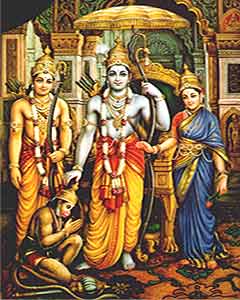 Vaishnavism, Sanskrit and Bishnupriya Manipuri Literature have had considerable influences on Manipuri Literature. Meidingu Pamheiba ruled Manipur from 1709-1748. Under his patronage Chaitanya`s school of Vaishnavism was propagated in Meitrabak. Angom Gopi was the renowned poet of the royal court during the reign of Meidingu Pamheiba. He was proficient in Meeteilon, Sanskrit and Bengali language. He translated Kritibas`s Ramayana and Gangadas`s Mahabharata into Meeteilon. His other books were - Parikhit, Langka Kanda, Aranya Kanda, Kishkindiya Kanda, Sundar Kanda and Uttara Kanda.
Historical accounts like Shomshok Ngamba have been written by two authors Laishram Aroi and Yumnam Atibar. Nungangbam Gobindaram was another writer of Pamheiba`s court. His literary works were - Pakhangba Nongaron , the translation of Astakal from Sanskrit to Meeteilon and Takhel Ngamba.
Another remarkable anonymous book of this period is - "Chothe Thangwai Pakhangba ". In the later part of 18th century, Wangkhei Pundit Gopiram Singh was the scholar in the royal court of Medingu Chingthangkhomba (1763-1798). In case of any adversity, King used to consult with him. In 1789 Gobindaram had started the writing of "Meihaubaron Puya".
Wahengba Madhabram was the prominent scholar during the reign of Medingu Chingthangkhomba and Labainaya Chandra. The praiseworthy books written by him were - Langlon , Mahabharat Birat Parva, Chingthongkhomba Ganga Chatpa and Sana Manik . In 20th century, Langlon was first published in 1924 by Education Minister of Manipur, Waheingbam Yumjao Singh, with archaic and modern Meeteilon . It is also known as the "Sloka of Meetei Chaneika".
Literature of Bishnupriya Manipuri :
 Bishnupriya Manipuri literature can be divided into two periods: Bishnupriya Manipuri literature and modern Bishnupriya Manipuri literature. Spiritual writing was prevalent. It has also been influenced by contemporary Bengali, Hindi, Assamese and Manipuri Meitei literature of Bangladesh, West-Bengal, Assam, Tripura and Manipur.
Bishnupriya Manipuri literature developed within a very short period. The ancient Bishnupriya Manipuri Literature is represented by folk stories, folk-songs, folk-poems, rhymes and proverbs. The language is archaic and is abound with words of Tibeto-Burman origin. The Bishnupriya Manipuris have established Bishnupriya Manipuri Sahitya Parishad, Bishnupriya Manipuri Sahitya Sabha, Bishnupriya Manipuri Sahitya Singlup, Pouri and Manipuri Theatre in order to encourage literary activities among the people of Manipur. A branch of modern Bishnupriya Manipuri literature comprised of Vaishnava Padavali that was based on Vaishnava philosophy.
Sanskrit also had an influence on Manipuri Literature. `Leithak Leikharol` was based on Sanskrit Puranas. Thawan Michak khengjaglon has the names of constellations in Sanskrit. Khwairakpam Chaoba Singh, Pukhrambam Parijit Singh and L. Kamal Singh were influenced by Sanskrit compositions.
Several classical compositions of Sanskrit and world literature was translated by Bishnupriya Manipuri writers. Srimadbhagabat Gita, Ishoponisad, Meghodutom and Ritu Samahar of Kalidas, Rubayaate-Umar-Khayam, Greek drama Anigone, Eliot`s The Waste Land, Japanese Haiku, Poems of Rabindranath Tagore are notable among them.
Recently updated articles in Indian Literature
Gadyakarnamrita
Gadyakarnamrita is a 13th-century Sanskrit literary work written mainly in prose. It describes the ninety-day battle at Srirangam between the Hoysala...
Women Writers in Malayalam Literature
Women writers in Malayalam literature have worked incessantly to make a place for their literary works. In the earlier periods, they were completely o...
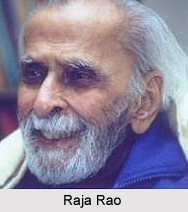
Comrade Kirillov, Novel by Raja Rao
Comrade Kirillov, a distinctive creation of Raja Rao, is presented as a brief yet incisive novelette that offers an ironic portrayal of the self-contr...
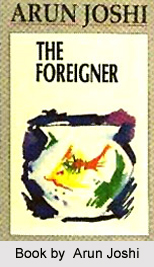
The Foreigner, Novel by Arun Joshi
“The Foreigner” is a book authored by Arun Joshi and published by Vision. It is an illustrious creation in the entire career of Arun Joshi, the famous...
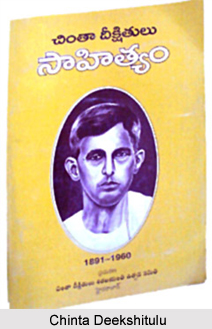
Short Story in Telugu Literature
Short Story in twentieth century Telugu Literature was extremely popular and growing in and developing in a major way. Their popularity was greatly fa...
Related articles in Indian Literature
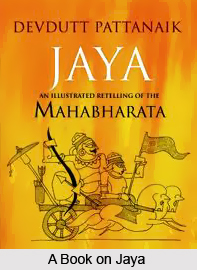
Mythological Themes in Indian Literature
Mythological themes in Indian literature have been integral to every ancient and contemporary writer and their path to f
Literature During Gupta Age
It is during the Gupta Age literature in the form of poetry, epos and drama gained a colossal importance.
Literature of Aravidu Dynasty
Sanskrit and Telugu were the popular literary medium of communication during Aravidu dynasty.
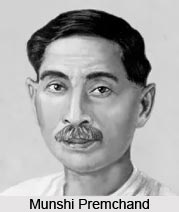
Munshi Premchand
Munshi Premchand was a legendary Indian writer notable for his modern Hindustani literature. A writer of a very high caliber, Premchand`s writings hav...
Sanskrit Poets
The names of some of the Sanskrit Poets are Bharavi, Devarshi Ramanath Shastri, Jayadeva and Srinivas Rath.