
Early Indian literature advocates that the king can prosper only if he is supported by the priest. As per Aiterya Brahmana a King should employ a qualified priest else his oblations will not be accepted. During coronation, the king bows thrice before the Brahmana. This way he accepts his subordinate position and as long as he does so he will flourish. There were many priests who exercised a profound influence on the royal court. Rituals were planned in such a manner which ensured the subordination of the Kshatriyas and the Vaishyas to the Brahmins. In fact in Rig Veda there is a clear passage to show that a king, who honoured his priest could secure an easy mastery over his subjects and a as well as defeat his enemies. It is evident that towards the end of the Brahmana period (c. 1000 B. C.) the priests tried to influence the monarch and through him over the state.
Later it was realised that both could prosper only if both cooperated with each other. The Brahmanical literature shows that the prince or the state was under the the Brahmanas. The royal priest knew rituals which could either promote or retard the welfare of the king as well as the state. The aim of the government was to promote dharma, and the laws which it enforced were regarded as divine in origin. Varnasramadharma which was enforced by the state was largely moulded by the priests who were the writers of the books on this theme. They claimed to be above the state as well as exemption from taxation and capital punishment. They were given milder punishments. The appointment of the dharmamahdmatras by the Mauryas and the vinayasthitisthapakas by the Guptas in order to regulate religious practices and moral conduct of the population indicates the swing towards theocracy.
There has been a view that the ancient Indian state was theocratic to a great extent. Royal priest over the king was great during the age of the Vedas and the Brahmanas. However there are passages in Vedic literature which allows a king to expel the Brahmanas at his will.
The priest was treated with decorum. The spiritual help was offered by the rituals and sacrifices that were performed by the priests. The king was not an instrument in the hands of the priest. He could show him his proper place or even expel him, if he tends to become arrogant. Brahmanas claimed several privileges including exemption from the taxation and the capital punishment. The state did not become an instrument in the hands of the priests by sanctioning their operation.
From the 4th century B. C. theological influence declined. The Vedic sacrifices were considered disgraceful. Positive law began to be differentiated from religious rituals and traditional customs. State managed to free itself from theology by the beginning of the Christian era.
Influence of Religion in Ancient Indian States
Early Indian Literature does mention conflict between royal authority and the priestly class. Towards the end of the Brahmana period the priests tried to extend their influence over the monarch.
Recently updated articles in Indian Administration

Functions of Ministry of Home Affairs
The Ministry of Home Affairs oversees internal security, law and order, and border management in India. It coordinates with states, administers Union...
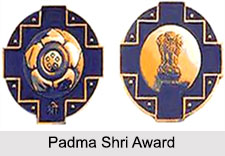
Padma Shri Awards
Padma Shri Award is a civilian award given in India to people who have made outstanding achievements in their respective fields. Some of these awardee...
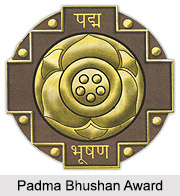
Padma Bhushan Award
Padma Bhushan Award has been given to eminent personalities in India for their remarkable achievements in their respective fields of expertise. Some o...
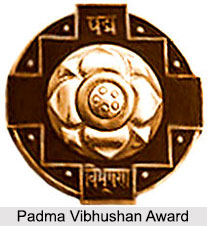
Padma Vibhushan Award
Padma Vibhushan Award is a civilian award, presented to people for excellence in their respective fields. This award was established on 2nd of January...
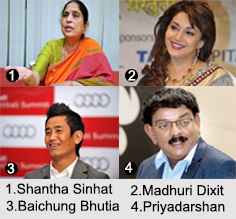
Padma Shri Awardees (2020-2029)
Padma Shri Awardees are people who have received Padma Shri, the fourth highest civilian award in India.
Related articles in Indian Administration

Administration of Chera Dynasty
Administration of Chera Dynasty bears some mentioning in the epic Shilappadikaram. There were four divisions of the total Chera kingdom.
Nayaka Administration
Nayaka Administration was one of the major consolidating factors of the Vijaynagar kingdom in the 16th century. The Nayakas ruled as feudal landlords...
Village Administration in Ancient India
Village has been the pivot of administration in ancient India. As the states were small it enhanced the importance of the village.
Land System in Ancient India
Private Ownership of land was not uncommon in ancient India. As per the system King was considered as the owner of the land.
Samiti in Ancient India
Samiti was an assembly in ancient India that assisted the King. It is equivalent to modern Lower house or Lok Sabha.