 Influence of aesthetics on modern Indian literature has been quite immense. The interplay of aesthetics and ideology, which supply critical paradigms in the study of culture and literature, is crucial in considering regional literatures. Aesthetics in India has an old tradition, generally upholding the cultural status quo. In recent times, much literary production is often constructed and then analyzed, within the aesthetics of liberal humanism, which dominated both reform and nationalism. The emphasis on individual freedoms, rather than radical social transformation, on lyricism and romantic aesthetics over the socio-economic coordinates of literary production, remains a prominent concern in the study of regional literatures.
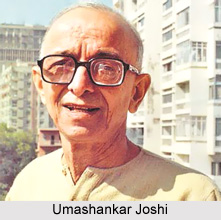
In his book `Indian Literature: Personal Encounters`, prominent poet Umashankar Joshi, a winner of the prestigious Gnanpith Award, discusses both the appeal and the dangers of Western-style aestheticism. On the one hand, lyric genres such as the ode, elegy, monologue, and sonnet allowed for the singing of `personal love` in a society which was quite rigidly divided. However, on the other hand, the artist`s self-absorption could alienate him or her from the common people who spoke his or her language.
Many literary critics of literature in the regional languages use emotive hyperbole in describing the aesthetic experience of a particular work or tradition. Poo Vannan`s recent history of Tamil literature is an example. Classical, idealist aestheticism can disengage art from its material referents. It is believed that it can help serve as a bond between use and pleasure, necessity and desire. Umashankar Joshi`s critique quoted earlier makes the same point, although from a depoliticized angle.
When trying, however, to delve into the appeal of aestheticism in India (in literature, music, and art), it is not possible to be completely removed from the colonial process of attributing a hierarchy to languages and cultures, and the Indian cultural response to such hierarchies. Experience was divided into the practical and intellectual sphere dominated by the English and the emotive and personal sphere dominated by the mother tongue. In the current academic system in India, knowledge of one`s mother tongue, especially in its emotive aspect, is relegated to an intimate realm.
Earlier, a connection between linguistic processes and literary activity was stressed. "Standard" vernaculars helped in establishing elite regional literatures. The point that is sought to be made here is that mono-linguism of the Western language makes it rather inapplicable to a multi-lingual society. The Western model equating language with the father and the pre-lingual with the mother is complicated in a multilingual consciousness, where the "mother tongue," is most often not the language of power. It contends not only with the colonial language English but with other languages in various degrees of dominance. But the role of the mother tongue in the first perception of world gives it a place in one`s memory of being most useful and supreme. At the same time, the "mother" tongue is also rejected, by some sections of the middle class, in the pursuit of English and more dominant tongues.
The impact of the various regional languages, the so-called mother-tongue on English literature has been rather marked. It has proved persistently difficult to fit in the linguistics within the literary pattern especially when using the regional language for literary writing. Consequently, established norms are broken and there is seen a moving-away from the established system. The language and art form are compromised in such a way that reflects regional inclinations and styles. This does not in any way affect the aestheticism of the work as is believed. On the contrary the aesthetic appeal of the work is kept intact while regional influences and modifications hold sway. Thus for instance, for the Urdu speakers, the emotive force of the ghazal may similarly obscure its courtly origins.