
Group theatre was an amateur troupe that produced the great majority of important urban theatre work. These are classified as groups. Although professional companies in cities ruled the roost for nearly a hundred years, between 1870 and 1950, they gradually lost audiences to cinema and disappeared from most regions by 2000. Only a handful of such commercially run repertories exist. In their place, the number of groups increased rapidly after 1947, catering to an educated clientele with mainly serious and socially committed material, and disdaining pure entertainment. Since their themes precluded box-office success, groups could not hope to pay their members, who typically hold full-time day jobs in other professions and rehearse in the evenings.
Making a virtue of their poverty, groups register as non-profit organizations, which fall within the purview of the Registration of Societies Act. Societies can engage in any legal activity, but are defined by their declared aim of not working to make any profits. As such, they qualify for public funding, corporate sponsorship and private donations, tax exemptions, and, for theatre, waiver of the high entertainment tax on tickets. Some groups have become eligible for regular but limited government grants as well. A few, able to muster money from diverse sources, find themselves in a position to disburse small stipends to members, but most have a hand-to-mouth existence, scraping together tiny budgets from one production to the next. In these circumstances, only the most dedicated survive. Of late, membership has grown flexible, many groups relying on a common pool of actors. Folk and traditional troupes also function under this Act nowadays.
This article is a stub. You can enrich by adding more information to it. Send your Write Up to content@indianetzone.com
Group Theatre
Group theatre was an amateur troupe in post-Independence India.
Recently updated articles in Indian Drama & Theatre
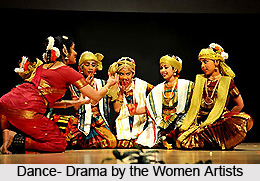
Amateur Theatre
Development of Amateur Theatre has been responsible for useful innovations in theatre culture of Karnataka.
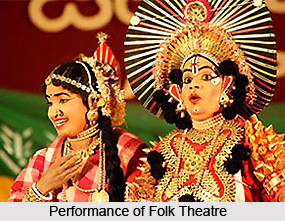
Surendranath Ghosh
Surendranath Ghosh or Dani Babu was a Bengali thespian active during the mid-20th century. He was mostly known for his contributions to Bengal’s moder...
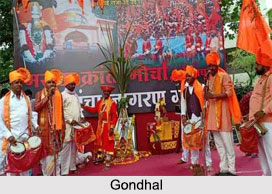
Gondhal Dance
Gondhal is a religious folk dance of Maharashtra. It is performed on special days like when there is a newborn in a family or marriage. Dedicated to g...

Pravritti in Natyashastra
Pravritti in Natyashastra refers to specific human behaviour varying from region to region. There are four types of Pravritti namely, dakshinatya, ava...
Padma Bhushan Awardees (2010-2019)
Padma Bhushan Awardees (2010-2019)
Related articles in Indian Drama & Theatre
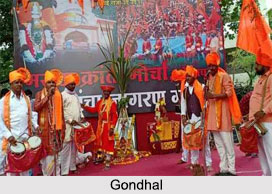
Gondhal Dance
Gondhal is a religious folk dance of Maharashtra. It is performed on special days like when there is a newborn in a family or marriage. Dedicated to g...
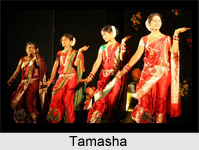
Tamasha Folk Dance
Tamasha is a folk art, which includes the love songs, which are traditional lavanis and dance along with the music.
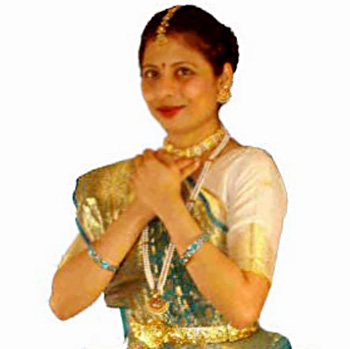
Sringara Rasa
Sringara Rasa is mentioned in Natyashastra as one of the important rasas. The Sthayi bhava in Sringara rasa is Rati or love.
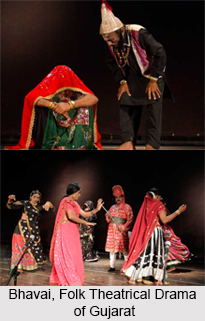
Bhavai - Folk Theatre of Gujarat
Bhavai is a popular folk theatre form of Gujarat that belongs to the tradition of theatre of entertainment.
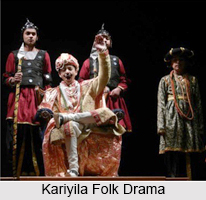
Kariyila Folk Dance
Kariyila is one of the most appealing and popular folk drama forms of Himachal Pradesh, portraying social satire with the accompaniment of folk dance...