
The yogic sutra duhkha daurmanasya ahgamejayatva svasaprasvasah viksepa sahabhuvah further goes into detailed description of the obstacles that hinders often to attain yogic self-realisation. Several elements can give rise to these, like angst, dejection, instability of the body, and foremost the environmental distractions. These can be conquered by strict yogic disciplines.
duhkha sorrow, pain, grief, distress, unhappiness
daurmanasya mental pain, affliction, dejection, despair
ahgamejayatva unsteadiness of the body
svasaprasvasah inspiration and expiration
viksepa scattered, causing distraction
sahabhuvah existing at the same time, side-by-side, accompanying, concurrent
Sorrow, despair, unsteadiness of the body and irregular breathing further distracts the citta.
Leaving the obstacles mentioned in 1.30, there are four more causes of distraction - sorrow, despair or evil disposition, tremble of the body and irregular or laboured breathing. (Perhaps, laboured breathing shakes the body, creating imbalance, which in turn brings mental distress.) These cause further distractions which excites the mind and consciousness.
These hindrances are of three kinds - self-inflicted (adhyatmika), imbalances of elements in the body (adhibhautika) and problems arising from fate, e.g. genetic defects (adhidaivika). They need to be fought and curbed through yogic disciplines.
Duhkha daurmanasya ahgamejayatva svasaprasvasah viksepa sahabhuvah
This is the thirty-first yogic sutra which is incorporated in Patanjali Yoga Sutras.
Recently updated articles in Yoga
Khanda Manda Yoga
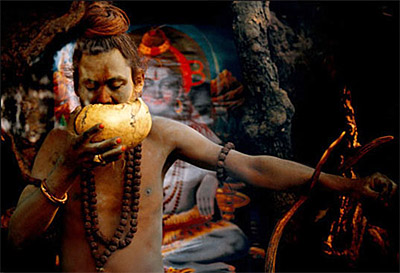
Khanda Manda Yoga is a difficult form of yoga where the Yogi cuts off his own arms and legs with a sharp cleaver, that is axe-like knife, and throws t...

Kaivalya Pada
Kaivalya Pada, the fourth chapter of Patanjali Yoga Sutra denotes an absolute, indivisible state of existence of the Yogi. The Kaivalya Pada is someti...
Vibhuti Pada
Vibhuti is the Sanskrit term for “power” or “manifestation.” In this third chapter, Patanjali introduces the final three limbs of Aṣṭanga Yoga, collec...

Sadhana Pada
Sadhana Pada in Patanjali Yoga Sutra denotes the idea of practicing yoga that leads to spiritual illumination. Sadhana, the Sanskrit term for “practic...
Samadhi Pada
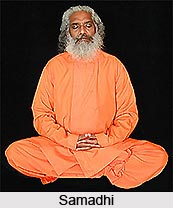
Samadhi Pada is the first chapter of Patanjali Yoga Sutra. In this chapter, the author explains the essence of yoga, the nature of samadhi, and the me...
Related articles in Yoga
Cultural Asanas
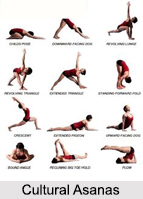
Cultural Asanas refer to the daily physical exercise postures that train the body and mind in Yoga Practice.
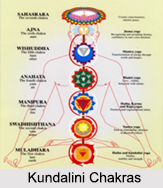
Kundalini Chakras
Kundalini Chakras are psychic energy centres or vortices, which connect between our psychic and physical energy systems.
Patanjali Yoga Sutras
Patanjali’s Yoga Sutras presents a foundational guide to the philosophy and practice of yoga. Through concise aphorisms, it outlines the nature of the...
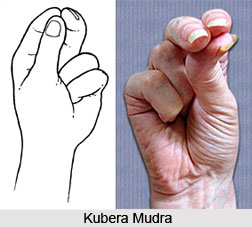
Kubera Mudra
Kubera Mudra, a form of Hatha Yoga, leads to the elevation of mental peace and physical relief by proper practice and cleanses frontal sinuses.