
Dipadana Vrata or the Vrata of illuminating a divine edifice with lighted lamps has also been mentioned in one of the adhyayas of Agni Purana. It has been said that the practising of Dipadana Vrata a man attains salvation after a prosperous career on earth. By illuminating the house of a Brahmana or an imaged deity for a year, a man becomes possessed of all his wished for objects. Similarly by lighting such edifices for four months continuously, or by illuminating them in the month of Kartika, a person goes to the region of Vishnu or ascends heaven. There is no Vrata which can or will ever excel this rite of giving lighted lamps, in respect of merit. The man, who illuminates a divine edifice as above indicated, becomes the father of a large and happy family, and enjoys health and good fortune. His eyes become keen and lustrous, while angels throng to glorify his name in heaven on his sojourn to that region after death.
Legend in Agni Purana says that out of a hundred wives of the king Charudharma, the ruler of the world, Lalita, the daughter of the king of Vidharba, was able to win and monopolise the love of her husband, through the merit of observing such a lamp-giving Vrata. Lalita used to light up the divine edifice of Lord Vishnu with thousands and thousands of lamps, every night. Lalita had said that by illuminating a divine temple with lamps, on the day of the eleventh phase of the moon, a man is able to reside blissfully in heaven. The stealer of such a lamp is afflicted with dumbness and is doomed to suffer incessant nameless agonies in the dark and bottomless abyss of perdition. She had also said that the human life is the culminating stage of all animal existences on earth, and it is by going through thousands and thousands of necessary cycles of animal-existence, that a being is evolved out as a man.
Finally the adhyaya ends saying that having heard these words from the lips of Lalita, the co-wives of the queen began to illuminate the temple of Vishnu in the night, and ascended heaven through its merit. Thus by offering lighted lamps to the god, a man acquires greater merit.
Dipadana Vrata
Dipadana Vrata as stated in the Agni Purana is a process of offering lighted lamps to the divine edifice of Lord Vishnu. The process of Dipadana also assists in the attainment of salvation.
Recently updated articles in Indian Puranas
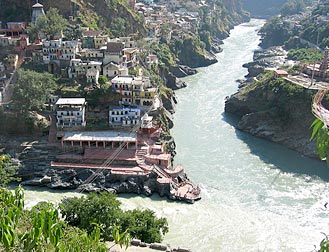
Mandakini, Holy River
Mandakini River is a significant Himalayan river in Uttarakhand, renowned for its ecological, cultural, and religious importance. Originating near the...
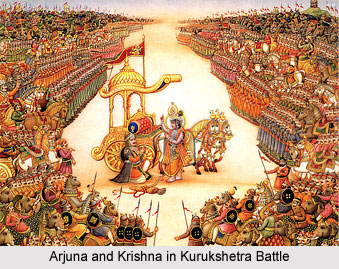
Kausika, Son of Vasudeva
Kausika is a minor figure in Hindu mythology and is identified in the Vishnu Purana as the only son of Vasudeva and his wife Vaishali. He is recognize...
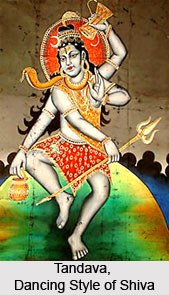
Tandu, Attendant of Lord Shiva
Tandu is revered as the divine attendant of Lord Shiva and the foremost exponent of the Tandava dance. According to the Natya Shastra, he instructed S...
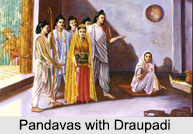
Niramitra, Mahabharata
Niramitra was a son of Nakula and Kareṇumati in the Mahabharata. A descendant of the Pandavas and the Kuru dynasty, he fought on the Pandava side duri...
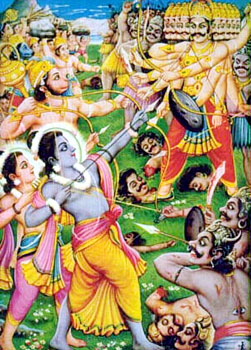
Mahodara, Ramayana
Mahodara was a prominent Rakshasa warrior, minister, and army chief who served under Rāvaṇa during the Battle of Lanka in the Ramayana. Celebrated for...
Related articles in Indian Puranas
Adhyayas in Agni Purana
Adhyayas in Agni Purana are all encompassing. The chapters have dealt with a variety of subjects related to human lives. A large number of chapters ha...
Indian Puranic Tribes
The existence of Indian Puranic tribes is often mixed with mythology and fiction that depict them as superhuman or sub.
Puranic Texts
Puranic Texts are vital according to Hindu, Jain or Buddhist religion; they describe the history of the Universe.

Puranic Shaivism
Puranic Shaivism established during the Gupta Dynasty. This puranic religion developed and expanded, and was accompanied by the development of Brahman...

Nilamata Purana
Nilamata Purana is a Kashmiri Purana that is referred by Kalhana. It is considered as one of the sources of ancient history of Kashmir.