
Catakams refers to those poetic works which comprises of one hundred poems without any sub-division of chapters. These types of works are known as Catakam in Sanskrit. There are several literary works in Tamil literature that contains one hundred poems, which are divided into ten poems in each of the ten chapters. Popular Tamil literary works like Pattirruppattu and the Pillaittamil works were composed in this form. But the works of Catakam are not usually divided into ten chapters. A segment in the poems of Tiruvacakam, composed by Manikkavacakar (Manickavasagar), is known as Tiruccatakam. Consequently various Catakams were composed in honour of gods, chieftains and philanthropists.
Composition of Catakams
In the 17th, 18th and 19th centuries there was keen interest in writing Catakams. It became compulsory to study Catakams in schools and read by others with interest, as these described the rules of conduct with fascinating similes. The compositions were rendered in a smooth and lucid manner to make it easy for reading. Alliterations and assonances provided adequate aid to learn the poems. The Catakams reflect the conversion and development of poetic style in Tamil literature from using high sounding words to simplicity. The authors of catakams faithfully recorded the events of a certain geographical area during their era. Thus works like the Nantimantala Catakams, llamantala Catakam, Kon Kumantala Catakam, Colamantala Catakam, Pantimantala Catakam and Tontaimantala Catakam were composed.
Works of Catakams
The Tiruttontar Catakam depicts the life of the Shaiva saints. Other Catakams such as the Kovinta Catakams and the Tantalaiyar Catakam were assemblage of the proverbs which were in style in the Tamil country in the form of devotionals hymns and songs. The Ceyahkotar Catakam incorporates and has faithfully recorded proverbs and their explanatory stories historical events. There are other works in this genre that focus on only the ethical values which were important in the ordinary and routine life. The Kailacanatar Catakam is an ethical work of Didactic nature and also mentions astrology and provides useful hints to maintain good health. Particular traditions were followed while writing the poems in Catakams. Every verse in a Catakam should repeat a particular word or a phrase or a string of words, either in the last line or in the previous line. Each of the verses in the Amppalicura Catakam and the Pantimantala Catakam concludes with Arappallcura Tevarie and Pantimantalame respectively. While in the Kumareca Catakam a line itself is repeated in each of the poems.
Ampalavanak Kavirayar, disciple of Arunacalak Kavirayar, is the author of Arappallcura Catakam. The poet existed in the eighteenth century. Some of the poems in the Amppalicura Catakam are appealing to read as they list parallel ideas like a garland of flowers and the things which are use less in life. By listing, the author concentrated upon various experiences of life and ethical values. As encyclopaedias did not exist at the time, the authors and poets utilised Catakams as a glossary to list the incarnations of Lord Vishnu, the Puranas, the thirty two virtues and other things useful to scholars.
The Kumareca Catakam narrates that certain people can be classified as ghosts and their mistakes are set out. The poet of this literary work mentions that people who make a long face when asked to repay a loan, who behave arrogantly after achieving a designation, who disrespect noble and elderly people, who accept bribes, engage in affairs with prostitutes while having a spouse at home, are all considered ghosts. Similarly a number of ethical values and principles are vividly described in different ways in Catakams. The Tantalaiyar Catakam is a book of proverbs. The work represents the essence of one hundred proverbs in hundred verses. Tantalaiyar Catakam was a renowned work amongst the people of the last generation.
Several Catakams were composed in praise of the presiding deities at different shrines such as Tirupati and Tiruvannamalai. Even certain Muslim poets also composed Catakams like the Arapic Catakam and Akatticar Catakam. In the 19th century, the poet Catacivappillai from Yalppanam wrote the lyecunatar Tirucaatakam in honour of Lord Jesus Christ. Many other poets also composed Catakams for various reasons, eulogizing the presiding deities at various shrines of the Tamil country.
Catakams
Catakams are the poetic works that includes one hundred verses without any sub-division of chapters. Popular Catakams include Nantimantala Catakams, llamantala Catakam, Kon Kumantala Catakam, Pantimantala Catakam and Tontaimantala Catakam.
Recently updated articles in Indian Literature
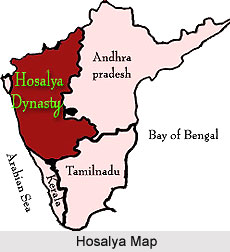
Gadyakarnamrita
Gadyakarnamrita is a 13th-century Sanskrit literary work written mainly in prose. It describes the ninety-day battle at Srirangam between the Hoysala...
Women Writers in Malayalam Literature
Women writers in Malayalam literature have worked incessantly to make a place for their literary works. In the earlier periods, they were completely o...
Comrade Kirillov, Novel by Raja Rao
Comrade Kirillov, a distinctive creation of Raja Rao, is presented as a brief yet incisive novelette that offers an ironic portrayal of the self-contr...
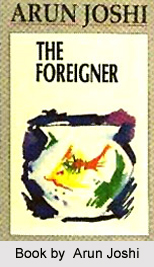
The Foreigner, Novel by Arun Joshi
“The Foreigner” is a book authored by Arun Joshi and published by Vision. It is an illustrious creation in the entire career of Arun Joshi, the famous...
Short Story in Telugu Literature
Short Story in twentieth century Telugu Literature was extremely popular and growing in and developing in a major way. Their popularity was greatly fa...
Related articles in Indian Literature
Mythological Themes in Indian Literature
Mythological themes in Indian literature have been integral to every ancient and contemporary writer and their path to f
Literature During Gupta Age
It is during the Gupta Age literature in the form of poetry, epos and drama gained a colossal importance.
Literature of Aravidu Dynasty
Sanskrit and Telugu were the popular literary medium of communication during Aravidu dynasty.
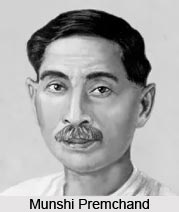
Munshi Premchand
Munshi Premchand was a legendary Indian writer notable for his modern Hindustani literature. A writer of a very high caliber, Premchand`s writings hav...
Sanskrit Poets
The names of some of the Sanskrit Poets are Bharavi, Devarshi Ramanath Shastri, Jayadeva and Srinivas Rath.