
No nation attaches greater importance to the dictum laid down in the proverb such as vox populi, vox dei, etc. which means `people`s voice is the voice of god, than the Hindus. In fact every ceremony observed by the Hindus is to be rounded of and finished with a function called asirvatham. The most common observance of the Hindus i.e. the annual sraddha to propitiate the pitris or the manes of the departed can be taken as example. There too, after the Brahmins are sumptuously fed and prior to their departure, they perform a function blessing the performer of the sraddha, and wishing him health, wealth and prosperity. The next common ceremony of the Hindus is the marriage ceremony. Here too, the final function is what is known as asirvhiham or blessing of the bridal pair. The function is considered to be so very important that a kind of cake in the form of a cone named as `asirvaiha paruppu thmgai` has come to be recognized as an item. This is more or less unavoidable in the programme, even as the Christmas cake is recognized as a sine qua non during Christmas feasts.
Another one is the Hindu Upanayanam. This function also has its final asirvatham function in which the newly fledged brahmacharis is bestowed blessings on. The conduct of the asirvatham ceremony itself is full of interest. The family priest stands up and is ready to transmit the blessings to the individuals concerned. One by one the friends and relatives of the persons to be bestowed blessings on, stand up with their gifts accompanying their blessings in abstract. The gift ordinarily consists of gold coins, silver coins, new cloths, ornaments and so on. The guru briefly tells the audience assembled who the bestower is, his relationship to the recipient and the nature of the gift itself bestowed. He then hands over the gift with the benedictions to the object of the blessings. This process is repeated till all the gifts brought for the purpose have been duly received by the priest, passed over and acknowledged.
Asirvatham
Asirvatham or offering of blessings is a common Indian custom.
Recently updated articles in Indian Festivals
Festivals of Daman and Diu
Festivals of Daman and Diu reflect the traditional culture of this region through its manifold festive occasions which include Folk Dance Fesrival, Ga...
Festivals of Dadra and Nagar Haveli
Festivals of Dadra and Nagar Haveli reflect the vibrant tribal culture and traditions of the region. Celebrations such as Tarna Festival and Divasol F...
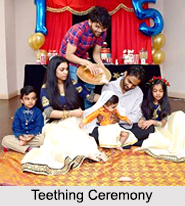
Teething Ceremony in Indian Customs
In India, teething is observed with deep cultural significance, blending health and tradition. Families often use age-old remedies like rubbing honey,...
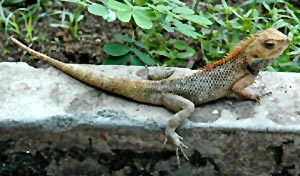
Lizard Chirping - Indian Belief
In Hinduism, lizard chirping is often regarded as a sign of divine communication and is considered auspicious in many traditions. The sound, such as h...
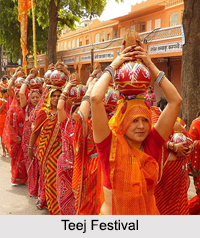
Festivals of Haryana
The festivals of Haryana reflect the state's rich cultural heritage and religious fervor. Celebrations like Gugga Naumi, Teej and Gangore are marked b...
Related articles in Indian Festivals
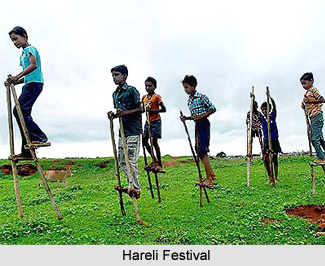
Hareli Festival
Hareli Festival is a popular festival of Chhattisgarh. It is celebrated in the month of Shravan by the farmers who worship cows and other equipments u...
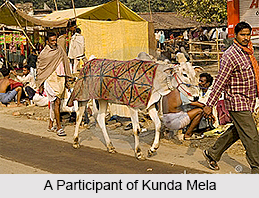
Kunda Mela
Kunda Mela is one of the famous and largest festivals of Jharkhand. The biggest attraction of this fair is the cattle trade.
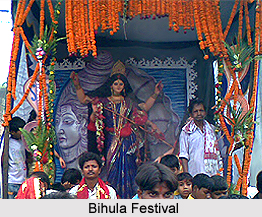
Bihula Festival
Bihula Festival is one of the popular festivals in Bhagalpur, Bihar.
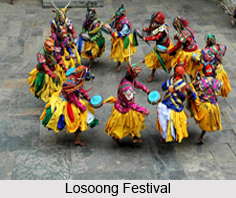
Losoong Festival
Losoong Festival is the Sikkimese New Year, of the Bhutia tribe, celebrated every year in the month of December. This festival is very famous in easte...
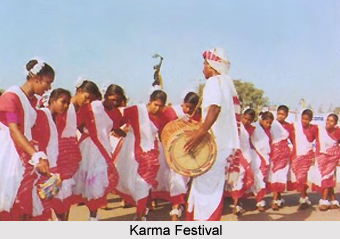
Karma Festival
Karma Festival is a tribal festival celebrated in Madhya Pradesh, Bihar, Jharkhand and Chhattisgarh.