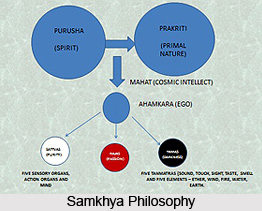
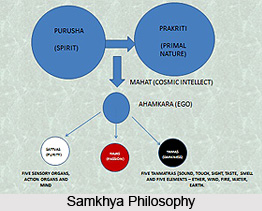
 Anviksiki according to Kautilya is a domain of knowledge which includes the systems of samkya, yoga and lokayata. A ruler must know these. However later Anviksiki was referred to reasoning and it cannot be reduced to any particular discipline. As a different doctrine it requires its own method. Since the seventh century the use of this term gave way to another term called "darshana".
Indian logic`s development can be dated back to the Anviksiki of Medhatithi Gautama. The Anviksiki School of logic was founded by Medhatithi Gautama. Indian epic Mahabharata refers to the Anviksiki School of logic. Chanakya has described Anviksiki in Arthashastra as an independent field of investigation. Anviksiki was exposed in the first century
Kautilya refers to Nyaya as Anviksiki. This suggests that the word Nyaya was not a familiar name for Anvikshiki during that time. Vatsyayana compares the meaning of Nyaya with the etymological meaning of the word anvikshiki. However Kautilya was not satisfied by counting Anvikshiki as one of the four vidyas. He considered it as one of the philosophies along with Samkhya.
Anviksiki was called Hetu Shastra or Hetu vidya which is the study of reasoning as known in Manusamhita or Mahabharata. The teachers of Anviksiki are Carvaka, Kapila, Dattatreya, Punarvasu Atreya, Sulabha, Astavakra and Medhatithi Gautama.
Theory of Anviksiki grew out of discussion among learned men. The doctrines did not comprise of the original Ayurveda of Punarvasu Atreya. These doctrines have been included in Charaka Samhita. The doctrines as mentioned in Charaka Samhita are: Karyabhinivrtti, Pariksa, Sambhasa or vada vidhi. Karyabhinivrtti refers to the resources that are required to achieve something. Pariksa is an examination standard and Sambhasa vidhi refers to method of debate.
Anviksiki was considered as principles that were laid down to test the prohibition in the Vedas and because of this it was not accepted by all. As it is seen in Ramayana how Valmiki discredit people who possess vicious mind. Similarly in Shantiparva, Vyasa warns the followers of Vedanta philosophy against spreading their doctrines. However in some sections Anviksiki was very much accepted as a theory worth following. In Gautama Dharma shastra, training has been prescribed for Anviksiki for the ruler. Kautilya considers Anviksiki as the lamp of all sciences.