
Agricultural Rituals are one of the traditions of the land which is followed by the Kuki Tribes. This is a ritual followed by every man from each household of the village in which in they are supposed to go out in the jungle and locate a site for cultivation for the year and mark the particular area for cultivation which is located within the jurisdiction of the area. For the notification of the area with the Village Chief and his council of ministers the man shall demarcate the area by the sides of the tree and cut the edge of the tree. Formally this demarcation is called Lou Chan. An area which is marked by Lou Chan is considered with a lot of respect as it indicates that the particular portion is already in possession of someone for future cultivation.
Agricultural Rituals highlight a particular process which the man or the farmer has to follow. Within this the farmer is supposed to begin his activity by firstly clearing the area and cutting off all shrubs and long grasses which have cropped up. After clearing the area the farmer erects two posts within the area claimed by him and ties the top of the posts with a thin string; at the middle of the string he places a wooden rice-spoon which is called Kathai which is hung at the centre to signify whether the land would yield a good harvest or not. This is done in the night and in the morning if farmer finds the Kathai on the floor and a head of a lizard or any other insect is found hanging on the string then it is believed that the land is inauspicious and haunted by the devils of the forest and that the devils of the forest do not want them to cultivate that particular area. In that case the farmer is supposed to replace the area with some new plot. The same process is followed again but this time the priest is required to perform certain rituals. These rituals are aimed to appease the devils of the land. This ritual is called Daiphu in which the village priest makes the images of a number of items which are made up of clay. Each item has to be ten in number. These include 10 Mithun; 10 beads; 1 Thoche; 1 Vengke. These are aimed to appease the demon called Gampi Gampa - the owner of the jungle. It further includes other items like 1 Elephant trunks ; 1 Gong (Big Size);1 a group of small gongs set; comprising of three such jongs called `Dohbuituo Khat`; Sohlong; 10 Silver Coin. The farmer is then supposed to prepare a shed in the very middle of the land and place all its items at the foot of the tree in a circular form. At the centre a bamboo-family, made up of all the herbs tied together, is prepared. These further include items like Daikham; Loudai and Loudong while some say that the items include Daikham, Chonbeh and Lounglao. The bunch of bamboo-family is on one side inserted in the land and the other side carries an egg half broken and inserted in the bamboo sticks.
Thus agriculture rituals are some of the most traditional rituals which are practiced by the Kuki tribes before the new year of cultivation begins. As the society largely depends on superstition these rituals hold a lot of significance for them.
Agricultural Rituals
Agricultural Rituals also known as Lou Mun Vet is a traditional system followed by the Kuki tribes before they begin the cultivation for the year. These agricultural rituals are mainly followed before the cultivation of Jhum or slash-and- burn system.
Recently updated articles in Tribes of India

Arakh Tribe
Arakh Tribe is one of the ancient tribes located in several parts of central India. Their origin dates back to the Tughlaq era. Arakh tribe appears to...
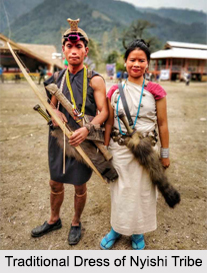
Traditional Dress of Nyishi Tribe
Traditional Dress of Nyishi Tribe is worn during festivals and social gathering. Men wear a cane helmet surmounted with the beak of the great Indian H...

Pasi Community
Pasi is an aboriginal race of India and are mainly distributed over the northern region of the country. The traditional occupation of Pasi is the extr...

Bhojas
Bhojas have been described as a very important tribe in the Aitareya Brahmana. Historical records have said that the Bhojas were settled towards the s...
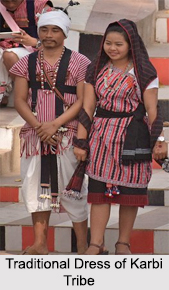
Traditional Dress of Karbi Tribe
Traditional Dress of Karbi Tribe can be easily recognized by the artistic designs inherited from their forefathers. Karbis have their own traditional...
Related articles in Tribes of India

Sentinelese Tribe
Sentinelese tribal community is one of the most isolated and secluded tribes that are found in the whole world.
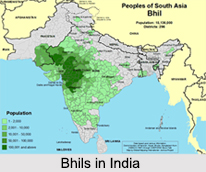
Bhil Tribe
The people of the Bhil tribe are the most widely distributed tribal groups in India.
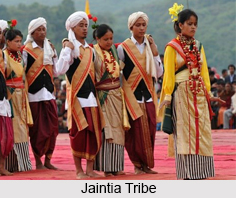
Jaintia Tribe
Jaintia Tribes are located in the Jaintia Hills of Meghalaya. They are also called the Pnars. They are famous for weaving of carpet, making of musical...
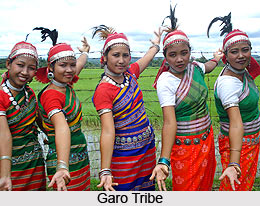
Garo Tribes
Garo Tribes are one of the matrilineal tribes of North-East India who reside in the Garo hills of Meghalaya. Historically, the tribe originated in Tib...
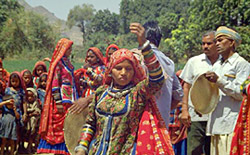
Garasia Tribe
The Garasia tribal community holds a significant position within Indian culture, renowned for their distinctive way of life and rich cultural heritage...