
Dakshinachara or the right handed path is underlines the meditational and spiritual disciplines. It insists upon the purity and clarity in action and conduct. Dakshinachara is recommended for the Bhaktas or for the more devoted people. The right handed path is also called the orthodox path. It is applicable for both the Hindu social dharma or for yogic practice. The Buddhist Tantra is based on the Samaya or the Dakshinachara Tradition.
Dakshinachara consists of mantra, Yoga and meditation. The various rituals are considered secondary in the right handed path and are used symbolically. This tradition has been the most common for the monastic and the Brahmanical circles. The monks renounce their social position. Generally the customs and rituals that are followed for the commencement of ordinary sacraments such as marriage are not required for the monks. The right handed path is a way of peace.
Dakshinachara consists of traditional Hindu practices such as asceticism and meditation.
A Tantric text known as the Brahma Yamala declares that there are three currents of tradition which are dakshina, vama, and madhyama. These are characterized respectively by the prevalence of each of the three gunas i.e. sattva, rajas, and tamas. Here dakshina is characterized by sattva that is pure; vama is characterized by rajas which mean it is mixed and madhyama is characterized by tamas which means is impure. The Tantras of each class abide by a fixed line of spiritual practices. While treading the path of ecstasy one might get disposed to certain specified actions as he breaks through preconceptions and releases his internal energies.
This article is a stub. You can enrich by adding more information to it. Send your Write Up to content@indianetzone.com
Dakshinachara
Dakshinachara is also known as the right handed path that emphasizes upon the meditational and spiritual disciplines of life.
Recently updated articles in Religion in India
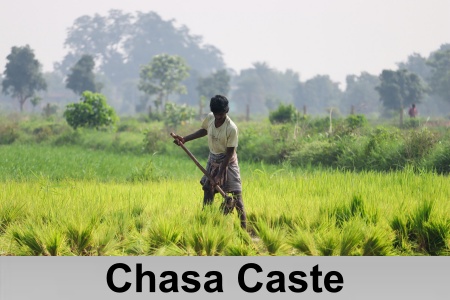
Chasa Caste
Chasa caste is a prominent agrarian community native to Odisha. Traditionally associated with cultivation and farming, Chasas have historically played...
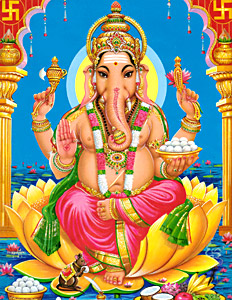
Vigneswara, A Form of Lord Ganesha
Lord Vigneswara is another form of Lord Ganesha or Vinayaka, prominently worshipped as the God of intelligence and good luck in the Indian subcontinen...
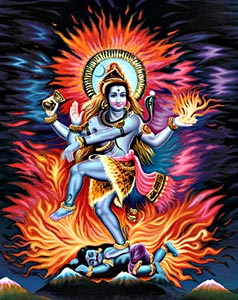
Maheswara
Maheswara, meaning “the Great Lord,” is a revered name of Lord Shiva in Hindu tradition. It represents Shiva’s supreme authority over creation, preser...
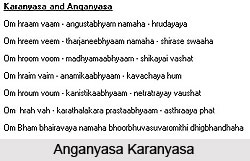
Anganyasa and Karanyasa
Anganyasa and Karanyasa are preparatory rituals in Hindu worship that sanctify the body and hands through the recitation of sacred mantras and symboli...
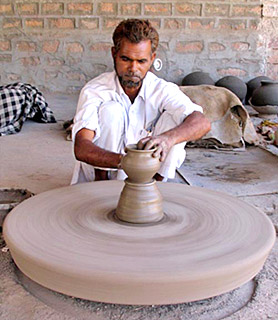
Kumbhakar / Kumhar Caste
Kumbhakar or Kumhar caste is a traditional artisan community in India known for pottery making. Derived from Sanskrit word Kumbhakar, meaning potter,...
Related articles in Religion in India
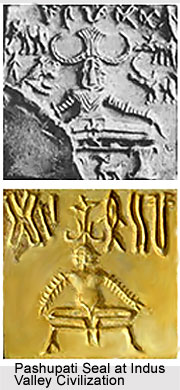
Religion in Indus Valley Civilization
Religion in Indus Valley Civilisation included Hinduism, Buddhism and Jainism. Details about the religion in Indus Valley Civilization have been gathe...
Iyer Brahmin
Iyer Brahmins are originally from Tamil Nadu of South India. They are known for their adherence to Advaita philosophy and Smarta traditions. Tradition...
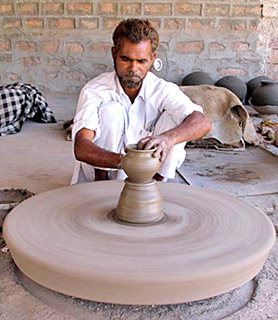
Kumbhakar / Kumhar Caste
Kumbhakar or Kumhar caste is a traditional artisan community in India known for pottery making. Derived from Sanskrit word Kumbhakar, meaning potter,...

Gujjars in Mughal Era
Gujjars in the Mughal era enjoyed great power. Further their power increased with the decline of Aurangzeb, Mughal emperor.
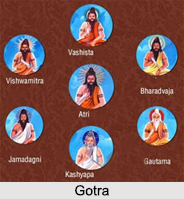
Gotra in Hinduism
In Hinduism, gotra refers to a lineage system tracing descent from ancient sages, primarily through the paternal line. Originating from Vedic traditio...