 Agni Purana has described the adorable mantras for worshipping all the members of the celestial family namely Vasudeva, Sangakarshana Pradyumna and Aniruddha. It has been said salutation unto Naryana, Lord Brahma and Vishnu are essential mantras which are to be uttered by all worshippers. Then the worshipper should perform the Swar of the mantram. He should then imagine heart and other parts divided according to the Tantra.
The Purana narrates that the vowels and consonants should be properly assigned and only after having made proper assignment a Siddha should recite the Mantrams. It is with the help of the principal Mantra that a worshipper adores the heart, the head-gear, coat of mail, eyes, weapons and six limbs of Lord Vishnu.
Kam, tam, pam, Sham is a salutation to Vinata`s son Garuda; Kham, tham, pham, Sham is a salutation to the cub. Gam, dam, Vam, Sam is the mantram for securing health, Gham, dham, bham, Ham are salutation to Shree. Similarly there are other mantrams which adore the conch shell of Vishnu, his discus. There is also a salutation which has been dedicated for his mystic mark Srivastava. Even there is a mantra dedicated to the garland of his wild flowers.
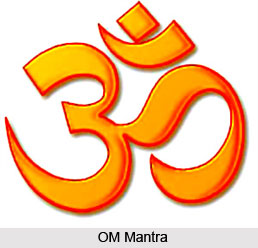
OM Mantra according to the Purana is for the great Ananta. With the various letters of OM the other forms of Mantra should be made. It is necessary that the name and caste of the person are added for adoring the heart. And Pranava should be added to each mantram which should be recited five times. It is said that with the help of OM Mantra one should adore the heart, the head and the tuft of hair of the great Purusha and adding his own name should adore the coat of mail and the weapon. It is said that then the worshipper should adore the Prakriti which is another form of the Purusha and the most important elements of Prakriti are air, sun and the Fire. All these should be adored by the worshipper with absolute dedication. The five elements of the universe including the five sense organs of the individual should also receive salutation from the worshipper.
It is believed that one should assign the endless mind beginning with the thumb in order to head, mouth, heart and all the other organs that are present in human body. This is because the prime form in the shape of Jiva permeates all and everywhere. With the help of the mantras it is essential that the earth, sky, heaven, the principle of greatness, asceticism, and truth should be duly assigned in the body and the fingers beginning with the thumb.
Several religious rites are to be carried on with the help of the salutations or the mantras. It is the duty of the worshipper to invoke the Purusha with the help of a Mantra and should then meditate on the Purusha. Having meditated on the Purusha a wise man should adore the Prakrit.
The Puruna concludes saying that for conquering kingdoms and for the preservation of all a worshipper should adore the universal form of Vishnu with all the parts and five limbs. One should celebrate the sacrifice of Vishwaksena having adored first Garuda and Indra. Only then will he obtain all the desired for objects.