 Located in the easternmost reaches of the Karakoram Range in Leh District, Karakoram Wildlife Sanctuary is situated at a high altitude. It is important as one of the few places in India with a migratory population of the Chiru or "Tibetan Antelope." While the entire catchments of Nubra River and major part of the river Shayok, named as Karakoram (Nubra-Shyok), is bounded on North and South by international boundary of China and Pakistan, the Karakoram ranges lines the north. In fact this sanctuary has been named after Karakoram Ranges per se.
Karakoram Wildlife Sanctuary is the breeding centre and domicile of a wide range of rare and wild animals and plants. The flora of this sanctuary is almost sporadic and often completely absent at higher altitudes, such as, near the Snowline. Moreover, the mammalian species residing here are almost of 14 different categories among which 10 species are rare and endangered. Wild sheep and goat species such as Ibex, Ladakhi Urial, and Argali are also found here. This sanctuary has much to offer apart from these. Some species like double hump (Bactrian) Camel dwell in the vicinity.
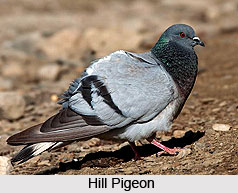
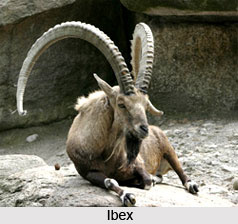 In addition to these species, Karakoram Wildlife Sanctuary is the abode of Chiru or Tibetan antelope, Tibetan gazalle, Himalayan ibex, Shapo, bharal, wild yak, Snow leopard, lynx, wolf, red fox, Himalayan mouse hare, Himalayan marmot, common otter, wooly hare etc. The avi fauna of this sanctuary includes Gadwall, Tufted Duck or Tufted Pilchard, Goosander or Merganser, Short-teed Eagle, Booted Eagle, Golden Eagle, Lemmargeir or Boarded vultures, Himalayan Griffon Vulture, Himalayan Snow Cock, Charur, Grey plover, lapwing, little Gull, Hill Pigeon, Blue Rock Pigeon, Haepee Lark or Bifurcated Lark and small Skylark. Though the sanctuary has a huge variation in faunas, the flora part also displays a wide range as there are the different biotypes in the vegetation area and is categorised on the basis of dominant species and factors like altitude and habitat.
The riverine vegetation of this sanctuary is bifurcated as Natural Riverine Vegetation and Artificial Vegetation. The Natural Riverine Vegetation includes broad-leaved shrubs, viz, the Rosia webbiana, Ephedra, Caragianae and numerous bushes. This type of vegetation is virtually restricted to the main riverbeds. The Artificial Vegetation consists of Salix spp. and populous eupheretica including Juglans regia and Prunus armanica.
The Karakoram Wildlife Sanctuary is noted for the surrounding beauty that pervades the entire area with the stunning existence of the rare species of flora and fauna.