
Ratri is the Night Deity and is often known as Ratridevi. She is said to originate from Lord Brahma.
The Hindu mythology affirms that Ratri, the nocturnal goddess and is the sister to Ushas, the Vedic goddess of Dawn.
Ratri possesses the conventional attributes of the Hindu Gods including extraordinary strength, long life, resistance to injury and several supernatural powers.
Ratri is one of the prehistoric Vedic Gods who existed before the Hindu Pantheon. The epitome of darkness, she and her sister, Ushas, the dawn-goddess, were often pursued by Surya, the sun god.
Ratri was also believed as the protector of law and order in the universe and the waves of time. She is generally a gentle entity who offers rest and renewed vigor and who was also invoked to ensure safety through hours of darkness. Ratri put down the gift of morning dew as well as the harbinger of a bleaker aspect of one who brings gloom and barrenness.
Ratri was relegated to a new position as goddess of love replacing Lakshmi-Sri, the wife of Vishnu.
A mythical story relating Ratridevi is that, an Indian rebel called the Mahdi, seeking to destroy the British army, prayed to the Hindu gods, demanding the power to fight the British. In a vision, Yama, god of the dead, Ratri goddess of night, Agni god of fire, Maya goddess of dreams, and Kali granted Mahdi powers and weapons to fight the British. From Yama, Mahdi gained a fiery sword, from Ratri the power of the night`s shadows, from Agni sacrificial flame, from Maya the power to drive his enemies to despair with illusions, and from Kali the wheel of destruction. Mahdi then used these powers in battle, only to discover too late that he had offended the gods by trying to order them around. Mahdi`s weapons were only illusions, and he died in battle.
Ratri
Ratri is described as the Night Deity, one of the forms of Brahma.
Recently updated articles in Religion in India
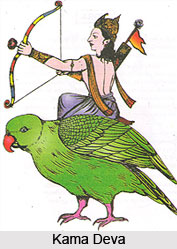
Kusumayudha
Kusumayudha is a name of Kamadeva, the Hindu God of Love. Depicted with a sugarcane bow and flower-tipped arrows, he represents attraction and longing...
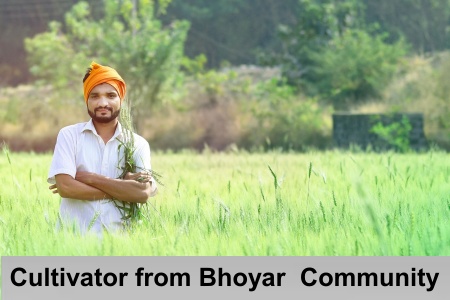
Bhoyar Caste
Bhoyar Caste is largely found in the Central Provinces of the country. Traditional occupation of Bhoyars is agriculture. They are good cultivators and...
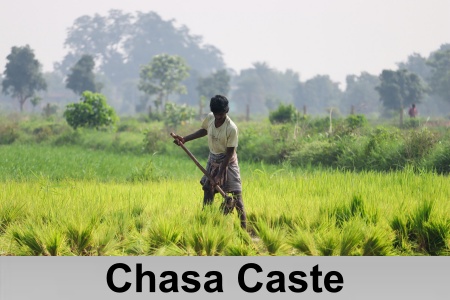
Chasa Caste
Chasa caste is a prominent agrarian community native to Odisha. Traditionally associated with cultivation and farming, Chasas have historically played...
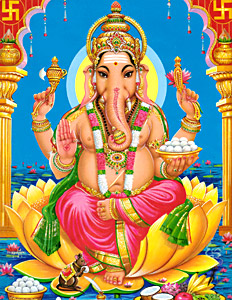
Vigneswara, A Form of Lord Ganesha
Lord Vigneswara is another form of Lord Ganesha or Vinayaka, prominently worshipped as the God of intelligence and good luck in the Indian subcontinen...
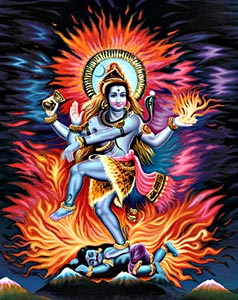
Maheswara
Maheswara, meaning “the Great Lord,” is a revered name of Lord Shiva in Hindu tradition. It represents Shiva’s supreme authority over creation, preser...
Related articles in Religion in India
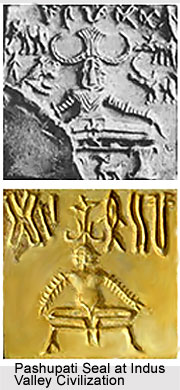
Religion in Indus Valley Civilization
Religion in Indus Valley Civilisation included Hinduism, Buddhism and Jainism. Details about the religion in Indus Valley Civilization have been gathe...
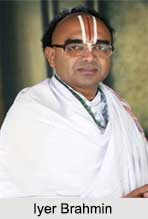
Iyer Brahmin
Iyer Brahmins are originally from Tamil Nadu of South India. They are known for their adherence to Advaita philosophy and Smarta traditions. Tradition...
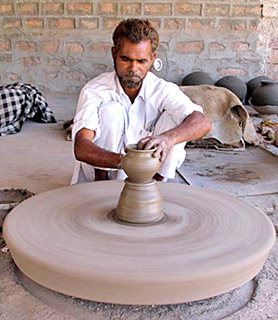
Kumbhakar / Kumhar Caste
Kumbhakar or Kumhar caste is a traditional artisan community in India known for pottery making. Derived from Sanskrit word Kumbhakar, meaning potter,...

Gujjars in Mughal Era
Gujjars in the Mughal era enjoyed great power. Further their power increased with the decline of Aurangzeb, Mughal emperor.
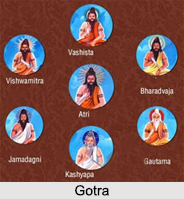
Gotra in Hinduism
In Hinduism, gotra refers to a lineage system tracing descent from ancient sages, primarily through the paternal line. Originating from Vedic traditio...