
Vertigo or Bhrama
Vertigo or giddiness is a condition in which a person loses the power of balancing himself.
Introduction
Vertigo or giddiness is a condition in which a person loses the power of balancing himself, and experiences a false sensation as to his own movements or those of surrounding objects. Vertigo can also be called as a specific type of dizziness and is a major symptom of a balance disorder. It is the sensation of spinning or swaying while the body is stationary with respect to the earth or surroundings.
Types of Vertigo or Bhrama
There are three types of vertigo and these can be named as subjective, objective and pseudovertigo. Subjective vertigo is when a person feels a false sensation of movement. Objective vertigo is when the surroundings appear to move past a person`s field of vision. And pseudovertigo is when the patient feels an intensive sensation of rotation inside the head.
The effects of vertigo may be slight. It can cause nausea and vomiting and, if severe, may give rise to difficulty with standing and walking.
Classification of Vertigo or Bhrama reckons either on peripheral or central depending on the location of the dysfunction of the vestibular pathway, although it can also be caused by psychological factors.
The effects of vertigo may be slight. It can cause nausea and vomiting and, if severe, may give rise to difficulty with standing and walking.
Classification of Vertigo or Bhrama reckons either on peripheral or central depending on the location of the dysfunction of the vestibular pathway, although it can also be caused by psychological factors.
Causes and Symptoms of Vertigo
 Some diseases of the ear, which may disturb the balance of the fluids in the inner ear, may be the causes of giddiness. Some disorders of the stomach; defective eyesight; an impaired functioning of the nervous system, especially of the cerebellum or an attack of migraine or a mild attack of epilepsy and diseases of the brain, such as a tumour, are some of the other causes. An important cause of vertigo is impaired circulation of the blood in which the vital fluid does not reach the brain in adequate quantities.
Medicines and Prescriptions for Vertigo
Suvarna Sutashekhara Rasa: 60 mg to be taken twice daily with decoction of ainla.
Duralabha Quath: 50 ml to be taken with 5 ml of ghee twice daily.
Saraswatarishta and Ashwagandharishta: 10 ml each of Saraswatarishta and Ashwagandharishta to be taken twice daily after meals. Ashwagandha can be administered in cases of insomnia associated with vertigo.
Diet and Other Regimen for Vertigo
Maintaining the diet during this period is of crucial importance. The patient should be kept on an easily digestible diet and should avoid smoking, drinking, and all narcotic drugs.
The affected person should live in pleasant surroundings and try to keep free from worry. Regular morning and evening walks, pleasant companionship, and adequate rest are recommended. If there is constipation, 6 gm of amaltas should be administered with decoction of haritild at bedtime.
The affected person should live in pleasant surroundings and try to keep free from worry. Regular morning and evening walks, pleasant companionship, and adequate rest are recommended. If there is constipation, 6 gm of amaltas should be administered with decoction of haritild at bedtime.
Recently updated articles in Naturopathy in India
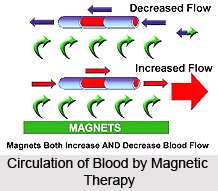
Effect of Magnets on Human Body
Magnets have a stimulating effect on various body systems such as digestive, urinary, respiratory. Magnet has its affect on blood and hence it influen...
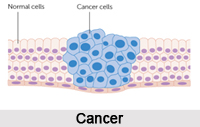
Cancer, Disease
Cancer is a malignant in which a group of cells display uncontrolled growth.
Principles of Massage
Principles of Massage are consisted of proper intricacies and sequence.
Foot Massage
Foot Massage is an extremely healing and effective therapy in Ayurveda, which can eliminate several problems in the entire body.
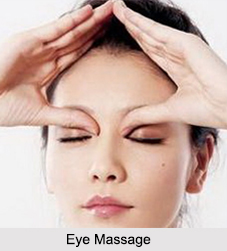
Eye Massage
Eye Massage helps to make the eyes cool and calm making the muscles stronger.
Related articles in Naturopathy in India
Nature Cure Treatments
Nature Cure Treatments comprise the use of natural elements and healthy lifestyle for healing various ailments and staying fit.
Water Therapy
Water therapy is an alternative therapeutic method that cures many diseases.
Magnetized Oils
Magnetized Oils are prepared either on the North Pole or the South Pole.