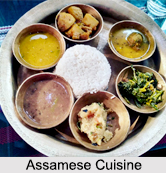
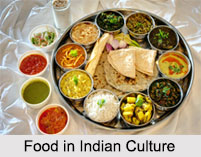
 Food in Indian Culture played a great role in Indian tradition. Food is considered as a pious thing in India. The progress of any civilization banks upon the reformation of the base culture. Food in Indian culture is the reflection of all the historical, ethnic, geographic cultures in India. The most important aspect is the climate of the geographical region. India has a tropical monsoon climate which is conducive for a wide variety of vegetation to grow. Hence India is the native of thousands of plant species, condiments and spices.
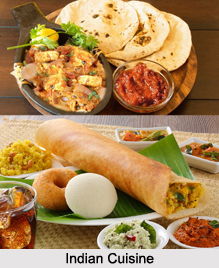
Every culture has been known to have its unique palette when it comes to Indian food. Although numerous religions appear in India, the two cultures which have influenced Indian cooking techniques and food routine are the Hindu and also the Muslim traditions. Indian meals reflect an ideal blend of various cultures and ages. Much like Indian culture, food in India has additionally been influenced by various civilizations. adopted lots of specialties and cooking methods in their cuisine. The Portuguese, the Persians and also the British made important contributions towards the Indian food culture. India is famous for its diverse multi-cuisine platter available in large number of food joints which is signifies of unity in diversity.
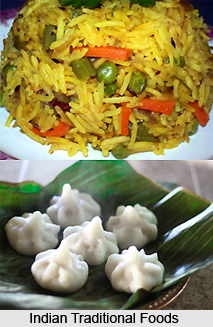 Since ages food in Indian culture has played a great role. Importance of food in Indian culture is immense. Ancient Indians realized that all lives in this world are depended upon food. For this reason we find a whole hymn in praise of food in the Rigveda. They regarded food as the source of all life hence they called it Prajapati or Lord of all creatures. In the Taittiriya Upanishad food is equated with Brahma for it is stated that all beings take birth from food, after being born they subsist on it. In the same work it is stated that one should not deprecate food for it is the vital force and the body is fixed on the vital force. An eater of food becomes great in progeny, cattle, and in the luster of holiness and in glory.