
According to Hindu Panchang (calendar), a Tithi is a lunar day. As in Vedic timekeeping, there are thirty tithis in each lunar month. The Tithi is counted starting from the new moon day and full moon day like Pratipad, Dwitiya, Tritiya etc. and each is repeated twice in a month. Only New Moon day (Amavasya) and Full Moon Day (Purnima) comes once in a month. Tithis begin at varying times of the day and vary in duration from approximately nineteen to twenty-six hours. The Tithis are as follows -
Pratipad: The governing deity of this day is Lord Brahma, who is god of all types of auspicious and religious ceremonies.
Dvitiya: The ruler of this day is Vidhata and the day is good for laying of foundations for buildings and the other things of permanent nature.
Tritiya:Vishnu is the lord of this Tithi and the day is good for cutting of one`s hair and nails and shavings.
Chaturthi :The death god Yama is the ruler of fourth lunar day. The day is favorable for destruction of the enemies, removal of hindrances and acts of battle.
Panchami : The Moon himself rules the Tithi, and is believed that administering medicine, purging of poisons and surgery becomes successful.
Shashthi :Kartikeya is the ruler of this Tithi and this is good for enthronements, meeting new friends, festivities and enjoyment.
Saptami : This Tithi is governed by Indra. One may begin a journey by conveyances and deal with other things of movable nature.
Ashtami : Vasus preside over the day which is good for taking up arms, building defense and fortification.
Navami : Serpent rules this Tithi, which is suitable for killing enemies and act of violence and destruction.
Dashami : The Tithi is ruled by Dharma and is auspicious for acts of virtue, religious functions, spiritual practices and other pious activities.
Ekadasi :Ekadasi has special significance in Hinduism and Jainism and is observed for fasting. Rudra is the ruler of this day. Fasting, devotional activities and remembrance of supreme Lord are done in this Tithi.
Dvadasi : Sun rules the Tithi, which is worthy of religious ceremonies, lightening the sacred fire and performance of one`s duties.
Trayodasi : Cupid is the ruler of this day, which is favorable for making friendship, attaining sensual pleasures and festivities.
Chaturdasi : Goddess Kali presides over this day and the tithi is worthy of administering poison and calling up spirits and elementals.
Amavasya and Purnima : The Vasve -Devas rule the New moon day or Amavasya and suitable for the performance of Austerity.
Tithi
Tithi is a lunar day which repeats throughout the year and each has different significance.
Recently updated articles in Religion in India
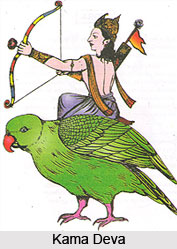
Kusumayudha
Kusumayudha is a name of Kamadeva, the Hindu God of Love. Depicted with a sugarcane bow and flower-tipped arrows, he represents attraction and longing...
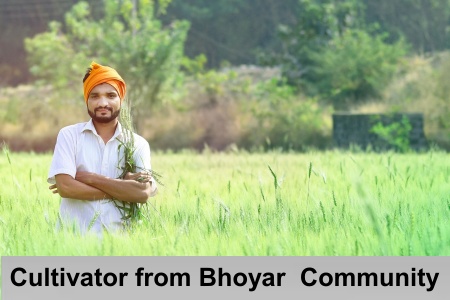
Bhoyar Caste
Bhoyar Caste is largely found in the Central Provinces of the country. Traditional occupation of Bhoyars is agriculture. They are good cultivators and...
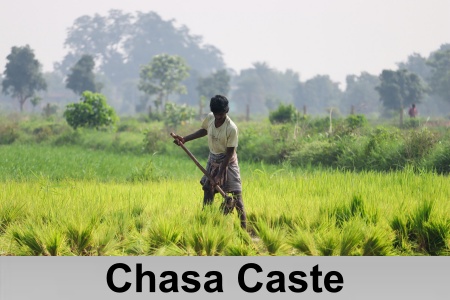
Chasa Caste
Chasa caste is a prominent agrarian community native to Odisha. Traditionally associated with cultivation and farming, Chasas have historically played...
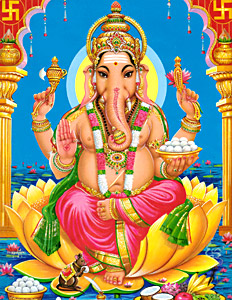
Vigneswara, A Form of Lord Ganesha
Lord Vigneswara is another form of Lord Ganesha or Vinayaka, prominently worshipped as the God of intelligence and good luck in the Indian subcontinen...
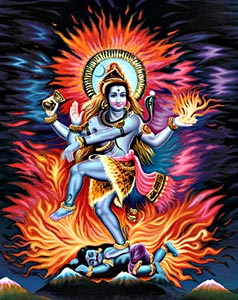
Maheswara
Maheswara, meaning “the Great Lord,” is a revered name of Lord Shiva in Hindu tradition. It represents Shiva’s supreme authority over creation, preser...
Related articles in Religion in India
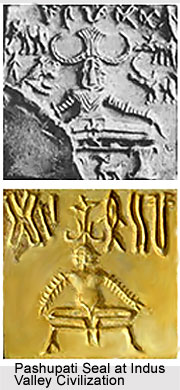
Religion in Indus Valley Civilization
Religion in Indus Valley Civilisation included Hinduism, Buddhism and Jainism. Details about the religion in Indus Valley Civilization have been gathe...
Iyer Brahmin
Iyer Brahmins are originally from Tamil Nadu of South India. They are known for their adherence to Advaita philosophy and Smarta traditions. Tradition...
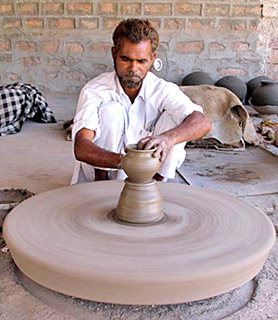
Kumbhakar / Kumhar Caste
Kumbhakar or Kumhar caste is a traditional artisan community in India known for pottery making. Derived from Sanskrit word Kumbhakar, meaning potter,...

Gujjars in Mughal Era
Gujjars in the Mughal era enjoyed great power. Further their power increased with the decline of Aurangzeb, Mughal emperor.
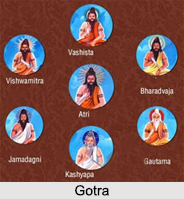
Gotra in Hinduism
In Hinduism, gotra refers to a lineage system tracing descent from ancient sages, primarily through the paternal line. Originating from Vedic traditio...