| Indian Tribal Art |
|
|
|

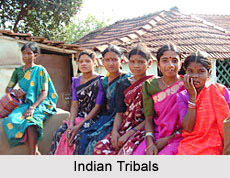
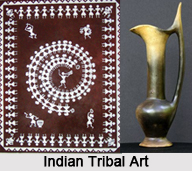
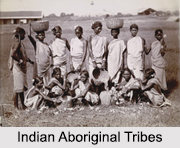
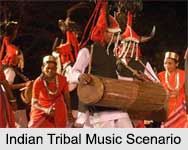
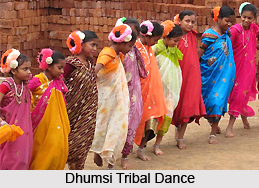
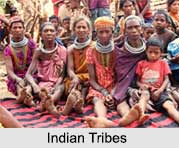
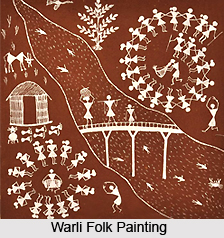
Indian Tribal art, like folk art, has also progressed considerably .Tribal art goes way beyond time in the history of India. The Pre-historic paintings in the cave shelters of Bhimbetka and Pachmarhi are simple designs showing scenes of hunting, farming and dancing against mottled rock.Indian Tribal art generally reflects the creative energy found in rural areas that acts as an undercurrent to the craftsmanship of the tribal people. Indian Tribal art ranges through a wide range of art forms, such as wall paintings, tribal dances, tribal music, and so on.
|
|
| |
| Tribes of Orissa, India |
|
|
|

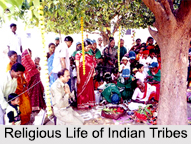
The tribes of Orissa are very much religious minded, widely practicing religion like animism, animalism, nature-worship, fetishism, shamanism, and anthropomorphism. Worship of ancestor too is in vogue among the tribes of Orissa. These tribes of Orissa carry on theses religious practices in order to ensure personal security and happiness. Well being of the whole of the community and also solidarity of the group are duly respected. Some of the famous tribes of Orissa are Shantala, Saura, kandhas, Bhumihar, Goandia, etc.
|
|
| |
| Indian Tribals:; Khasis |
|
|
|

The Khasi, who call themselves `Ki Khasi`, live in two districts of Meghalaya State in India. The Indian tribe Khasi designation for the Khasi Hills section is Ka Ri Khásí and that of the Jaintia Hills section is Ka Ri Synten. Racially, the Khasi tribes are very similar to the Indo-Chinese tribes but are by no means pure Mongoloid. The typical Khasi house is a shell-shaped building with three rooms: the shynghup is a porch for storage; the nengpei is the center room for cooking and sitting ; and the rumpei is the inner room for sleeping .
|
|
| |
|
|
| Tribal jewellery of Andhra Pradesh |
|
|
|
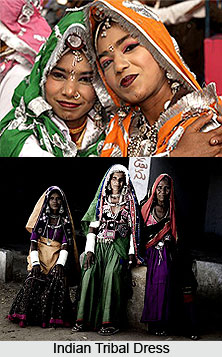
One of the most important metal, which is used bu Indian Tribes are silver.Tribals of Andhra Pradesh also used silver jewellery.. Silver is used in abundance here and all tribal women uses silver jewellery with pride and honour. Some local artists of Papanaidupet in Chittor make some glass bangles and beads in almost all colorful shades. The silver and gold jewellery which are make in this region have some resemblances with the Mughal tradition. Artists usually make gold covered jewellery where silver, brass and copper are made into alloy and superimposed with gold. Some of the common types of jewellery are bangles, hairpins, necklaces, earrings that are commonly used by the tribes here.
|
|
| |
|
|
| Indian Tribes:; Naga |
|
|
|

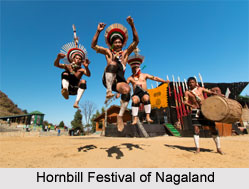
The Naga tribes of India were linked with the tribes in Assam and Myanmar. The Nagas belong to the Indo-Mongoloid family. The fourteen major Indian Naga tribes are the Angami, Ao, Chakhesang, Chang, Khemungan, Konyak, Lotha, Phom, Pochury, Rengma, Sangtam, Sema, Yimchunger and Zeliang. The Nagas are hardworking, sturdy, with a high standard of integrity and a strong sense of self respect. The Angamis are politically the most conscious group. The Zeliang and Pochury tribes in Kohima district are comparatively simple and unsophisticated.
|
|
| |
| Indian Tribe:; Savar |
|
|
|
Amongst the various Indian tribess that throng several districts and provinces of Bihar state of India, Savar has truly gained a place of prominence amongst the Indian tribes.These Savar tribes have settled down here after migrating from some other place within the subcontinent of India. As far as the language of these Savar tribes is concerned, most of these Savar tribes speak converse with other using the tongue that has a belonging to Mundari group.
|
|
| |
|