
Tripura, a land known for its rich heritage of culture and artwork, boasts a diverse range of traditional costumes that reflect the artistic fervor and weaving talent of its people. The costumes of Tripura are distinct from those of other North-East Indian states, with unique patterns and designs that set them apart. With skilled weavers and a deep-rooted tradition of craftsmanship, Tripura’s traditional attire showcases the region’s cultural identity and historical significance.
Traditional Dresses of Tripura
Traditional Dresses of Tripura have their own traditional ethnicity. The traditional costumes of Tripura, such as Risa, Rignai, and Rikutu Gamcha, reflect the unique cultural heritage of the state. Skilled weavers create exquisite fabrics with intricate designs and motifs inspired by nature and tribal traditions.
Introduction
Evolution of Traditional Dresses of Tripura
Tripura, a landlocked state in Northeast India, is home to a mosaic of communities, predominantly the Tribal and Bengali populations. Over the years, the state has experienced profound cultural and heritage transformations. Since the partition of India, significant demographic and ethnographic shifts have posed major challenges to the tribal communities, reshaping their traditional practices and ways of life. Among the most notable changes has been the evolution of Tripuri and Reang costumes, an aspect deeply tied to identity and heritage. These traditional attires have endured historical pressures that questioned both personal and collective identity, further influenced by the tides of westernization and modernization.
The traditional attire of Tripuri and Reang women shares both name and draping style. The Risha or Risa covers the upper abdomen, while the rignai is worn around the lower abdomen. While Tripuri women typically wear garments featuring red and white hues, Reang women favor a palette of black and white. The distinctive colors and motifs woven into these garments serve as visual markers of tribal identity. Since India’s partition, Tripura’s political, social, cultural, and economic landscape, have transformed dramatically. Amidst these changes, the state’s diverse heritage has continued to evolve, shaped by ongoing cross-cultural influences.
Traditional Dresses of Tripuri Women
The women of Tripura, particularly those from tribes such as the Khakloo, Halam, Lushei, and Kuki-Chin, excel in the art of weaving and diligently preserve their traditional costumes. The traditional dress of the Khakloo tribe, which shares similarities with other fellow tribes, is characterized by a plain dressing style suitable for the hilly climate and regular work. Infants typically have no traditional dress and often wear traditional wraps, except during winter and the rainy season when suitable garments are used. As children grow older, they often wear a borok ethnic wraps.
The traditional attire for women consists of two main garments, namely the Rinai or Rignai and the Risa. The Rinai is a larger cloth that is draped around the waist and reaches the knee, providing coverage and protection. The Risa, a shorter piece of cloth, is worn as an upper garment, passing under the arms and concealing the chest region. The Risa is often adorned with beautiful embroideries, while the Rinai showcases different patterns and designs specific to each clan. Rinai chamathwibar is the most significant Tripuri rinai. It is known as the mother of all rinais, as all the other rignais have evolved from rinai chamathwibar.
However, in modern times, younger girls prioritize blouses over Risa for their convenience, although wearing Risa during weddings remains mandatory for some clans. Women also use head-dresses while working outside. Tripuri women also wear Rikutu, a plain cloth of a different colour and shade than the other items of clothing. Today, the Rikutu is woven by Tripuri women.
The Lushei tribe, however, exhibits a more modest approach
to finery in their costumes, with every woman donning a dark blue cotton fabric
as a skirt or petticoat. This cloth is held firmly by a corset made of brass
wire or string. The Rinai-like cloth, reaching down to the knees, is
complemented by a short white jacket, further enhancing their sobriety and
grace. Other traditional dresses worn by Tripuri women are Pachra, Puanchei, Kamchwlwi
Borok, etc.
Rinai / Rignai
The Rinai stands as one of the most iconic symbols of Tripuri cultural identity, a handwoven garment that beautifully encapsulates the artistry, heritage, and spirit of Tripura’s tribal women. Deeply rooted in tradition, the Rinai is more than just attire; it is a living canvas of history, craftsmanship, and community pride.
Traditionally woven on indigenous looms, the Rinai showcases the exceptional skill of Tripuri artisans. Each piece carries intricate patterns, such as stripes, checks, and geometric motifs that narrate tales of ancestry, nature, and belief. The designs are often unique to particular clans or regions, serving as a subtle yet powerful expression of cultural belonging.
Crafted primarily from eco-friendly cotton, the Rinai offers both comfort and sustainability. For ceremonial occasions, silk threads are sometimes interwoven, adding a lustrous finish that elevates its visual appeal. The color palette is dominated by bold shades of red, black, green, and yellow, reflects the vibrancy of Tripura’s landscape and traditions. Worn as a wraparound skirt secured with a belt or tucked gracefully at the waist, the Rignai is typically paired with a Risa, a complementary upper garment.
Silver and beaded jewelry such as necklaces, earrings, and bangles are often accompany the attire, enhancing its ethnic elegance. Beyond its aesthetic charm, the Rinai embodies the values of unity, pride, and continuity, passed lovingly from one generation to the next.
Today, modern interpretations of the Rinai have introduced
lighter fabrics and fusion styles that cater to contemporary fashion
sensibilities. Yet, even in these new forms, the essence of the Rinai endures, celebrating
the timeless beauty and enduring heritage of the Tripuri people.
Risa / Risha
The Risa holds a place of deep cultural importance in Tripuri tradition, representing far more than just a piece of fabric. As an integral part of a woman’s attire, it perfectly complements the Rignai, together forming the traditional ensemble that embodies grace, identity, and heritage. Whether draped across the shoulders, tied around the head, or styled as a blouse-like garment, the Risa reflects both aesthetic elegance and cultural depth.
Handwoven with precision from fine cotton, the Risa showcases the remarkable craftsmanship of Tripuri weavers. Its designs often mirror or harmonize with the patterns of the Rignai, featuring bold stripes, geometric motifs, and striking color contrasts. Bright shades of red, yellow, and green dominate its palette, symbolizing vitality and connection to the land, while neutral tones add balance and refinement.
Beyond its visual appeal, the Risa carries profound cultural and ceremonial meaning. While it remains a part of everyday wear for many tribal women, the Risa, when paired with Rinai transforms into a statement of grandeur during festivals such as Garia Puja, weddings, and traditional dance performances where it serves as a mark of respect, purity, and pride. Women also use it during rites of passage, reinforcing its association with continuity and womanhood in Tripuri culture.
The Risa’s versatility extends into modern fashion as well.
Contemporary adaptations reimagine it as stoles, scarves, or stylish
accessories, bringing Tripuri artistry to new audiences while preserving its
traditional essence. Paired with tribal jewelry such as silver necklaces,
bangles, and earrings, the Risa continues to stand as a proud symbol of
Tripura’s cultural identity.
Rikutu
The Rikutu is a traditional garment worn by Tripuri women,
serving as an essential piece for modesty, style, and cultural identity.
Primarily designed to cover the upper part of the body, the Rikutu is versatile
in its draping, with different methods suited to various occasions, seasons,
and personal preferences.
One common style involves wrapping the Rikutu around the entire body, providing warmth during the colder months. Another method resembles a chunri, where it is folded over the chest, covering the bosom, with both ends draped over the shoulders and falling to the back. A third style involves wrapping it from the waist upwards, passing under the armpit in an anti-clockwise direction, covering the chest, and letting it hang over the left shoulder, similar to the pallu of an Indian saree, which is believed to have been influenced by the traditional Rignai and Rikutu. Newly married women often use the Rikutu to cover their heads as a symbol of modesty and marital status.
Historically, Rikutus were available in only a few colors. Today, they are woven to complement the Rignai, creating a seamless and harmonious ensemble. In many instances, the continuity of the Rikutu with the Rignai is so perfect that it can be difficult to distinguish whether a woman is wearing a Rignai or a sari.
During colder months, it functions as a warm shawl,
providing comfort and protection against the chill. On special occasions, the Rikutu
doubles as a Chandua, adding a ceremonial touch to the attire. Additionally, it
is often draped over the head, particularly by newly married women, symbolizing
respect, modesty, and marital status. In all its uses, the Rikutu seamlessly
blends functionality with cultural significance.
Pachra
The Pachra is one of the most cherished traditional garments
of Tripura, embodying the elegance, artistry, and cultural pride of Tripuri
women. Worn as a wrap-around skirt, it is an essential part of daily attire
while also taking on ceremonial significance during festivals, weddings, and
religious celebrations. Beyond its visual beauty, the Pachra stands as a symbol
of femininity, tradition, and the enduring spirit of Tripura’s tribal heritage.
Handwoven from fine cotton threads, and occasionally blended with silk for festive occasions, the Pachra reflects generations of skilled craftsmanship. Its lightweight texture makes it ideal for Tripura’s warm, tropical climate, while its vibrant geometric motifs and tribal designs narrate cultural stories that have been passed down through the ages. The patterns are more than decorative, they express identity, social belonging, and reverence for tradition.
The color palette of the Pachra is both striking and symbolic, featuring bold shades of red, black, and green, harmonized with earthy or neutral tones. Each color and motif carries meaning, making every piece distinct and deeply personal. Traditionally paired with a Risa or a matching blouse, the Pachra is often accessorized with silver or beaded jewelry that enhances its traditional charm.
Woven by women artisans on traditional looms, the making of
the Pachra is a labor of love and heritage preservation. The process emphasizes
sustainability through the use of natural dyes and organic fibers, ensuring
that the craft remains eco-conscious while staying true to its roots. More than
a garment, the Pachra is a living tradition. Its continued presence in both
rural and urban wardrobes reflects its adaptability and timeless appeal.
Puanchei
The Puanchei is one of the most vibrant and celebrated
garments in Tripura’s cultural heritage, worn by Tripuri women during festive
and ceremonial occasions. Distinguished by its vivid colors and intricate
embroidery, the Puanchei embodies the spirit of joy, beauty, and artistic
excellence. It holds a special place in traditional dances and cultural
performances, where its flowing patterns and dynamic hues enhance the grace and
rhythm of each movement.
Meticulously handwoven from fine cotton and often adorned with silk threads, the Puanchei showcases the exceptional craftsmanship of Tripuri artisans. The color palette is rich and lively, featuring dominant shades of red, green, and yellow, with touches of gold or white that add an elegant contrast. Worn as a wrap-around skirt and paired with a blouse or Risa, the Puanchei completes the traditional attire of Tripuri women during weddings, community gatherings, and festive celebrations. The garment is often complemented with silver or beaded jewelry such as bangles, earrings, and necklaces that accentuate its cultural allure.
Beyond its aesthetic appeal, the Puanchei is a symbol of festivity, pride, and feminine grace. It reflects the cultural vitality of the Tripuri people and serves as a medium through which tradition is both preserved and celebrated. Each Puanchei carries with it stories of heritage, craftsmanship, and collective identity passed down through generations.
In recent years, modern adaptations have brought the
Puanchei into contemporary fashion, transforming it into stylish skirts and
dresses that appeal to younger generations. Yet, even in these new forms, the
Puanchei continues to radiate the same cultural elegance and joyous spirit that
have made it a timeless emblem of Tripura’s rich artistic tradition.
Chador
The Chador is a graceful and multifunctional garment deeply rooted in the cultural traditions of Tripura. Worn by Tripuri women as both a practical wrap and a statement of heritage, it embodies elegance, modesty, and adaptability. Its flowing fabric and beautifully woven designs make it a staple in everyday wear as well as in ceremonial and festive settings, symbolizing the enduring charm of Tripuri womanhood.
Traditionally handwoven from lightweight cotton, the Chador offers both comfort and breathability, ideal for Tripura’s tropical climate. The artistry of local weavers comes alive in its diverse patterns, which range from simple stripes to intricate tribal motifs that tell stories of nature, community, and spirituality. Earthy and neutral tones dominate its color palette, though brighter hues often appear during celebrations, adding a festive vibrancy to its subtle elegance.
The versatility of the Chador is one of its defining qualities. It can be draped over the shoulders, wrapped around the body, or worn as a headscarf, depending on the occasion and personal preference. Whether used in daily life or during religious and cultural gatherings, it reflects both practicality and poise. When paired with traditional silver jewelry or tribal ornaments, the Chador transforms into a striking expression of cultural pride.
Each Chador is a product of meticulous craftsmanship, woven on traditional handlooms by skilled artisans who uphold generations-old weaving techniques. Made using organic cotton and natural dyes, it also reflects the Tripuri community’s sustainable approach to fashion and deep respect for the environment. Over time, the Chador has seamlessly adapted to modern sensibilities, reimagined as stylish stoles and scarves that appeal to younger generations.
Adornments and Jewelry
The women of Tripura accentuate their attire with various
indigenous ornaments, including silver chains with coins, silver bangles, and bronze
ear and nose rings. They also adorn themselves with flowers, adding a touch of
natural elegance to their appearance. The neck area of women are often adorned
with strands of beads and coins, creating a vibrant and alluring display of
tradition and beauty.
During festive and celebratory occasions, women’s costumes take on an extra element of grandeur. Dance performances, in particular, witness the addition of a dignified headgear, featuring a coronal made of brass and colored cane, adorned with porcupine quills. The tips of these quills are decorated with tufts of contrasting red wool and studded with green feathers from parrot wings, creating a visual spectacle that embodies the joy and mirth of these festive moments.
Traditional Dresses of Tripuri Men
The traditional dresses for men in Tripura comprises a
towel-like sheet of loin cloth called Rikutu Gamcha, which is worn along with a
self-woven shirt known as Kubai. To combat the scorching heat of the sun while
working outdoors, men often resort to wearing a pagri, or turban, as a
practical measure. Kamchwlwi Borok is another popular tribal attire that is not
specific to men. This is worn by both men and women for comfort and
functionality. Tripuri men also wear a wrap-around attire called Leepa.
Generally made of cotton, it is worn both as a daily wear and during festivals.
Men also wear Rabung, a traditional wrap-around cloth that holds deep cultural
value. However, the influence of Western culture is evident among the younger
generation, as they often prefer to wear shirts, pants, and other modern styles
of clothing.
Rikutu Gamcha
The Rikutu Gamcha is an essential element of men’s
traditional attire in Tripura, symbolizing both practicality and cultural
pride. Lightweight and breathable, this handwoven cloth has long been a part of
daily life, offering comfort in the region’s warm and humid climate. Yet,
beyond its functional use, the Rikutu Gamcha stands as a quiet emblem of the
Tripuri people’s humility, resilience, and deep connection to their heritage.
Crafted primarily from soft, eco-friendly cotton, the Rikutu Gamcha exemplifies the region’s skilled handloom traditions. Its patterns are typically simple with geometric stripes or checks rendered in earthy tones like white, beige, and light blue, reflecting the understated elegance of Tripura’s cultural landscape. For festive or ceremonial occasions, brighter hues are sometimes introduced, adding a touch of vibrancy to its otherwise modest aesthetic.
Versatile in use, the Rikutu Gamcha can be draped over the shoulder, tied around the waist, or used as a head or body wrap, depending on the situation. Tripuri men wear it during work, community gatherings, and religious ceremonies, where it serves as both a practical garment and a cultural symbol.
Each Rikutu Gamcha is woven on traditional looms by local artisans who preserve the centuries-old weaving methods passed down through generations. Its creation represents sustainability and respect for the environment, values deeply ingrained in tribal life.
More than just a piece of fabric, the Rikutu Gamcha embodies
the hardworking spirit and enduring simplicity of Tripura’s men. Even today, it
remains a cultural mainstay, equally relevant in traditional ceremonies and
modern daily life, continuing to represent the timeless identity and
craftsmanship of the Tripuri community.
Kamchwlwi Borok
The Kamchwlwi Borok stands as a timeless symbol of Tripura’s cultural unity, a traditional unisex garment that bridges generations and communities across the state. With roots tracing back centuries, it has remained a cornerstone of tribal attire, valued for its elegance, simplicity, and versatility. Whether worn during religious ceremonies, festive gatherings, or as part of everyday dress, the Kamchwlwi Borok reflects the deep spiritual and cultural identity of the Tripuri people.
Handwoven from soft, breathable cotton, and occasionally enhanced with silk for special occasions, the garment embodies the artistry and skill of local weavers. Its minimalist designs, often featuring subtle stripes or bordered patterns, create an understated yet refined aesthetic that captures the essence of traditional Tripuri craftsmanship. The color palette tends to favor neutral shades such as white, beige, and grey, complemented at times by brighter accents that lend a festive touch.
The Kamchwlwi Borok’s adaptability is one of its defining traits. It can be draped and secured in various styles depending on gender, occasion, or personal preference, making it equally practical and symbolic. Paired with traditional ornaments or simple footwear, it completes the look for cultural events while maintaining comfort and grace.
Beyond its appearance, the Kamchwlwi Borok carries profound
meaning. It serves as a representation of unity among Tripura’s diverse tribes,
a shared garment that transcends social boundaries and reinforces collective
identity. Each piece is handwoven using traditional looms and natural fibers,
underscoring the community’s sustainable and environmentally conscious approach
to clothing. Even today, contemporary versions of the Kamchwlwi Borok continue
to evolve, featuring modern cuts and patterns that appeal to younger
generations.
Leepa
The Leepa is a traditional men’s garment that exemplifies the simplicity, functionality, and cultural pride of Tripura’s tribal heritage. Worn as a wrap-around lower garment, similar to a sarong, it is an everyday essential for Tripuri men while also holding a special place in religious and festive occasions. Its unassuming design reflects the practicality of rural life while preserving the essence of Tripura’s time-honored traditions.
Handwoven from soft, breathable cotton, the Leepa showcases the understated elegance of indigenous craftsmanship. Typically featuring minimalistic designs such as fine stripes or solid colors, it balances comfort with cultural expression. The muted tones of beige, white, and brown are most common, though brighter shades occasionally appear during ceremonies or festivals, adding a celebratory touch to this otherwise modest attire.
The Leepa is worn by wrapping it around the waist and securing it with a knot, offering ease of movement and ventilation in Tripura’s tropical climate. It pairs seamlessly with a simple shirt or is worn bare-chested during daily activities, reflecting the traditional lifestyle of the Tripuri people.
Each Leepa is carefully woven by local artisans on traditional handlooms, continuing a craft that has been passed down through generations. This weaving tradition not only sustains local livelihoods but also celebrates the enduring connection between culture and craftsmanship.
More than a garment, the Leepa represents humility, adaptability, and the cultural identity of Tripura’s men. While its design remains largely unchanged, modern variations have introduced lightweight fabrics and creative reinterpretations, sometimes even used as scarves or casual wraps, bringing this traditional piece into contemporary fashion.
Rabung
The Rabung is a traditional wrap-around cloth worn by Tripuri men, celebrated for its simplicity, comfort, and cultural significance. Balancing practicality with heritage, it serves as both everyday wear and ceremonial attire, reflecting the understated elegance of Tripura’s tribal fashion.
Handwoven from soft, breathable cotton, the Rabung is designed for ease of movement and comfort in the region’s tropical climate. Its patterns are modest and functional, often featuring stripes or checks, which convey the humility and grounded nature of the wearer. Typically, it is paired with a plain upper garment or worn bare-chested during rituals, reinforcing its role as an essential element of Tripuri men’s traditional attire.
The color palette of the Rabung leans toward muted shades like white, beige, and light brown, occasionally highlighted with darker accents for festive or ceremonial versions. Draped around the waist and secured with a simple knot, it embodies a minimalist aesthetic that prioritizes functionality while remaining deeply rooted in cultural identity.
Crafted meticulously by local artisans on traditional handlooms, the Rabung reflects the rich textile heritage of Tripura. Its creation uses organic cotton and natural dyes, highlighting the community’s sustainable approach to clothing. Beyond daily practicality, it symbolizes the resourcefulness, humility, and enduring traditions of Tripuri men.
In contemporary times, the Rabung has found new expressions
as casual wraps or scarves, bridging traditional artistry with modern fashion.
Despite these adaptations, it remains a timeless emblem of Tripura’s cultural
identity.
Kamchi
The Kamchi is a traditional headgear worn by Tripuri men,
valued for both its practicality and cultural symbolism. Typically fashioned
from light cotton or linen, it is a simple cloth tied around the head to shield
against the tropical sun—an essential accessory for farmers and laborers
engaged in outdoor work. Beyond its functional use, the Kamchi carries deep
cultural meaning, often worn during festivals, ceremonies, and tribal rituals.
In many communities, the colours and patterns of the Kamchi signify tribal identity or social status, with some featuring subtle stripes or geometric motifs along the borders. Generally crafted in white or neutral shades, the Kamchi complements the vivid hues of other traditional garments such as the Kamchwlwi Borok, creating a harmonious balance in attire.
Serving as both a symbol of heritage and a mark of everyday
practicality, the Kamchi remains an integral element of men’s traditional dress
in Tripura. Its regional variations reflect the diversity and pride embedded
within Tripuri culture, where each tribe adds its own distinctive touch to this
timeless headgear.
Diversity in Traditional Dresses of Tripura
The traditional dresses of Tripura exhibit a striking difference from those of other northeastern Indian states in terms of pattern and design. This frontier hilly state, known for its skilled weavers, prides itself on preserving its indigenous art forms. The local tribes, including the Khakloo, Halam, Lushei, and Kuki-Chin tribes, excel in the art of weaving, which is evident in their diligently crafted traditional.
The Khakloo tribe, along with other tribes of Tripura, embraces a plain dressing style suitable for the hilly climate and regular work. The daily work attire for adult males consists of a towel-like sheet of loin cloth called Rikutu Gamcha, paired with a self-woven shirt known as Kubai. To combat the blazing sun, men often don a turban or pagri. However, the younger generation has also been influenced by Western fashion, opting for shirts, pants, and other modern styles.
Preserving the Heritage of Costumes
The simplicity and attractiveness of Tripura`s traditional costumes can be attributed to the artistic fervor and weaving talent of its people. The costumes not only serve as a cultural symbol but also represent the region`s deep-rooted connection with its rich heritage. While modern influences have seeped into the younger generation`s clothing choices, the people of Tripura remain proud of their traditional costumes and actively work towards preserving and celebrating their unique cultural identity.
Recently updated articles in Costumes in India
Costumes of Union Territories of India
Costumes of the Union Territories are as different as their culture. These eight union territories are equally vibrant in their dressing as compared t...
Costumes of Delhi
Costumes of Delhi embody the rich cultural heritage of the city while showcasing a unique fusion of traditional elements and modern trends. From the p...
Traditional Dresses of Odisha
Traditional Dresses of Odisha reflects the unique culture of the state. Odisha has an ancient culture and popular for classical dance. It is also home...
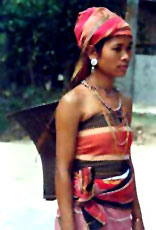
Traditional Dresses of Tripura
Traditional Dresses of Tripura have their own traditional ethnicity. The traditional costumes of Tripura, such as Risa, Rignai, and Rikutu Gamcha, ref...
Traditional Dresses of Dadra and Nagar Haveli
The traditional dresses of Dadra and Nagar Haveli reflect the region’s tribal heritage. Women often wear saris, chaniyas (skirts) with blouses, or dra...
Related articles in Costumes in India
Traditional Dresses of Manipur
Traditional Dresses of Manipur are simple and easy to wear. The patterns and designs on the costumes are very unique and colourful. Manipuris are sett...
Costumes of Punjab
Costumes of Punjab breathe vibrancy. Tradition marks the dress of the women:; colourful Salwar Kameez while Kurta-Pyjama or Lungi is worn by men.
Traditional Dresses of Jharkhand
Traditional Dresses of Jharkhand embody the simplicity and elegance of its inhabitants. From the one-piece Bhagwan worn by men to the sarees and Tussa...
Costumes of Andaman and Nicobar Islands
The costumes of Andaman and Nicobar Islands showcase a fascinating blend of indigenous tribal traditions and influences from modern settlers. While th...
Costumes of Lakshadweep
Costumes of Lakshadweep reflect a blend of tradition and cultural identity. Women typically wear the Kachi with a Thattam and embroidered jacket, whil...