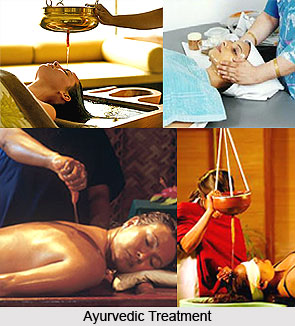
 Shodhana therapy in Ayurveda is also defined as the various procedures of eradicating diseases from the normal system of the body. It is actually considered as the second means of Ayurveda through which illness of the body is being treated. Shodhana literally means "to go away". In this specific form of treatment also known as Panchakarma, the basis or the root cause of the disease is eradicated. The shodhana therapy rids the body of Aama and malas and completely restores balance to the doshas. In simple terms, it can be said that it basically pulls the weeds out by its roots. Shodhana therapy is considered as superior to shamana therapy because it not only removes the symptoms of disease but it also eliminates their root cause.
In Ayurveda, it is defined that all disease processes point to a crisis of Aama toxicity in the body. In other terms it is also called as purification therapy. It is called so because it reverses the disease mechanisms which carry toxic waste products from the digestive tract in to the several tissues of the body. In Ayurveda, it is said that there is a simple elegance to the approach and effectiveness of Panchakarma as shodhana therapy. It takes advantage of the naturally occurring cycles of doshic migration and utilizes the active phases of each dosha to draw dosha specific `Aama` out of the dhatus and eliminate it from the body. In this way, Shodhana Chikitsa differs from every other form of treatment and it includes all other modes of detoxification and purification.
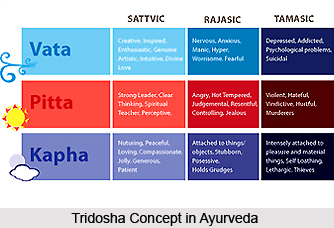
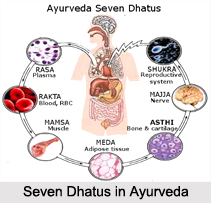
In Shodhana therapy, doshas provide the vital connection between the gastrointestinal tract and the dhatus or the deep internal structures of the body. In case of the doshas, they are neither retained nor eliminated and they have the unique capability to travel throughout the body. They also transport the nutritive substances from the gastrointestinal tract to the tissues and organs and they carry unsuitable or damaging substances away from the dhatus and back to the gastrointestinal tract for elimination. Shodhana therapy emphasizes on the fact that doshas have the capacity to convey aama to the tissues as well as conduct it out of the tissues for disposal. As per the theoretical understanding of shodhana therapy, it is actually defined as cleansing therapy.
When the body is free of toxins, the mind is at peace, emotions are balanced, wastes are properly vented out and the organs are carrying out their normal function, the condition is known as health. Our busy and stressful day-to-day existence causes the accumulation of toxins in the cells and tissues and hampers the balance of the doshas. This in turn weakens our immune system and paves the way for diseases. Such conditions if left unattended may gradually degenerate the body. So it is necessary to eliminate the toxins from the body. Depending on the disease, its extent, patient`s age, body structure and such other factors, the elimination procedure may vary from person to person and even in a single person.
The Ayurvedic treatment procedures are of two types, namely shamana and shodhana. Shamana is a milder treatment applicable for minor ailments or mild imbalance of the doshas. For shamana, follow up measures is a must otherwise there is ample chance of the recurrence of the imbalance of the doshas. Shodhana is a harsher treatment but it is more efficient and maintains health for a long period of time. While shamana aims at restoring balance within the body by medication, shodhana is strictly an elimination process. In modern era, we are subject to a lot of health disorders as a result of decreased immunity triggered by different types of pollution like air, land, water pollution. Sometimes internal medicines administered by the process of shamana may not work properly or immediately. In such cases immediate and long-term relief is provided by the elimination therapies, which are collectively called Shodhana.
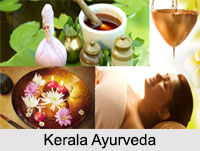
Broadly shodhana consists of five varieties of elimination processes. These are actually the pradhan karmas, and are often loosely termed Panchakarma. Panchakarma (five actions) is a refining and reviving curriculum for the body, mind and consciousness. It is known for its positive effects on general health, wellbeing and self-healing. There are five types of cleansing techniques in this Shodhana therapy, namely vamana, virechana, basti, nasya and rakta mokshana.
Vamana Karma or Emesis Therapy: Recurrent attacks of bronchitis, colds, cough or asthma may be triggered by any blockage in the lungs. Ayurvedic practitioners suggest therapeutic vomiting or vamana, to eliminate the kapha that is the sole cause for the accumulation of the excess mucus within the body.
Virechana or Purgation Therapy: When the body secretes pitta or bile in large amounts due to some hindrance in proper functioning, the same deposits in the gall bladder, liver and small intestine. They find physical expression as rashes, spots, skin inflammation and also cause persistent attacks of fever, vomiting, feeling of nausea and jaundice. In this sick condition, therapeutic purgation or virechana helps to stabilise the bodily activities.
Basti Karma or Enema Therapy: In basti, herbal preparations of sesame oil and the like are made to enter the body through the rectum. It soothes and relieves the body in case of chronic fever, cold, constipation, heart pain, sexual disorders, kidney stones, backache, sciatica and other pains in the joints. Basti also has the potential to cure many other vata disorders like rheumatism, arthritis, gout, muscle spasms and headaches.
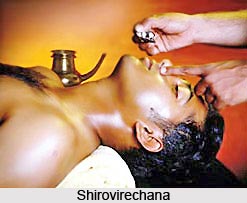
Nasya Karma or Nasal Administration: The administration of medication through the nasal passage is called nasya. A superfluity of bodily humours in the sinus, throat, nose or head areas is cured by nasal administration of medicine or nasya.
Raktamoksha Karma: Toxins that find entry into the blood produce skin disorders. In such cases, internal medication alone is not sufficient, but the purification of blood is necessary. Raktamoksha also helps in curing ailments like enlarged liver, spleen and gout.
Shodhana takes much time but is very effective. Overall benefits of this process include elimination of toxins, increasing digestion and absorption, clearing faeces, restoring dosha balance, augmenting physical flexibility, increasing blood flow and strengthening the immunity. Shodhana chikitsa is a popular mode of treating illness in Ayurveda. In this therapy, the seed of any disease is eliminated and it is actually the particular basis of this therapy.